
### Blog Post:
Fire resistant home siding is now crucial for anyone living in wildfire-prone regions—and not just for rural mountain cabins. Wildfires don’t check ZIP codes and the risk is rising, putting nearly 2.6 million homes at moderate to very high risk in the U.S. in 2024. In this guide, you’ll see how durable siding choices can sharply cut your wildfire risk while comparing what really works, where others fail, and how to minimize unintended headaches in the process.
Key Takeaways
- Upgrading to fire resistant siding is a proactive way to boost wildfire resilience—studies have shown up to 75% loss reduction with home hardening tactics.
- There’s no such thing as truly “fireproof” siding, but non-combustible materials like fiber cement, metal, and stucco vastly outperform traditional wood or vinyl in real wildfire scenarios.
- Choosing and installing the best fire resistant siding requires balancing cost, aesthetics, local code, and realistic expectations about maintenance and insurance impact.
- What Is Fire Resistant Home Siding and Why Does It Matter?
- How to Choose and Install Fire Resistant Home Siding: Step-by-Step
- Advanced Analysis & Common Pitfalls
- Conclusion
- Frequently Asked Questions
What Is Fire Resistant Home Siding and Why Does It Matter?
Fire resistant home siding refers to exterior wall cladding materials engineered or treated to resist ignition and slow the spread of flames when exposed to wildfire conditions. Common options include fiber cement, stucco, steel, aluminum, and specially treated engineered wood. These materials are rated for their ability to withstand intense heat and direct flame contact longer than wood or vinyl—giving firefighters and homeowners more time to save property.
The risk is real: According to CAL FIRE, 2024 saw 8,110 wildfires in California alone, damaging or destroying nearly 2,500 structures. The economic threat is huge—CoreLogic’s 2024 Wildfire Risk Report places more than $1.3 trillion of U.S. homes at risk nationwide.
Research following the Paradise, CA disaster showed that a “hardened” home using fire resistant siding and other measures reduced expected loss per property by a remarkable 75% (source).
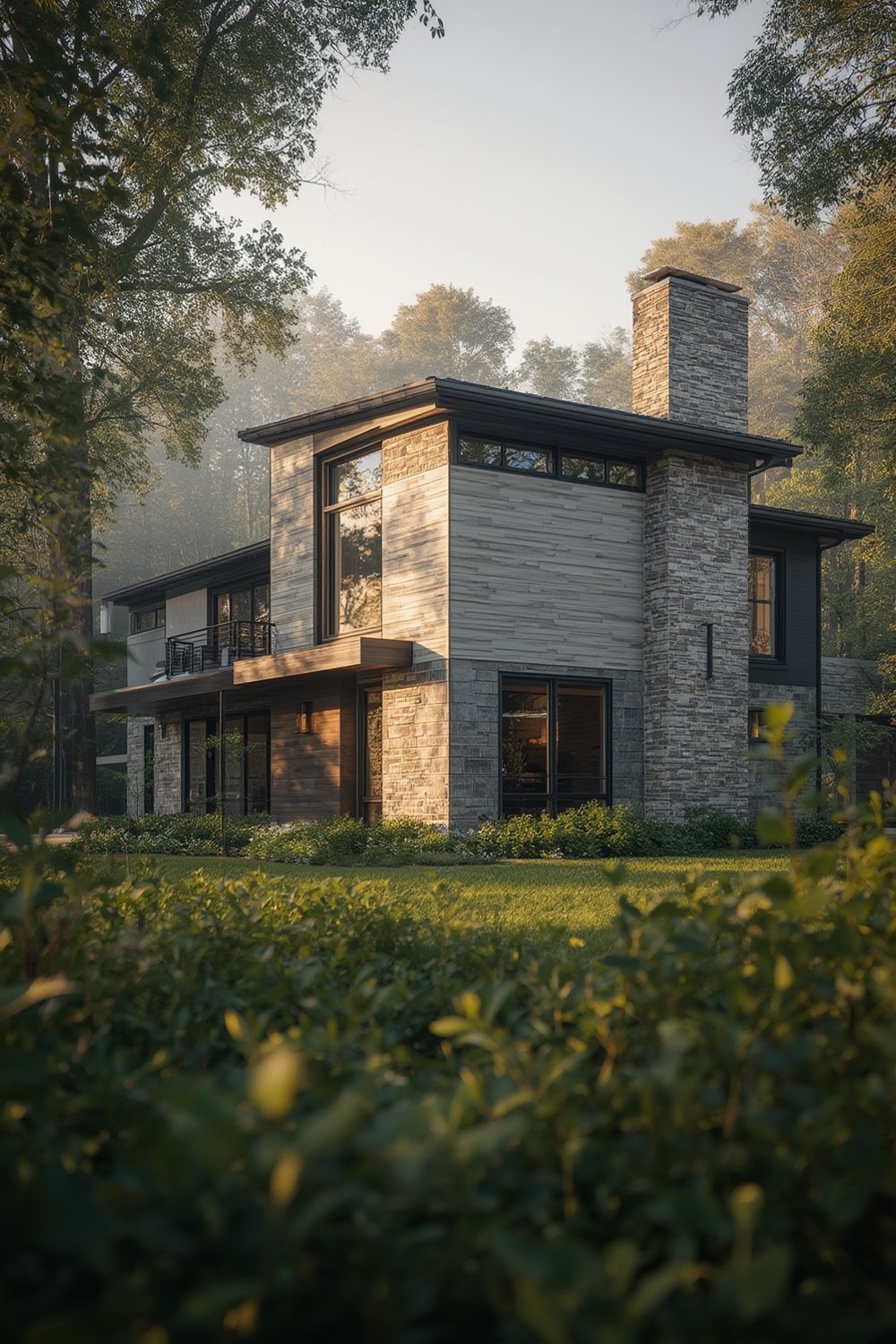
Unlike conventional wood or PVC siding, fire resistant types meet stricter code standards in high-risk areas, provide peace of mind for homeowners, and may also help lower insurance premiums. However, “fire resistant” does not mean fireproof—no siding can guarantee total protection if embers enter attic gaps or windows remain vulnerable. That’s why a balanced, whole-home wildfire defense plan is essential.
How to Choose and Install Fire Resistant Home Siding: Step-by-Step
The upgrade process is a mix of research, planning, budget alignment, and hands-on execution. Here’s a clear guide to get real results.
-
Assess Your Fire Risk and Insurance Requirements.
- Use official wildfire maps and local hazard zones to check your risk profile. This affects which siding options can be permitted.
- Contact your insurance provider to ask which outfitting (fiber cement, stucco, steel, treated wood) could reduce your premium. Check their requirements for discounts.
-
Choose the Right Siding Material.
- Fiber cement: Non-combustible and available in various styles (plank, panel, shingle). High impact resistance. Minimal upkeep.
- Stucco: Thick cement-based coating over wire lath. Superior fire resistance with proper installation but requires regular inspection for cracks.
- Steel or Aluminum: Excellent fire resistance and longevity, but prone to denting and more expensive up front.
- Treated engineered wood: Treated with fire-retardant chemicals. More natural look, but long-term fire resistance can vary by brand and maintenance.
Research local code for minimum fire rating required (e.g., Class A, non-combustible). Check manufacturer test data and installation requirements—which may supersede standard best practices.
-
Set a Realistic Budget.
- Gather current quotes—costs in 2024 vary, but expect fiber cement and stucco to run between $8-$14 per square foot installed, while steel often exceeds $15 per square foot. Engineered wood tends to be lower but may offer less lasting protection.
- Factor in potential removal/disposal of old siding, labor for proper flashing and weatherproofing, and any code-required inspections.
Tip: Some states and counties offer wildfire hardening rebates or grant programs. Insurance companies may reduce premiums if you can show documented upgrades.
-
Secure Qualified Installation.
- Choose an installer familiar with fire-rated detailing and approved by your siding manufacturer.
- Remind them to caulk/flash every joint—missing these details can render fire resistant materials ineffective in a real wildfire.
-
Integrate Other Defenses.
- Pair siding with ignition-resistant trim, ember proof vents, and Class A roofing. These upgrades work best together as communities learned after the Camp Fire in Paradise.
- Keep the first 5 feet clear of combustibles—no wood chip mulch or dry hedges near walls.
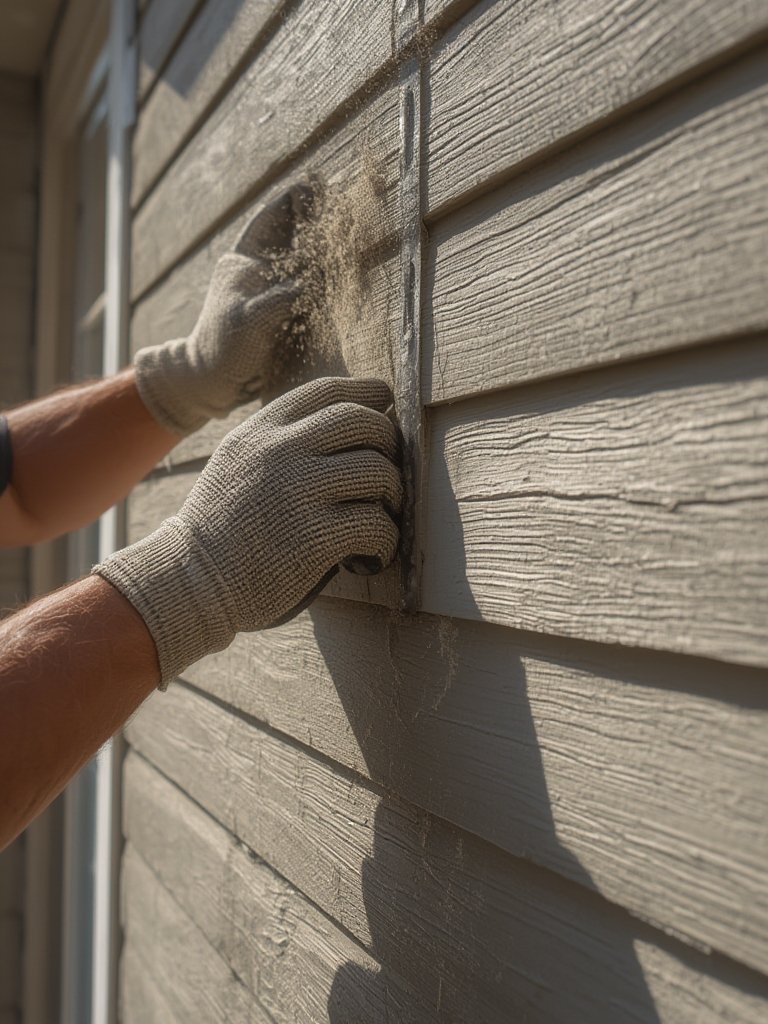
If you’re new to home maintenance, routine inspections are essential. Look for cracks, gaps, or flaking finishes annually, especially after a hot or windy season.
To dig deeper into specialized wildfire defense topics, visit our guides on wildfire resistant roofing, ember proof vents, and defensible space landscaping strategies. You can combine these insights for robust protection.
Advanced Analysis & Common Pitfalls
Despite all the marketing, no fire resistant home siding is truly “fireproof.” Here’s what the data and real-world experience reveal about possible downsides, common user complaints, and overlooked challenges.
- Maintenance Surprises: Some engineered wood and even fiber cement types need periodic caulking and paint/touch-ups to maintain their fire rating. Skipped maintenance can let embers reach the house frame.
- Cost vs. Real-World Performance: Premium steel or next-generation ceramic panels cost more, but DIY installation (done wrong) can erase both the code benefit and the insurance incentives.
- Aesthetic Limitations: Fiber cement and steel are less customizable and may not satisfy strict HOA or historical guidelines, limiting your choices in some neighborhoods. Stucco offers more design options but can crack in cold climates.
- Code and Permit Gaps: Local codes may lag behind wildfire science. Siding meeting minimum codes may not provide the ideal protection—always check for the most current “wildfire urban interface” requirements.
- Insurance Gray Areas: Few U.S. insurers offer explicit premium reductions for specific siding types, though mitigation generally lowers risk profiles. Always get this in writing before undertaking a major siding upgrade.
- Regional Climate Fit: Some materials perform better in dry climates (stucco, steel), while others fare better with heavy rain or freeze-thaw cycles (fiber cement, treated wood).
- Unproven Advancements: New ceramic panels or “next-gen” treated wood may look impressive in advertising, but long-term independent wildfire data is still limited as of 2024.
| Material | Combustibility | Durability | Maintenance Needs | Cost (2024, per sq.ft.) |
|---|---|---|---|---|
| Fiber Cement | Non-combustible | High (30+ years) | Paint every 8-15 yrs | $8-$14 |
| Steel | Non-combustible | Very High (40+ years) | Minimal (rare repaint) | $15+ |
| Stucco | Non-combustible | High (30+ years) | Check for cracks yearly | $8-$14 |
| Engineered Wood (Treated) | Combustible, Retardant-Treated | Medium | Regular treatment/sealant | $7-$12 |
Explore our building code resource for wildfire zones for the latest local requirements and legal standards.
Most importantly, remember that even the best siding can fail if embers find attic gaps or deck boards catch fire. For maximum resilience, incorporate our complete home hardening checklist and reinforce all building envelope weak points.
Conclusion
Fire resistant home siding cannot guarantee your home will survive a wildfire—but it drastically increases your odds, reduces insurance headaches, and boosts resale value in at-risk regions. With a balanced plan that includes smart material selection, code-smart installation, and ongoing upkeep, your home stands a much stronger chance against severe wildfire seasons. Take action today and talk to local pros about upgrading to fire resistant home siding and related wildfire resilience measures for peace of mind.
Need help with fire-resistant upgrades? Contact our team today to request a consultation.
Frequently Asked Questions
What is the best fire resistant home siding for wildfire protection?
Fiber cement, steel, aluminum, and traditional stucco are the top non-combustible options. Fiber cement and steel deliver the best mix of appearance, price, and proven real-world performance. Always check local codes before selecting.
Can I get an insurance discount for installing fire resistant siding?
Possibly. Some insurers offer reduced premiums as part of an overall wildfire mitigation package—especially in high-risk Western states. Always confirm requirements with your insurance agent and get documentation before upgrading.
How much does fire resistant home siding cost?
In 2024, installed prices range from $8-$14 per square foot for fiber cement or stucco, and $15 or more for steel. Engineered wood is typically less but may not provide as much wildfire protection. Always request multiple quotes and ask about available incentives or rebates for wildfire hardening.
Is fire resistant siding maintenance-free?
No. While materials like fiber cement and steel require less upkeep than wood, all fire resistant siding types need at least annual inspection, gap sealing, and occasional repainting to maintain their protective value.
Does fire resistant siding work without other wildfire defense measures?
Not fully. Siding is most effective when combined with fire-resistant roofing, vent protection, and maintaining defensible space around the home perimeter. Comprehensive “home hardening” is essential for reliable wildfire defense.
—