

Smart leak detection system technology is rapidly changing how homeowners and businesses guard against water damage. As water leaks continue to cause huge financial losses each year, a reliable solution is no longer just nice to have—it is essential.
Key Takeaways
- Smart leak detection systems can reduce water detection time by up to 80% and lower water consumption by 25%.
- Integration with existing plumbing and smart home devices poses real challenges, especially regarding compatibility and security.
- Most brands lack clear information on long-term costs, maintenance, and insurance incentives.
- Understanding Smart Leak Detection: What and Why
- How To Install and Use a Smart Leak Detection System
- Advanced Analysis and Common Pitfalls
- Conclusion
- Frequently Asked Questions
Understanding Smart Leak Detection: What and Why
Smart leak detection systems are networks of sensors that monitor water flow, temperature, and humidity in real-time. These sensors connect via WiFi to send alerts and, in advanced models, automatically shut off the water supply if a leak is detected. The technology aims to minimize water waste, reduce utility bills, and prevent structural damage due to undetected leaks. According to recent industry research, the smart leak detector market reached a value of USD 1.45 billion in 2024, driven largely by concerns about water conservation and aging infrastructure (source).
Traditional leak detection—often reliant on visual inspection or manual meters—misses small leaks until they cause major damage. Smart systems with sensors and AI have improved leak detection time by up to 80%, and buildings using these systems report up to 25% reductions in water use (source). With US infrastructure losing 2.1 trillion gallons annually due to pipe degradation (source), early intervention provided by smart systems is more critical than ever.

How To Install and Use a Smart Leak Detection System
Setting up a smart leak detection system is increasingly straightforward, especially with wireless options. Here is a realistic, actionable installation process that covers both DIY and professional routes.
- Choose the Right System: Look for a solution compatible with your plumbing and smart home platforms. Read third-party reviews, and compare the sensor sensitivity (top models detect as little as 0.03 liters/second) and power options (battery versus mains).
- Assess Your Plumbing and Leak Risks: Identify high-risk areas—under sinks, basement pipes, water heaters, washing machine connections, and toilets. Retrofit compatibility is key for older homes, so double-check manufacturer guidance for installation requirements.
- Order the Device and Prepare Tools: For DIY, basic tools—like pipe wrenches, screwdrivers, and potentially a smartphone—are usually needed. Wireless kits may require less work than those which must be hardwired.
- Install Sensors and Shutoff Valve: Follow the manufacturer’s step-by-step instructions. Wireless sensors usually just need to be placed in risky areas, while automatic shutoff valves may require plumbing disassembly. Remember, the water supply to your house must be off during valve installation.
- Connect to WiFi and Set Up the App: Download the required app, create an account, and follow prompts to add devices. Use any internal documentation, such as How to Link Smart Home Systems, for integration help.
- Test System and Calibrate: Intentionally trigger the sensors (with a damp cloth or a few water drops) to verify alerts and shutoff action. Set notification preferences so everyone in your household receives alerts.
- Ongoing Maintenance: Schedule monthly checks for batteries and sensor locations, and keep the app/software updated. Regularly review manufacturer guidance by referring to Routine Smart Home Maintenance Checklist for updates or recalls.
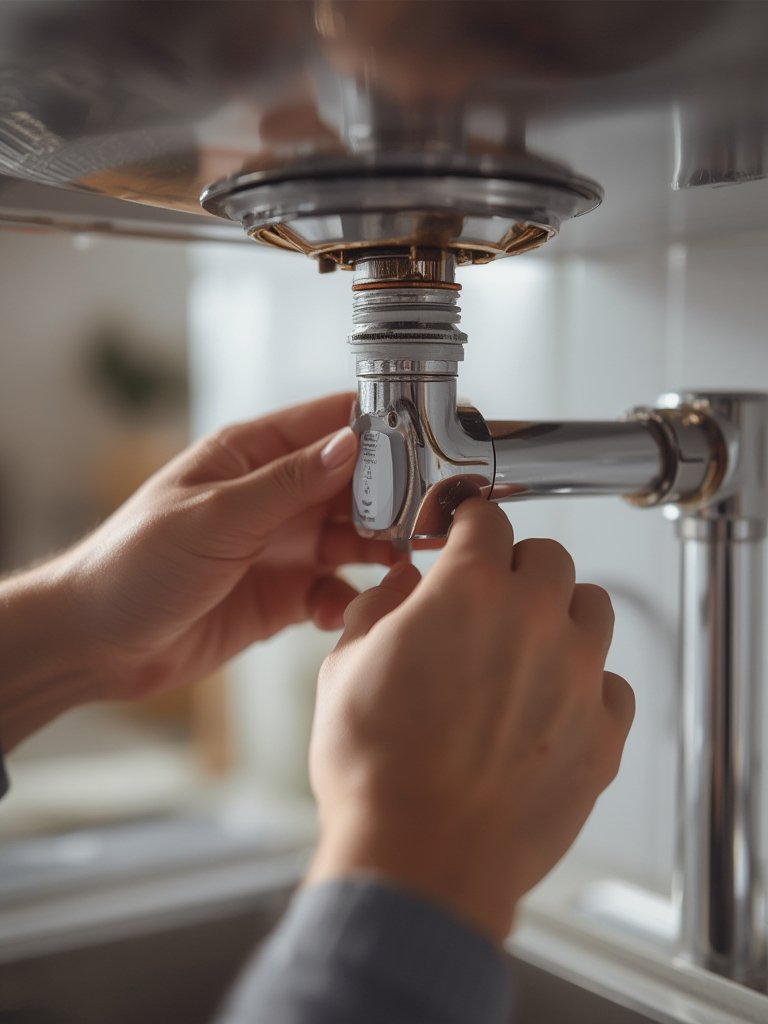
While many users choose professional installation for whole home systems, advances in wireless technology over the past three years have made DIY setups a practical option—especially in new construction or properties with modern plumbing. If your home is older, confirm compatibility with existing plumbing and consider using a licensed installer to avoid leaks or voiding warranties. For in-depth comparison, check out our Smart Sensors vs. Traditional Water Detectors guide.
Advanced Analysis and Common Pitfalls
Despite the benefits, owners frequently encounter real-world constraints with smart leak detection systems. Below, we share a clear breakdown of what goes wrong and where you should focus your research before buying.
Common Pitfalls
- Integration Challenges: Many leading brands advertise “easy integration,” but in reality, compatibility issues with certain smart hubs or automations can arise. Some models lack support for your preferred ecosystem or use outdated WiFi reliability standards.
- Cybersecurity Risks: IoT vulnerabilities can let hackers control your shutoff valve, posing risks to both safety and privacy (source).
- Long-term Maintenance: Battery-powered sensors require regular upkeep—missing a monthly check can result in unmonitored leaks. Little data exists on sensor durability past three years, so expect periodic replacements.
- Retrofit Compatibility: Older homes with irregular pipes may require custom adapters or invasive installation, often overlooked by system manuals. Always consult with a trusted installer and read the Retrofitting Smart Gadgets in Old Homes post before committing.
- True Cost: Most manufacturers do not advertise installation and upkeep costs upfront. In general, expect to pay for the device, installation (which can be DIY or professional), ongoing maintenance (including batteries or software updates), and—sometimes—an annual subscription for advanced app features or cloud reporting.
Comparison Table: DIY vs Professional Installation
| Criteria | DIY | Professional |
|---|---|---|
| Upfront Cost | Lower (device only) | Higher (device + labor) |
| Installation Time | 2-4 hours (potential for troubleshooting) | 1-2 hours |
| Complexity | Moderate to high, especially with shutoff valves | Minimal for user, fully handled by pro |
| Warranty | May void if self-installed incorrectly | Usually preserved |
| Support | Manufacturer hotline or forums | Direct technical support and future servicing |
Many new systems come with basic integration guides, but you may still need help for multi-zone homes or complex automations. For an extended comparison, see DIY vs. Pro Smart Home Installation.

Conclusion
Smart leak detection systems provide crucial, real-time protection against water damage and unnecessary consumption. While installation is easier than ever—with wireless sensors and advanced AI—owners must stay vigilant about maintenance and be aware of integration or retrofit challenges. Our research shows that the smart leak detection system market is growing due to its measurable impact, but users should budget for long-term upkeep and weigh the benefits of DIY versus professional installation. For more insights on smart home upgrades, explore our Best IoT Upgrades for Water Conservation guide. Ready to protect your property? Review your home’s needs, compare leading brands, and take action now.
Frequently Asked Questions
How effective are smart leak detection systems at reducing water damage?
IoT-based smart leak detection systems reduce leak detection time by up to 80% and can lower water consumption by as much as 25%, according to recent industry data. The level of effectiveness depends on sensor placement, maintenance, and system integration.
Do I need professional installation for my smart leak detector?
Many wireless systems are suitable for DIY installation, but if you are retrofitting into an older home or installing an automatic shutoff valve, professional help is recommended for reliability and warranty protection.
Are there ongoing fees with smart leak detection systems?
Some systems have no fees after purchase, while others require subscription fees for advanced app features, cloud storage, or premium support. Check manufacturer details before buying.
Will my insurance provide a discount if I install a smart water leak system?
As of 2024, there is no consistent evidence from major insurers that discounts or incentives are offered for smart leak detection system installations. It is wise to check with your provider, as this could change in the future.
What are the most common issues after installation?
The most reported problems are related to WiFi reliability, battery life, sensor placement errors, and integration with existing smart home platforms.