
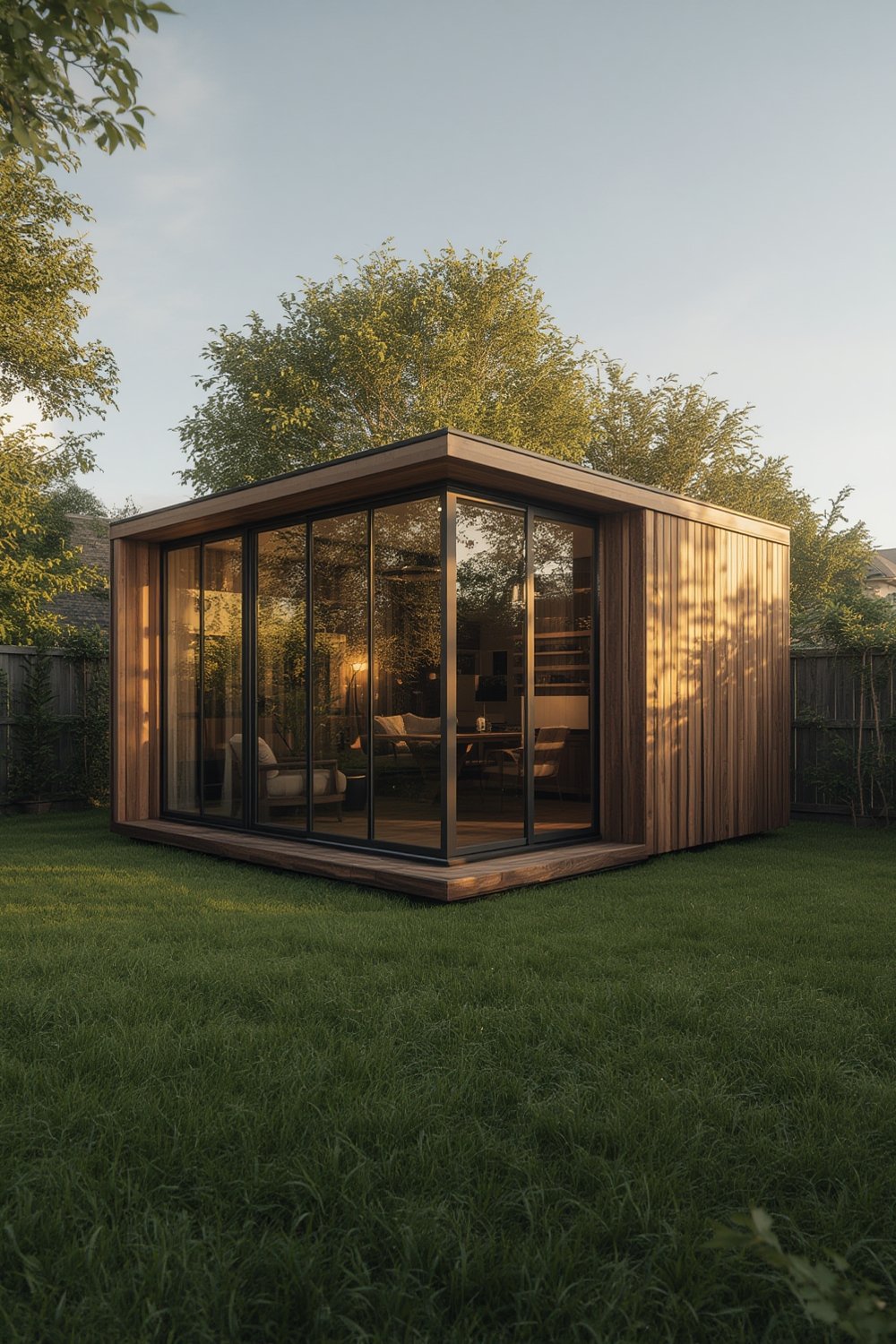
Prefab backyard office pod solutions are transforming how remote professionals work from home, offering a fast, efficient, and dedicated workspace right in your backyard.
Key Takeaways
- Prefab backyard office pods provide customizable, quick-install workspaces for remote professionals.
- Current market trends show strong growth, but users should be aware of installation, insulation, and permit challenges.
- Costs vary widely based on size, materials, and local regulations, so careful planning is essential for a smooth backyard pod project.
- What Is a Prefab Backyard Office Pod and Why Are They So Popular?
- How to Buy and Install a Prefab Backyard Office Pod: Step-by-Step Guide
- Advanced Analysis & Common Pitfalls
- Conclusion
- Frequently Asked Questions
What Is a Prefab Backyard Office Pod and Why Are They So Popular?
A prefab backyard office pod is a factory-built, modular structure designed for fast assembly on your property. These units give remote workers a private, separate workspace without major home renovations. Their quick setup, customization options, and cost savings over traditional construction have driven a boom in demand across the United States.
Recent data shows the global home office pods market is projected to double to over $1.2 billion by 2032. In North America, hybrid and remote work trends are fueling robust growth, especially in suburbs and high-cost metro areas where extra living space is at a premium.
Easy permitting in some regions, improved insulation options, and a strong focus on sustainability have made backyard office pods an attractive choice for both homeowners and real estate investors. Prices typically range from $5,000 to $40,000, depending on size and features, making them more affordable than a home addition or building an ADU.
How to Buy and Install a Prefab Backyard Office Pod: Step-by-Step Guide
Taking your backyard office pod from dream to reality requires a step-by-step approach. Here’s a practical guide based on real-world installer experience and recent market best practices.
- Define Your Needs and Budget: Decide how much space you need, what you will use it for, and how much you can spend. Pods can range from compact one-person offices to larger studio setups. Budget for utilities, furniture, and project overruns—costs typically vary from $5,000 for basic models up to $40,000 for premium, custom-finished pods.
- Research Manufacturers: Compare pod providers like Tuff Shed, Blu Homes, and others. Focus on soundproofing, energy efficiency, and user reviews. For more on energy features, read our energy-efficient backyard offices guide.
- Understand Delivery & Site Preparation: Check if your yard is easily accessible for delivery trucks and cranes. You may need to level ground or install a simple foundation. See our backyard office site prep walkthrough for a full checklist.
- Permits and Paperwork: Contact your city’s planning department about permit requirements. Some municipalities make it easy for small units, while others require full site plans and inspections. Expect additional time (and fees) if utilities will be connected.
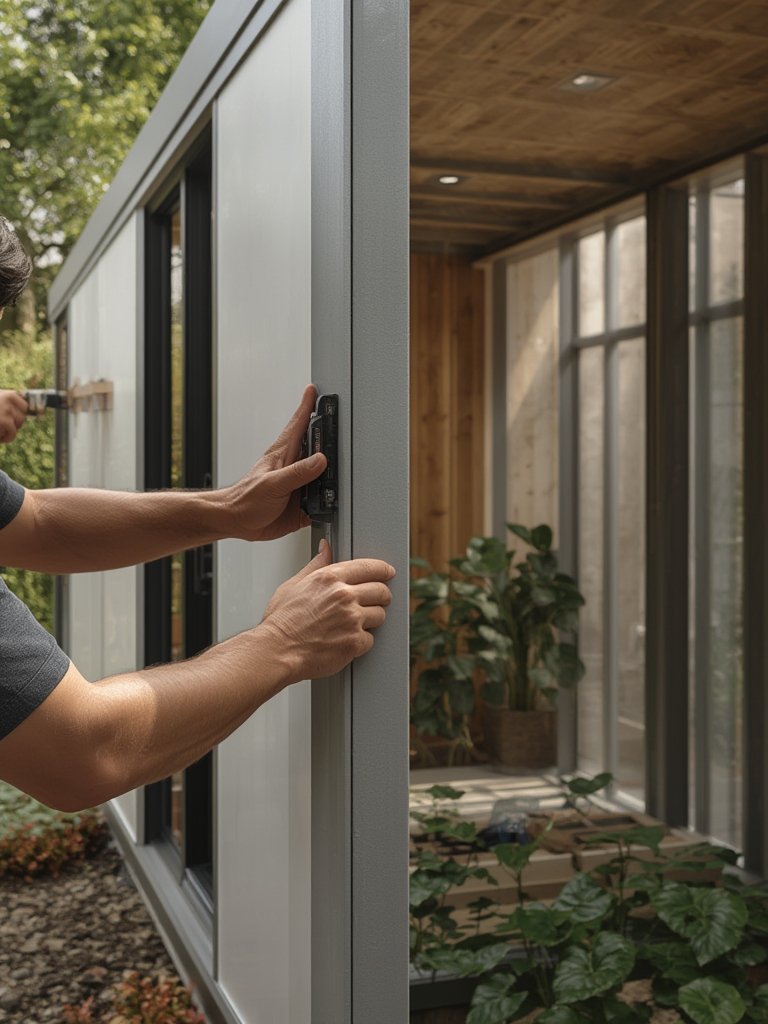
- Order and Schedule Delivery: Place your order and confirm timing with the manufacturer. Most pods ship as kits or pre-assembled boxes. Plan for onsite assembly, which can take a day for simple models or a week for complex ones.
- Installation: Most prefab office pods require basic site work, foundation placement (concrete piers, gravel pad, or slab), and professional installation. Reputable providers handle most tasks, but be ready to manage contractors or DIY elements if you’re going custom.
- Utilities and Finishing Touches: Run electricity, heating/cooling, and internet cables—or choose off-grid/solar options. Insulate walls and add weatherproofing if needed. Finally, outfit your office with lighting, ergonomic furniture, and decor. For creative layout ideas, check out our backyard studio design guide.
- Final Inspection and Move-In: Complete any required city inspections and get the green light for occupancy. Move in your gear and enjoy your new focused workspace.
Not sure which features matter most? Explore our comparison of home office pods and ADUs for more context.
Advanced Analysis & Common Pitfalls
Building or installing a prefab backyard office pod is rarely problem-free. Based on market research, user forums, and firsthand installer reports, here are the most common challenges and how to handle them.
Cost Breakdown: What Are You Really Paying For?
While published pod prices range from $5,000 to $40,000, many buyers underestimate hidden costs. Here’s a realistic breakdown for a typical 120-square-foot prefab pod:
| Item | Low-End | High-End | Notes |
|---|---|---|---|
| Pod kit or shell | $5,000 | $25,000 | Varies by materials and features |
| Site prep & foundation | $1,000 | $5,000 | May require excavation, grading, concrete |
| Delivery | $500 | $2,000 | Depends on location and access |
| Permits & fees | $500 | $3,000 | Higher in large cities or with utilities |
| Electrical & HVAC | $1,000 | $5,000 | Hardwired or solar/off-grid options |
| Labor (if not DIY) | $2,000 | $8,000 | Professional install recommended |
| Total | $10,000 | $48,000 | Many pods fall between $15K and $35K all-in |
Real-World Problems: What Users Complain About
- Insulation and Comfort: Some users report that cheaper pods have poor insulation and weatherproofing, making them uncomfortable in extreme cold or heat. Prioritize high R-value materials or consider a pod designed for your region’s weather.
- Long-Term Durability: Materials and build quality vary. Ensure warranties cover rot, leaks, and major structural defects. Metal and composite pods may last longer than bargain wood options.
- Install Delays: Delays are common due to weather, permit holdups, or schedule backlog with installers. Factor this into your timeline.
- Unexpected Costs: Site complications (uneven land, limited access) can add thousands. Always get itemized quotes before signing.
- Permit Issues: Some cities treat pods like full accessory dwelling units, demanding extensive review. Research your municipality before you commit. Our office pod permits guide explains this in detail.
- Noise and Acoustics: Newer pods offer strong soundproofing, but older or budget models can allow outside noise in. Consider double-pane windows and acoustic insulation if you need a true focus space.
According to recent market analysis, North America leads the office pod growth curve, but US buyers face more regulatory complexity than some European regions.
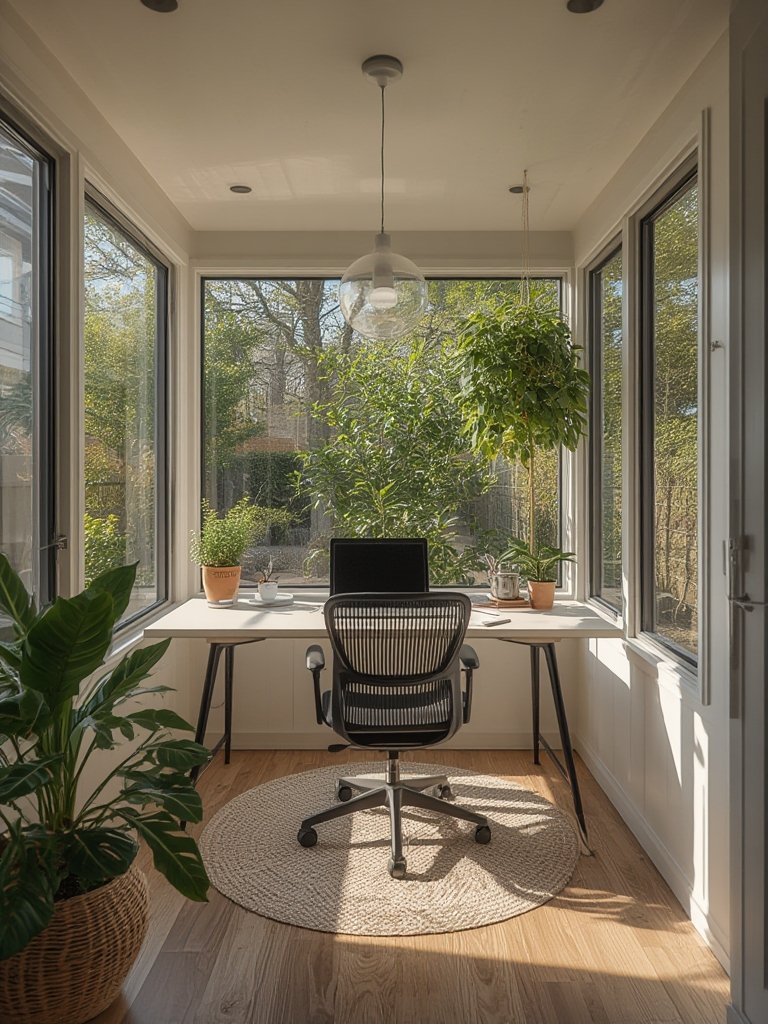
Many manufacturers now emphasize green materials, solar options, smart ventilation, and modular add-ons to boost energy performance. Features like triple-glazed glass, recycled insulation, and rain-screen cladding can improve comfort and lower running costs, even in variable climates. For deeper technical comparisons, see this marketplace analysis.
It’s important to note that there is little public data on how prefab backyard office pods impact home resale value or taxes, so speak to a local realtor and check with your tax assessor before assuming any financial benefit.
Conclusion
Prefab backyard office pods deliver focused workspace, flexibility, and faster installation than traditional construction. They tap into national demand for remote work solutions and represent a practical investment for thousands of US homeowners. By planning for regulations, insulation, and the true cost of delivery and installation, you can avoid common pitfalls and enjoy a productive space for years to come. Investing in a prefab backyard office pod could change your work-life balance—just approach the process with eyes open and always get multiple quotes.
Ready to get started? Explore our in-depth reviews of top prefab backyard offices or request a quote from a trusted local provider today.
Frequently Asked Questions
How much does a prefab backyard office pod really cost?
Most units range from $5,000 for a basic shell up to $40,000 or more for high-end models with electrical, insulation, foundation, and installation included. Budget for permits and site prep too.
Do I need a permit to install a backyard office pod?
This depends on your city and the size of the pod. Many regions allow pods under 120 square feet without permits, but always check with your municipal planning department first for requirements regarding size, placement, and utilities.
Is insulation and weatherproofing effective in these pods?
Newer and premium office pods often use high R-value insulation and advanced weatherproofing. Cheap models may cut corners, leading to comfort or durability issues. Check specs closely before you buy.
Can a prefab pod increase my home’s value or property taxes?
There’s limited market data, but a well-installed pod may boost appeal to remote working buyers. However, it could potentially increase property taxes—ask your county tax assessor for details before installing.
How long does installation really take?
For small, simple pods, onsite assembly may take as little as one day with proper prep. Larger and more complex models (or those requiring full permits and inspections) may take one to three weeks from delivery to occupancy.