

heat pump water heater technology is changing how homeowners in the United States heat their water—offering steep energy savings but also raising many questions about real-world costs, installation, and rebates in 2024.
Key Takeaways
- Heat pump water heaters cost $2,500–$6,000 installed in 2024, about 2–4 times more than standard electric tanks.
- Expect 50–70% lower annual operating costs and up to 30% federal tax credit with ENERGY STAR models.
- Installation may require electrical upgrades and more space than conventional water heaters.
- What Is a Heat Pump Water Heater and Why Upgrade?
- How to Get a Heat Pump Water Heater: Step-by-Step Guide
- Advanced Analysis and Common Pitfalls with Heat Pump Water Heaters
- Conclusion: Is a Heat Pump Water Heater Worth It?
- Frequently Asked Questions
What Is a Heat Pump Water Heater and Why Upgrade?
A heat pump water heater (also called a hybrid water heater) uses electricity to move heat rather than generate it—making it two to four times as efficient as traditional electric water heaters. Instead of creating warmth from a resistive element, the unit pulls ambient heat from the air, transfers it to the water in the tank, and delivers hot water to your taps.
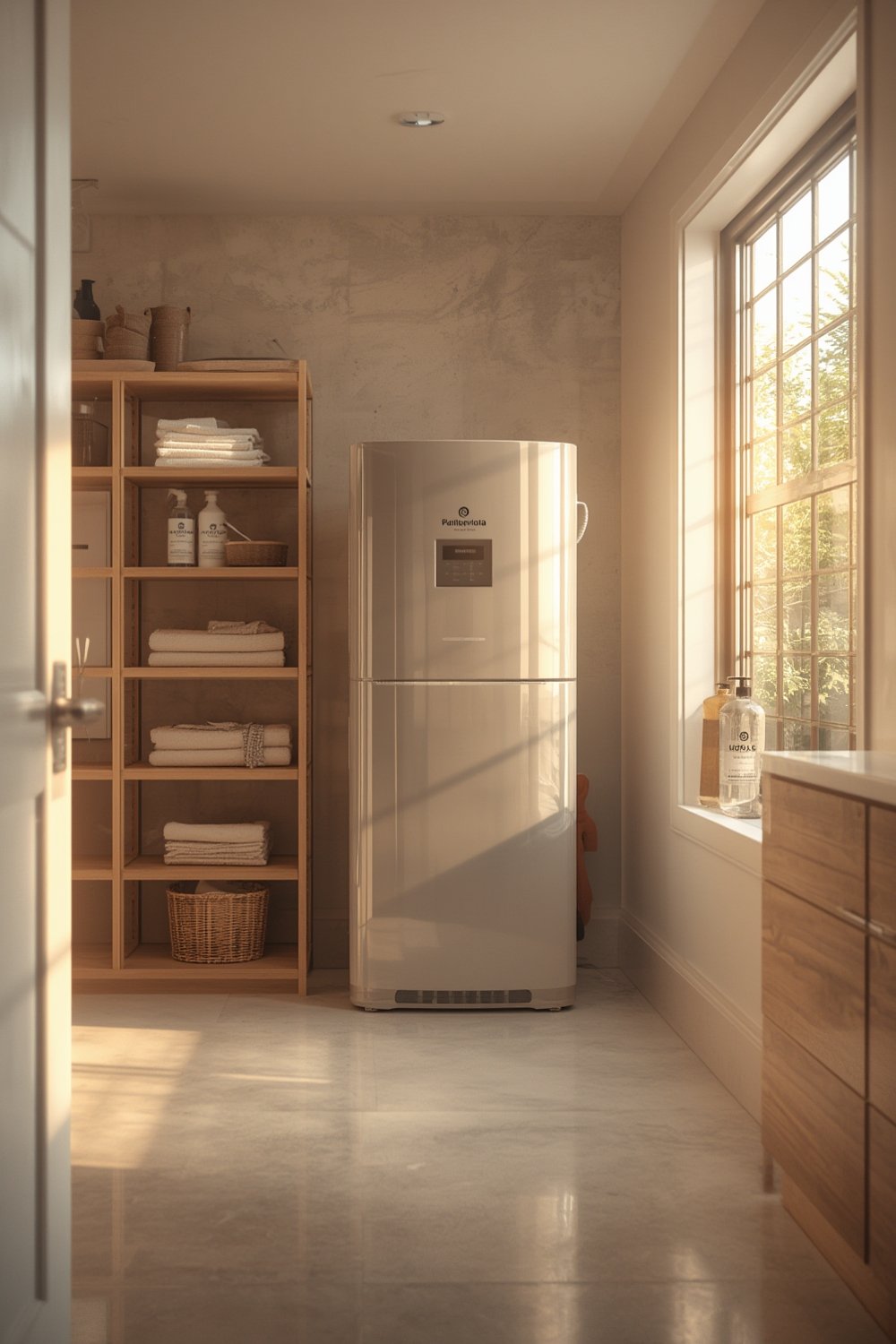
The price for a new heat pump water heater—unit plus professional installation—averages around $3,600 nationally in 2024. This is far more than the $800–$1,800 most homeowners pay for a standard electric tank, but it comes with major utility bill reductions. In many scenarios, you can get back a big chunk of the cost through rebates and tax credits that reward efficiency.
Because heat pump water heaters use far less energy, they are eligible for federal and local incentives—something rarely available for conventional electric or gas tanks. Homeowners looking to make a sustainable switch can find reliable brands like Rheem, A.O. Smith, and Bosch offering ENERGY STAR certified models. These often qualify for the maximum credits under the Inflation Reduction Act.
If you want even more technical details and regional cost breakdowns by city, see the national heat pump water heater cost guide.
How to Get a Heat Pump Water Heater: Step-by-Step Guide
- Assess Your Current Hot Water Setup: Check if your current water heater is electric or gas, and verify the available space. Hybrid heat pump models need more room for airflow and access.
- Verify Electrical Requirements: Most heat pump water heaters need a dedicated 240V circuit. If you only have a standard 120V or outdated wiring, electrical upgrades may cost $700–$2,000 extra.
- Compare Brands and Efficiency: Look for ENERGY STAR models with a Uniform Energy Factor (UEF) over 2.75. Brands like Rheem and A.O. Smith consistently rank highly and provide calculators for annual energy savings.
- Request Local Quotes: Installation costs range widely ($600–$2,000). Get at least three bids from licensed pros who have experience with heat pump units.
- Check Rebates and Credits: Visit your utility’s site and Inflation Reduction Act rebate info to check eligibility. ENERGY STAR certification is usually a must.
- Plan for Permits and Inspections: Permit fees range from $50–$500. Your installer should handle this, but always confirm.
- Schedule the Upgrade: On install day, be ready for possible extra labor if your electrical box or plumbing needs changes.
- Register for Rebates/Tax Credits: File all paperwork promptly to secure your 30% federal tax credit and any local cash-back offers. Most require proof of ENERGY STAR purchase and professional installation.
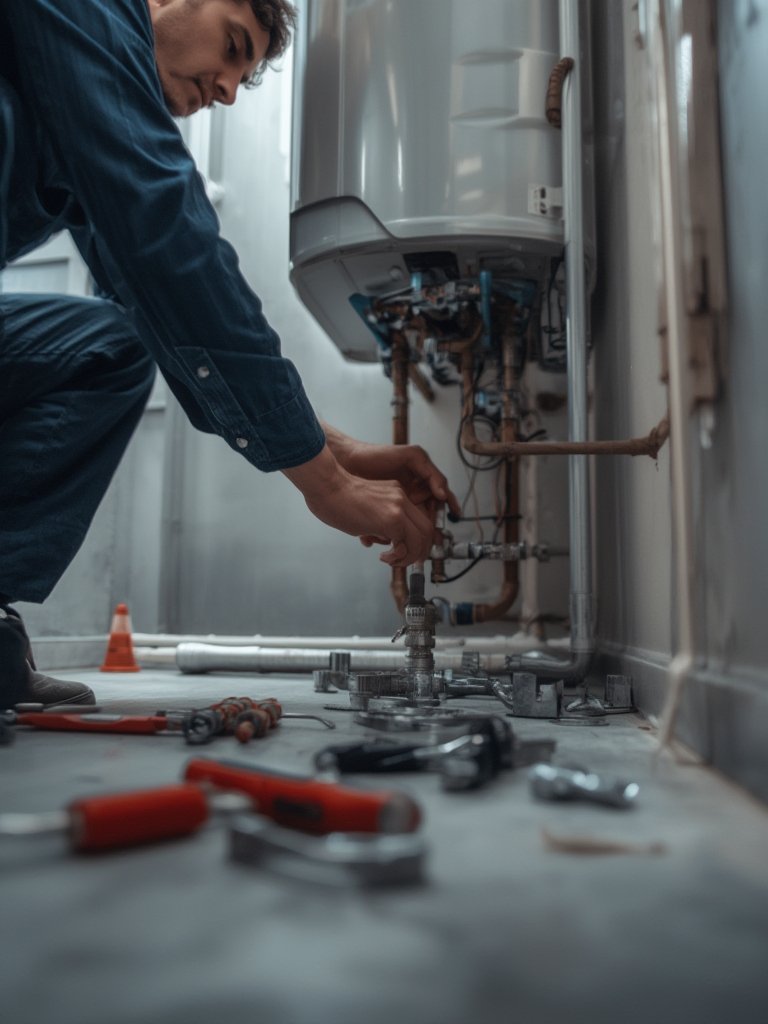
Want to see how a heat pump water heater compares to other systems, like tankless or solar? Explore our detailed energy efficient water heater options guide for a broader cost and savings breakdown.
Some cities and home energy upgrade programs will even help cover permitting and paperwork. For a comprehensive view, visit our home energy upgrade checklist.
Advanced Analysis and Common Pitfalls with Heat Pump Water Heaters
Switching to a heat pump water heater can provide big savings, but it’s not always simple or cheap upfront. Below we break down the most common real-world issues and show a comparison with standard electric water heaters.
| Type | Installed Cost | Annual Operating Cost | Energy Efficiency (UEF) | Federal Rebate |
|---|---|---|---|---|
| Heat Pump (Hybrid) | $2,500–$6,000 | $90–$190 | 2.75–3.5 | Yes (up to 30%) |
| Standard Electric | $800–$1,800 | $230–$550 | 0.93–1.0 | No |
Common Pitfalls and Challenges
- Upfront Cost Shock: The installation price for a heat pump water heater is 2–4 times higher than a standard electric tank. Even with rebates, you’ll pay at least $1,500 more out of pocket at first. See the full water heater installation cost breakdown for what’s included.
- Electrical Upgrades Can Add Thousands: Not every home has the required 240V circuit. If you need electrical work, expect $700–$2,000 in additional cost, or even higher for gas-to-electric switchover. Learn more at Rewiring America.
- Space Needs and noise from the compressor: Heat pump models need significant airflow and vertical clearance—often more than a traditional tank. Homeowners with small utility closets or basements may have difficulty fitting the unit. Noise from the compressor is also a concern if placed near bedrooms.
- Local Incentive Gaps: Some rebate programs run out mid-year or have strict requirements that surprise applicants—always verify before purchase.
- Lack of User Reviews: There’s a shortage of long-term reliability data for many brands and models. Manufacturer warranties are often your only safety net; check them closely as part of your buying process.
If you’re interested in a more detailed look at energy factor ratings, see our resource on understanding Uniform Energy Factor in water heaters.
Expect a five to ten year payback period based on your local utility rates and upfront cost, after factoring in tax credits. For real-world ROI calculators and deeper performance stats, check the Rheem savings guide & calculator.

Conclusion: Is a Heat Pump Water Heater Worth It?
A heat pump water heater offers serious energy savings and can qualify for generous rebates if you choose a certified model. However, the higher upfront cost, need for possible electrical upgrades, and space requirements mean it’s not the right solution for every home.
If your household uses a significant amount of hot water or you’re looking to lower long-term utility bills, a heat pump water heater is likely the most cost-effective upgrade in 2024. Make sure to assess your home’s electrical capacity, anticipated water usage, and eligibility for rebate programs before making the switch.
Ready to get started? See our step-by-step guide to hiring a water heater contractor or get a quick estimate with our hybrid water heater savings calculator.
Frequently Asked Questions
How much does a heat pump water heater cost to install in 2024?
The average installed cost is $2,500–$6,000 nationally, with most homeowners paying around $3,600. This includes the unit and professional installation, but extra for electrical upgrades or permitting.
How much can I save per year with a heat pump water heater?
Most homeowners save $140–$500 annually on utility bills compared to a conventional electric water heater. Your savings depend on utility rates, hot water usage, and the efficiency of your new unit.
Are there rebates or tax credits for heat pump water heaters in 2024?
Yes. The federal Inflation Reduction Act offers up to 30% off the total cost for ENERGY STAR-certified models. Many states and cities provide extra rebates on top of federal credits. Always check eligibility first.
What installation challenges should I expect?
You may need electrical upgrades (240V circuit), permitting, and more space compared to a regular electric tank. Installation can be more complex and expensive for older or tightly-spaced homes.
What is the payback period for a heat pump water heater?
Current estimates put payback at 5–10 years after applying available rebates, depending on your local energy rates and upfront costs.