
Induction stove installation is transforming modern kitchens, but getting it right involves more than just swapping appliances. From electrical upgrades to rebate red tape, careful planning is essential for a smooth, cost-effective project.
Key Takeaways
- Total costs for induction stove installation in 2024 range from $2,200 to $9,000, depending on wiring, panel, and countertop needs.
- Panel upgrades, permit delays, and slow kitchen electrification rebates can complicate gas-to-induction conversions in older U.S. homes.
- Induction stoves offer real benefits for indoor air quality and efficiency, but require precise 240V/40-amp wiring—often triggering extra expenses.
- 1. What Is Induction Stove Installation? Why Do Homeowners Switch?
- 2. Step-by-Step Guide: How to Install an Induction Stove
- 3. Advanced Analysis & Common Pitfalls
- 4. Conclusion
- 5. Frequently Asked Questions
What Is Induction Stove Installation? Why Do Homeowners Switch?
Induction stove installation is the process of upgrading your kitchen from a traditional gas or electric range to an energy-efficient induction stoves appliance. Unlike gas cooktops (which require a gas line and simple 120V outlet) or standard electric stoves (usually on a 30- to 50-amp circuit), induction stoves rely on precise electromagnetic heating, demanding a dedicated 40-amp, 240V circuit and 8-gauge wiring.
Many homeowners are considering induction as they modernize kitchens for energy savings, cleaner air, and contemporary design—a trend often seen in organic modern kitchen remodels aiming for both style and sustainability. Better indoor air quality is a key driver; gas ranges emit combustion byproducts that can worsen indoor pollution, especially in tightly sealed, energy-efficient homes.
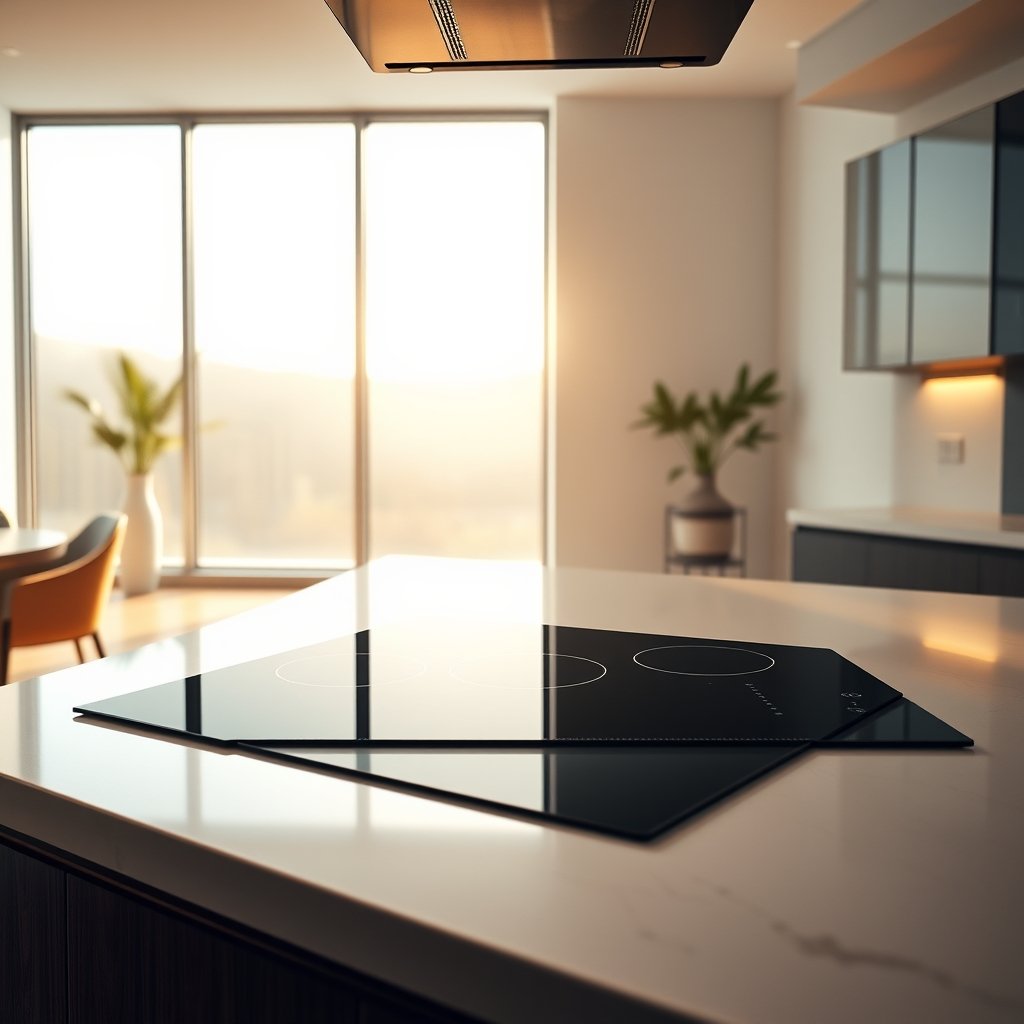
However, induction stove installation is more complex than swapping out appliances. The process might require new electrical wiring, potential electrical panel upgrades, countertop alterations, and adjusting your kitchen’s ventilation. Added incentives via the Inflation Reduction Act make induction more attractive financially, though actual rebate timelines vary by state and require diligent paperwork.
For a deeper kitchen transformation that pairs well with induction’s clean look, check out these organic modern kitchen design strategies.
Step-by-Step Guide: How to Install an Induction Stove
Induction stove installation typically takes careful planning, coordination with a licensed electrician, and a realistic budget. Here’s a breakdown of the essential steps to ensure safety, compliance, and optimal performance:
- Assess Your Current Electrical System.
Determine if your panel has capacity for a new 40-amp, 240V circuit (induction stoves require 8-gauge wire and a dedicated breaker). Homes with 200-amp panels often have enough space. Older homes with 100-amp service frequently need a full panel upgrade—a process that costs $1,800 to $3,200 and can take extra weeks due to utility coordination and inspections (Source).
- Budget for Wiring and Outlet Installation.
Run new wiring from the panel to the stove location. Expect costs from $350 to $550 for accessible routes, but double for multi-story or crawl space runs. Confirm the use of 8-gauge copper wire and GFCI protection as your local code requires.
- Plan Appliance Delivery and Countertop Adjustments.
Standard induction units are $1,000 and up; built-in cooktops requiring countertop cutouts, often cost an extra $600 (for quartz or stone modifications). Measure existing cutouts carefully or prepare for a recut.
- Get Permits and Inspections.
Permits typically cost $250 to $260 and are required for new circuits and panel upgrades. Allow 1-2 weeks for scheduling, longer in jurisdictions with high demand or complex utility approval.
- Schedule Installation with Licensed Professionals.
Have a qualified electrician install and test the induction range. Some trades bundle this with hood or ventilation upgrades, which may cost $450 to $1,600 for new hoods or inline blowers.
- Submit for Rebates or Incentives.
File documentation for Inflation Reduction Act rebates. Low-income households can recover up to $840 per project, but payment timing depends on when your state stands up its electrification program (Source).
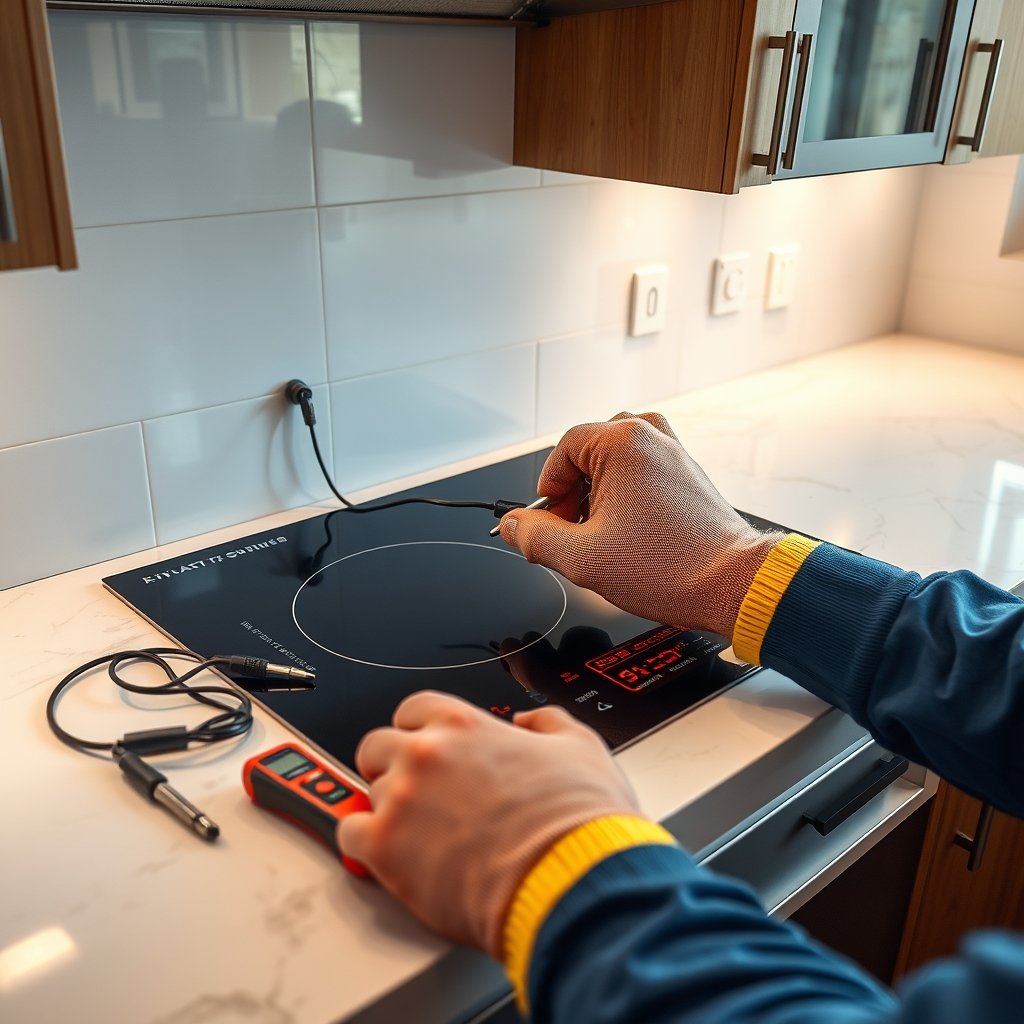
- Timeframes: Basic upgrades may take 3–7 days, but panel/permit and rebate can extend projects 2–5 additional weeks.
- Curious how a similar process works for other modern home upgrades? See this in-depth guide to EV charger installation at home.
For those considering a major kitchen refresh during this process, you might also want to look at space-maximizing wet room bathroom ideas to coordinate updates across your home.
Advanced Analysis & Common Pitfalls
Even well-prepared homeowners often run into these pitfalls when switching to induction:
- Panel upgrades more common than expected. About 1 in 3 older homes (those with 100-amp service or filled panels) need a costly panel replacement, adding up to $3,200 and extra project weeks (Source).
- Rebate and permit delays. Despite promises under the Inflation Reduction Act, many states are behind on rebate program implementation. Contractors often require full payment upfront; reimbursement may take months (Source).
- Hidden wiring and access issues. Running new circuits through finished walls, crawl spaces, or multiple stories can drive labor costs $600–$1,200 higher than budgeted.
- Countertop and appliance fit headaches. Induction cooktops have less standardized dimensions than gas or radiant, leading to countertop recuts and more installation time if holes or cutouts don’t match.
- Rising material and copper wire costs. In some regions, like Los Angeles, core materials have risen 12% year-over-year, catching renovators by surprise (Source).
- Ventilation and code compliance. Existing range hoods may not be sufficient for electric cooking, triggering additional upgrades for capture efficiency or fire codes.
Below is a comparison of electrical requirements and installation factors across gas, standard electric, and induction stoves:
| Range Type | Voltage Required | Typical Amps | Wiring | Install Cost (Avg.) | Common Hidden Costs |
|---|---|---|---|---|---|
| Gas | 120V + Gas Line | 15–20 | 12- or 14-gauge, std. outlet | $400–$1,000 | New gas line, exhaust venting |
| Standard Electric | 240V | 30–50 | 10-gauge, dedicated | $686–$1,353 | Breaker size check, outlet swap |
| Induction | 240V | 40 | 8-gauge, dedicated | $2,200–$9,000 | Panel upgrade, wiring, countertop, rebates, ventilation |
While induction is safer and more energy efficient, expect $20/year fluctuation in utility bills compared to gas—usually negligible (Source). For more information on improving your home’s energy resilience, read about whole-home battery backup solutions.
Conclusion
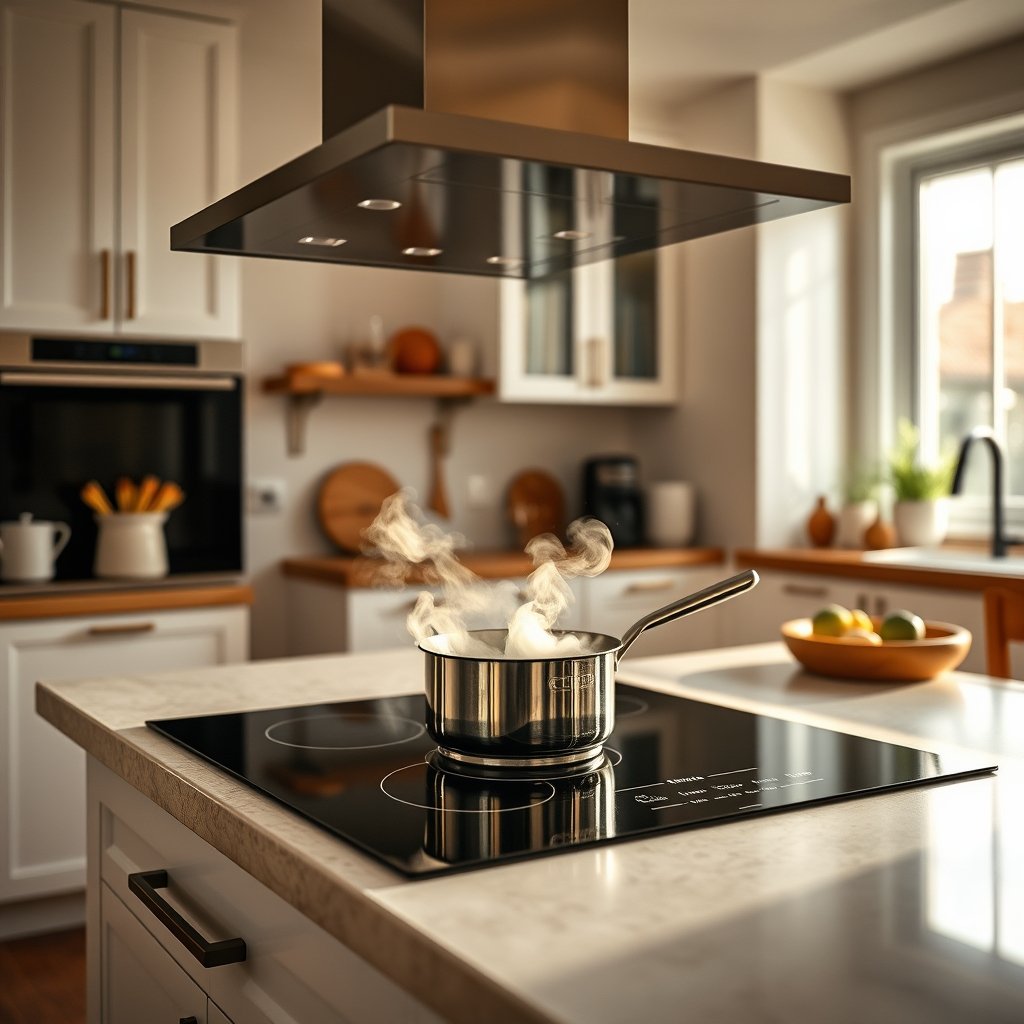
Induction stove installation delivers a cleaner, quicker, and often safer cooking experience, but requires a reality check on costs, electrical upgrades, and timelines—especially when converting from gas. Take the time to plan for hidden expenses, utility and permit delays, and carefully review your panel capacity before starting. Make sure you secure all rebates and align this project with larger home upgrades for the best long-term results.
Ready to tackle your induction stove installation? Research local code requirements, lock in your rebate paperwork, and consult with a licensed electrician before spending on appliances or countertop work. If you’re preparing for new climate realities and want to protect your home even further, explore flood barrier solutions to secure your property.
Frequently Asked Questions
How much does induction stove installation really cost in 2024?
Depending on your home’s wiring and panel needs, expect $2,200 to $9,000 total—including appliance, wiring, permits, panel, and countertop. Entry-level induction appliances start near $1,000, but costs rise with panel upgrades and labor. Learn more here.
Do I always need a panel upgrade to install an induction stove?
No, but it’s common in homes with 100-amp electrical service or no spare slots for a 40-amp circuit. Older homes are more likely to need upgrades, which add $1,800 to $3,200 to the project.
What are the main electrical requirements for induction stoves?
Most induction stoves require a dedicated 40-amp, 240V circuit with 8-gauge wire and a compatible outlet. This is stricter than most electric or gas range requirements and usually needs a licensed electrician.
How do kitchen electrification rebates work for induction stove installation?
Under the Inflation Reduction Act, low-income households qualify for up to $840 reimbursement, while middle-income get 50% rebates. However, most state programs are still setting up, so rebate checks may take months.
Will installing an induction stove lower my utility bills?
Most homes see minimal change—around $20 per year difference up or down, depending on local gas and electric rates. However, induction reduces indoor air pollution and avoids combustion byproducts.