

EV Charger Installation at Home is becoming a must-know process for anyone thinking about electric vehicles. If you’re wondering how much it costs, whether your home is ready, or the kind of headaches you might encounter, read on. This guide skips the fluff and arms you with what actually matters for a safe, affordable installation.
Key Takeaways
- Home EV charger installation costs vary but typically range from $1,200 to $4,000, with most households opting for a Level 2 chargers setup.
- The biggest hurdles are panel capacity, distance from electrical panel, and permit requirements. Smart energy management can help avoid upgrades.
- Federal and utility rebates can cut installation costs by up to 30%, but professional evaluation is essential for an efficient and safe install.
- Why Install an EV Charger at Home?
- How to Install an EV Charger at Home: A Step-by-Step Guide
- Advanced Analysis & Common Pitfalls
- Conclusion
- Frequently Asked Questions
Why Install an EV Charger at Home?
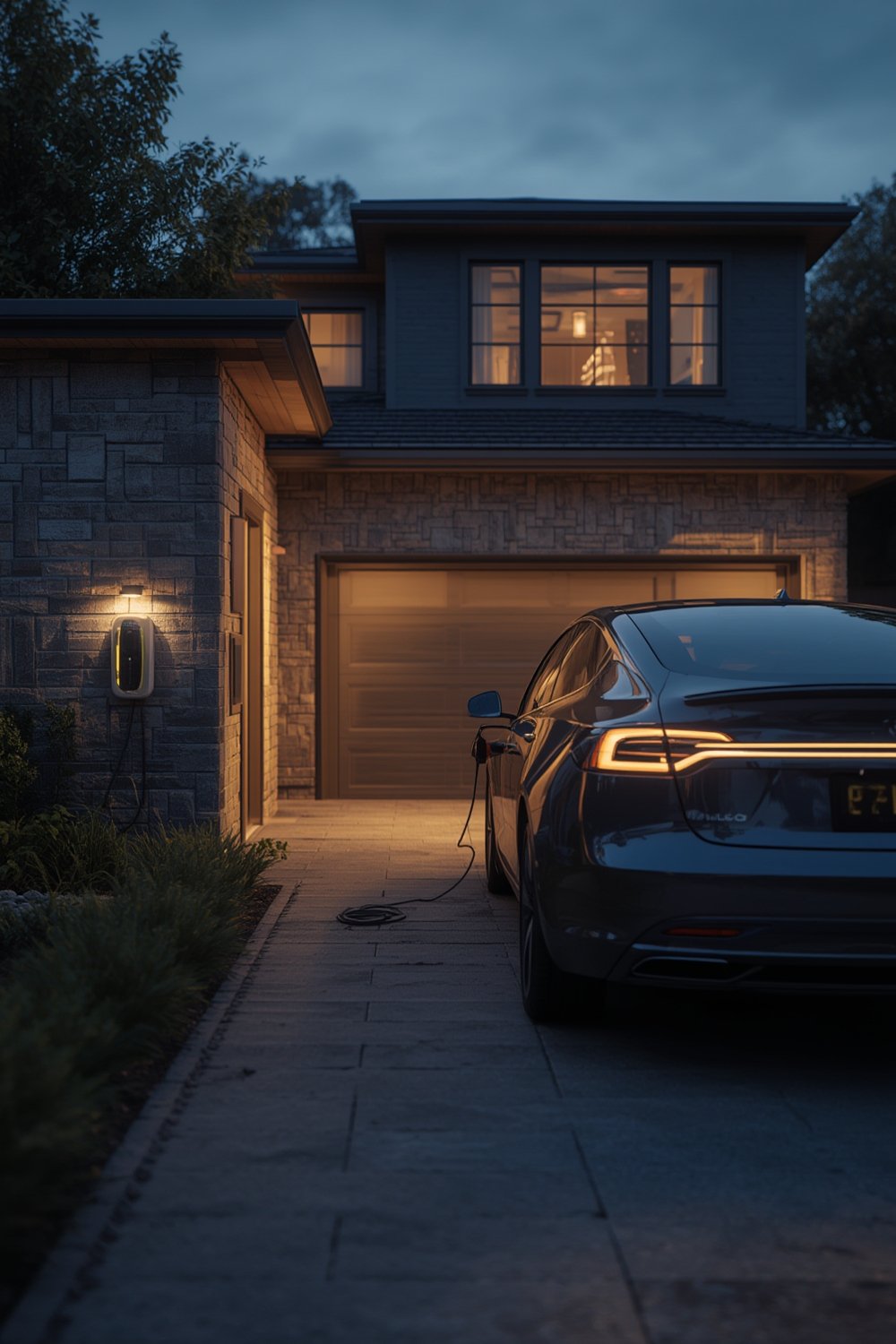
Home EV charging puts you in control. Instead of relying on public stations, you can charge overnight, wake up to a full battery, and save money per charging session over the long run. Level 2 chargers (the most popular home option) are up to 10 times faster than plugging into a basic wall outlet. Most homeowners also benefit from federal tax credits and utility rebates, which make installation more affordable. In short, home charging is about convenience, maximizing EV savings, and prepping your property for the future of transportation.
How to Install an EV Charger at Home: A Step-by-Step Guide
The following steps walk you through a standard home EV charger installation, focusing on Level 2 chargers, which balance speed and affordability for most EV drivers.
- Evaluate Your Electrical Panel. Check your main panel’s amperage (usually found by opening the panel and looking for the main breaker). Most Level 2 installs need a 100-amp panel in good condition. If you have frequent tripping, visible corrosion, or an older panel, expect recommendations for an upgrade.
- Choose a Charger Type. Level 1 chargers use a standard wall outlet but take much longer (12-24 hours for a full charge). Level 2 chargers require a dedicated 240V circuit and typically recharge most EVs overnight. Prioritize UL-listed units with WiFi/smart features only if you value tracking or app integration.
- Get Professional Quotes. Contact 2–3 licensed electricians who have experience with EV installations. They will assess panel capacity, the best location (ideally near the garage or driveway), and estimate permit costs. Always confirm they’ll handle local permitting and code compliance.
- Apply for Permits & Incentives. Most jurisdictions require a permit. Fees range from $50 to $800 on average. Start any rebate paperwork early — federal incentives can cover up to $1,000 or 30% of costs, while utilities often offer bill credits or additional rebates.
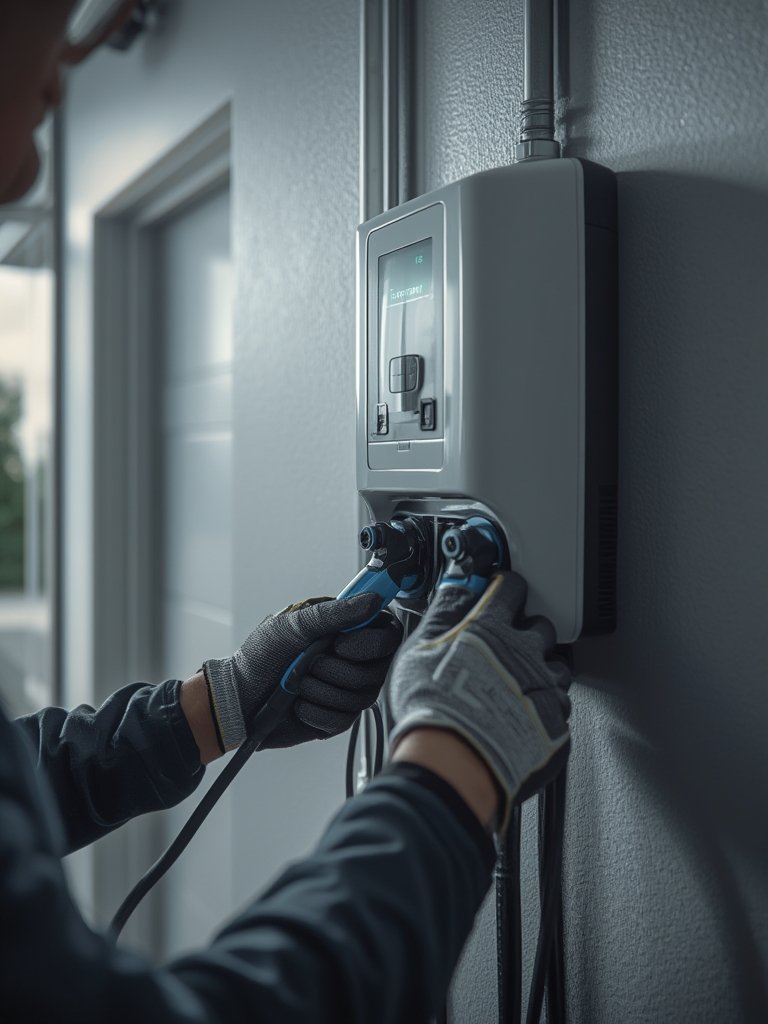
- Schedule the Installation. Standard installs (panel near charger, no upgrades) can take as little as 4 hours. More complex jobs with new subpanels or long wire runs can take multiple days and cost up to $4,000 total. Expect your electrician to test for safe power output and provide an inspection certificate.
- Test & Set Up Smart Features. Once installed, connect WiFi-enabled chargers to your home network for usage monitoring and scheduling. This is optional but useful if you want to track charging costs or set lower-rate charging times.
For a full breakdown of EV charging station technologies and permit requirements, check out our EV charger types explained page.
Advanced Analysis & Common Pitfalls
Although the process might seem straightforward, even well-prepared homeowners run into snags. Here are major issues and some cost ranges you should be aware of:
| Problem Area | Average Extra Cost | What to Watch For |
|---|---|---|
| Panel Upgrades | $1,000-$2,000 | Older homes (sub-100A panels or corrosion); always verify capacity before purchase. |
| Long Wire Runs/Trenching | $300–$1,500 | Garage far from panel or outdoor placement; costs spike with trenching, especially through concrete. |
| Permits & Inspections | $50–$800 (avg. $310) | Check your city’s requirements early! No permit can void insurance and resale value. |
| Utility-Specific Rules | $250–$800 (meter, approval) | Some utilities require separate meters or special applications; slows down the timeline. |
| Smart Charger Add-Ons | $200–$400 premium | Benefits (like phone control or usage stats) are handy but drive up upfront cost. |
Top-ranking articles often fail to mention:
- Long-Term Savings: Home charging typically pays for itself in 2-3 years compared to public charging (public session fees run $10–$30).
- Electrician Qualifications: Don’t just hire any electrician. Choose one with proven EV experience and knowledge of permit/code compliance. More on hiring the right pro here.
- Affordable Solutions: Load balancing devices can help you avoid upgrades, especially if your panel is borderline or you have multiple high-wattage appliances.
Recent cost research from simpleSwitch and EnergySage backs up these ranges; see their breakdowns for additional examples and comparisons.
Curious how your installation compares? Our EV charger installation cost calculator gives a location-specific estimate based on your property’s configuration.
Conclusion
Getting EV Charger Installation at Home right can save thousands over the life of your EV. The most expensive mistake is skipping the planning—panel upgrades and permit surprises can turn a $1,500 install into a $4,000 project fast. Always get a professional evaluation and double-check incentives before you begin. Ready to make your charging routine easier and more affordable? Contact an installer today for a free quote and fast home assessment.
Frequently Asked Questions
How long does it take to install a home EV charger?
Most installations are completed in 4-8 hours if the panel is close and no upgrades are needed. Complicated installs (distance, panel upgrades) can take longer—up to a full day or more.
Is permitting always required for home EV charger installation?
Nearly all cities and counties require a permit. Skipping a permit can lead to failed inspections, insurance issues, or problems when selling your home.
What’s the difference between Level 1 and Level 2 home chargers?
Level 1 chargers use a standard 120V outlet and are much slower (up to 24 hours for a full charge). Level 2 chargers use a 240V circuit and can charge an EV overnight, typically 3-7 times faster.
Who qualifies for the federal EV charger tax credit?
Most U.S. homeowners qualify if the charger is installed at their primary residence and meets local permitting/code. The credit covers 30% of the cost, up to $1,000.
How do I find a qualified electrician for EV charger install?
Look for a licensed electrician with documented EV installation experience and knowledge of local permit/code requirements. Always request references and verify licensure.

[…] Curious how a similar process works for other modern home upgrades? See this in-depth guide to EV charger installation at home. […]