
Flood Barriers for Homes have become an essential defense as extreme weather and unexpected flooding events increase in frequency. If you’re a homeowner looking for real, practical ways to prevent costly property loss, understanding the best types of barriers, costs, and realistic hurdles is critical. This guide cuts through hype and technical jargon, offering a clear path to choosing and using flood barriers that actually work.
Key Takeaways
- Modern flood barriers like inflatables, modular systems, and absorbent bags are faster to deploy, reusable, and offer better seals than traditional sandbags.
- Real-world data on flood barrier effectiveness is scarce, but proper planning and fit are crucial for real protection.
- Choosing the right type and size, and learning from common pitfalls, makes all the difference in keeping your home safe.
- What Are Flood Barriers for Homes and Why Do They Matter?
- How to Choose and Install Flood Barriers for Homes: Step-by-Step Guide
- Advanced Analysis and Common Pitfalls of Using Flood Barriers for Homes
- Conclusion
- FAQ
What Are Flood Barriers for Homes and Why Do They Matter?
Flood barriers for homes are physical solutions placed around doors, garages, driveways, or property lines to block or redirect floodwaters before they enter living spaces. These barriers come in several modern forms:
- Inflatable flood barriers (such as FlowStop) that offer a watertight, quick-to-install defense and fit custom openings.
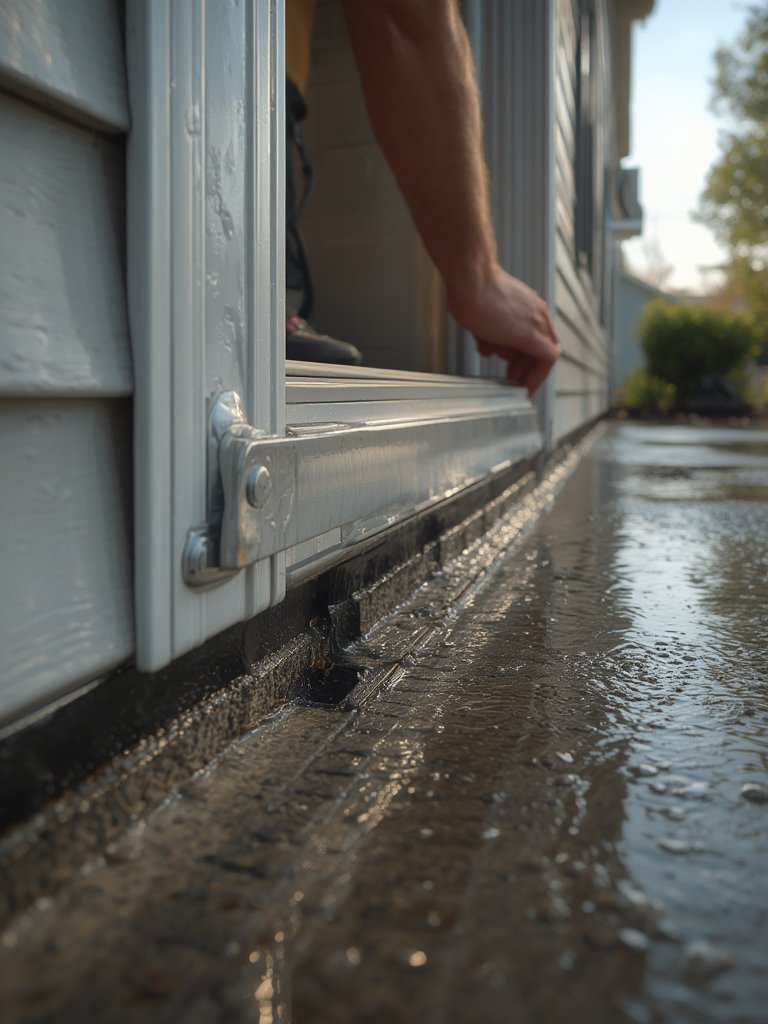
- flood gates, like DamEasy, which are reusable and seal doorways but can be heavy and less adaptable to irregular areas.
- Absorbent, self-rising barriers (Quick Dam) for rapid, mess-free deployment around entry points.
- Modular, free-standing options (NOAQ) that you can set up in minutes along property boundaries.
- Water-activated or water-filled barriers (like VEVOR Hydro Barrier), designed for single-person deployment and easy storage.
These products greatly outperform old-fashioned sandbags by providing faster installation, reusability, and less mess. While they can’t stop catastrophic floods (no barrier is perfect), the right solution dramatically reduces the chance of water entering your home.

Not sure if you need these barriers? Flooding is now the most common and costly disaster in the US. Even an inch of water can result in thousands of dollars in repairs—often not covered by standard homeowners’ policies. Proactive barrier installation is far more affordable than any cleanup, and lets you take action before disaster strikes.
For a complete breakdown of top solutions, see our flood prevention door solutions guide.
How to Choose and Install Flood Barriers for Homes: Step-by-Step Guide
- Assess Your Property’s Flood Risks: Evaluate where water is most likely to enter (doors, garage, driveway, crawlspace vents). Check whether surface water, rising rivers, or storm surge pose threats in your region. Free local government maps typically indicate flood zones.
- Measure Entry Points Accurately: Carefully measure the width/height of all vulnerable doors, windows, garage entries, and at-risk property edges. Each flood barrier type has strict size ranges.
- Compare Flood Barrier Types:
- If speed and storage are priorities, choose absorbent barriers (Quick Dam) or inflatable tubes (FlowStop).
- For permanent, daily-entry locations (main doors), flood gates (DamEasy) provide robust seals.
- Modular barriers (NOAQ) make sense for driveways or longer property lines—fast setup and light to carry.
- For short-term or irregular needs, water-activated bags (VEVOR) are lightweight and eco-friendly.
- Install According to Manufacturer Guidelines:
- Always test-fit barriers on a dry day to learn the process—most modern barriers assemble without tools.
- Double-check seals at edges and anchor points, especially for inflatable or modular products.
- Use additional waterproof tape or caulk for small gaps in hard-to-fit areas, as leaks can occur at uneven surfaces.
- Store and Maintain: After flood season, clean, dry, and store all reusable barriers indoors. Inspect for damage, clean any absorbent barriers thoroughly, and replace worn gaskets on gates.
Want more DIY installation tips? Check out our flood barrier installation step-by-step article for real homeowner case studies and product unboxing guides.
For visual shoppers, compare real setups in our flood barrier gallery—see what barriers look like installed at driveways, pool decks, and more.
For further external research into product choices, TruePrepper provides a vetted breakdown of leading flood barrier brands and features.
Advanced Analysis and Common Pitfalls of Using Flood Barriers for Homes
Home flood protection barriers work well—when installed correctly, sized carefully, and maintained. Yet they have real limitations, and most resources gloss over critical detail. Here’s what the research and real-world reports reveal:
- Barrier Effectiveness Is Not Absolute: No published studies quantify how much loss is prevented by barriers. Even best-in-class inflatable or gate systems may leak if severe water pressure overcomes the seal or barriers shift due to debris.
- Cost Varies Widely and Can Be Misleading: Options range from under $25 for single-door Quick Dam packs to over $900 for rigid gates, or $2,690 for whole-home solutions. Bargain options like sandbags ($10-20 per kit) are slow and messy, with higher clean-up costs after use. Most modern, reusable choices save money over time thanks to durability.
- Fit and Maintenance Matter Most: Heavy, rigid barriers like DamEasy or Legacy offer excellent protection, but are less flexible on irregular thresholds and need extra storage space. Lightweight solutions (NOAQ) can move in strong currents if not anchored, and water-filled bags may underperform if placed on uneven ground.
- Installation Mistakes Are Common: Many homeowners skip regular dry-run tests. Failing to inspect for tears, failing seals, or debris can allow water to bypass the system during an actual event.
Manufacturers stress tool-free, quick installs, but real user feedback is rare. Complaints include:
- DamEasy: More expensive and heavier than expected, not adjustable for oddly-sized doors.
- Legacy Gates: Heavy metal design—tough for seniors or single-person setups.
- Sandbags: Messy, time-consuming, and can leak badly, requiring significant cleaning after use.
| Type | Install Time | Max Height | Key Specs |
|---|---|---|---|
| Inflatable (FlowStop) | Quick | Varies (custom fit) | Lightweight, reusable, watertight See source |
| Flood Gate (DamEasy) | Quick; no tools | 30 inches | Pneumatic seal, reusable, heavy See source |
| Absorbent (Quick Dam) | Fast | 3.5 to 60 inches | Self-rising, polymer, compact for storage |
| Modular (NOAQ) | <5 minutes | 40+ inches (stackable) | Lightweight, self-anchoring, reusable |
| Water Bags (VEVOR) | 5 minutes | 12 inches | Waterproof, lightweight, eco-friendly See source |
Learn more about the technical side of these products with our guide to the best materials for flood barriers.
Unfortunately, most online recommendations focus on product features, not real field data or insurance incentives. For insurance, regulations, and reduction stats, major gaps exist—homeowners are urged to contact a flood insurance expert or check with local authorities for up-to-date programs.

Conclusion
Flood barriers for homes are a practical, proven way to avoid the pain and cost of water intrusion. While no system is perfect—or maintenance free—the right fit, regular testing, and avoiding common mistakes will protect your property better than sandbags ever could. Modern solutions are faster, reusable, and can be set up in under 5 minutes. Ready to take the next step? Flood Barriers for Homes are the proactive defense your property needs. Get started by measuring your risks and exploring which modern solution best fits your home’s entry points today.
Still not sure what type is right for you? Visit our in-depth comparison page for personalized recommendations.
FAQ
How do flood barriers for homes work?
They physically block or redirect floodwaters from entering your property. Some absorb water and expand, while others use custom seals or water-weight to form barriers at entry points like doors and garages.
Are modern flood barriers reusable?
Most new models, such as inflatables (FlowStop) and modular panels (NOAQ), are designed for multiple flood seasons with minimal maintenance. Traditional sandbags, however, are often single use.
How much do flood barriers for homes cost?
Prices range from $23 for doorway packs (Quick Dam) to over $900 for robust flood gates or $2,600 for whole-home inflatable systems. Expect higher upfront costs for reusable options, but lifetime savings over repeated sandbag use.
Do flood barriers stop all water in severe floods?
No barrier is foolproof. Extreme pressure or improper installation can allow seepage. Choosing the correct height, securing the barrier, and routine checks help minimize risk.
Is a permit or insurance discount available for installing flood barriers?
As of 2024, there are no widely advertised permit or insurance incentive programs tied to DIY flood barrier installation. Guidelines vary—check with your local authority or insurer for updates.