

Home solar battery technology is changing the way homeowners power their lives and manage energy resilience. With residential solar adoption reaching new highs in 2024, understanding the real costs, potential benefits, and possible pitfalls of home solar battery systems is essential before making any investment.
Key Takeaways
- Over 5 million U.S. households now use rooftop solar; battery storage is gaining traction, especially with federal and state incentives.
- Real-world complaints focus on high upfront costs, unclear payback, and limitations around installation or battery lifespan.
- A lack of transparent cost and performance data makes research and due diligence crucial for any homeowner considering a home solar battery system.
- What is a Home Solar Battery and Why Consider One?
- How to Get a Home Solar Battery: Step-by-Step Guide
- Advanced Analysis & Common Pitfalls
- Conclusion
- Frequently Asked Questions
What is a Home Solar Battery and Why Consider One?
Home solar batteries store the extra energy your rooftop solar panels generate so you can use it later, like during a power outage or peak utility rate hours. The goal is to increase your energy independence, reduce your electricity bills, and add resilience in case the grid goes down. In 2024, energy resilience is on every homeowner’s mind, especially as weather events put more pressure on traditional electric utilities. More than 5 million U.S. homes now have solar, and a growing percentage are adding batteries thanks to expanding incentives and falling barriers to entry. While solar panels generate electricity during the day, a solar battery ensures you can keep appliances running and lights on even after the sun sets.

How to Get a Home Solar Battery: Step-by-Step Guide
- Assess Your Energy Needs: Review your utility bills, check for frequent outages, and decide which appliances or areas you want backed up. Use your highest daily and nightly usage as benchmarks.
- Research Local Incentives: Incentives can significantly lower your upfront costs. In 2024, the Inflation Reduction Act provides major tax credits, and states like California, Texas, and Florida offer additional rebates and net-metering perks. Get up-to-date incentive info before you sign anything.
- Shortlist Local Installers: Choose licensed, reputable companies with a proven track record. Ask if they offer financing or third-party ownership, now more common due to high interest rates and increased incentives (see source). Shortlist Local Installers
- Compare Battery Types: Not all batteries are equal. In the U.S., most home systems are benchmarked at 5 kW/12.5 kWh, but detailed specifications like warranty, chemistry, and cycle life should guide your choice. Read our guide to solar battery types.
- Request Formal Quotes: Ask for all-in pricing: equipment, permitting, installation, and aftercare. Insist on detailed warranty and maintenance information.
- Analyze Payback & Financing: With no standardized 2024 payback period data available, use conservative estimates—plan for a 7-12 year horizon depending on your location, utility rates, and how much backup you truly need. Try our solar payback calculator.
- Schedule Installation & Inspection: Quality installation determines long-term safety and performance. Ensure a building inspection is included.
- Monitor & Maintain: Use app-based tools to track charge/discharge rates and learn when to schedule maintenance for peak efficiency.
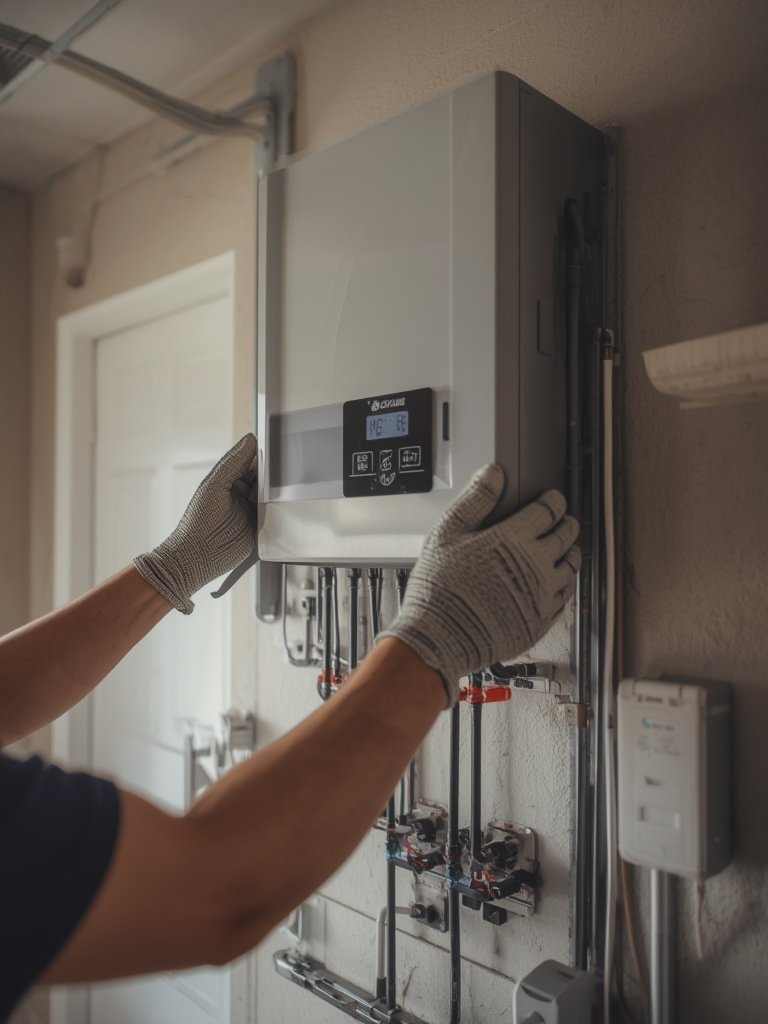
For more on what influences battery sizing and all the factors impacting your project cost, see our guide to solar installation costs.
Planning for a new build or deep remodel? Explore how integrated home solar battery design can boost long-term property value by reading this in-depth resource.
Advanced Analysis & Common Pitfalls
Despite rising adoption, many homeowners face real-world challenges with home solar battery systems. Here’s a summary of the most common problems, plus what you can do to avoid them:
- High Upfront Cost: Nearly 40% of customers report dropping solar/battery projects due to sticker shock, unclear incentives, or missing financing. Source: Aurora Solar Report 2024
- Poor Return on Investment: Only 12% cite return on investment as a reason to back out, but actual payback periods are fuzzy. Without clear savings estimates, set conservative expectations.
- Installation or Reliability Concerns: Direct data on battery malfunctions, warranty claims, or installation errors is thin. Still, mis-sizing or underestimating wiring complexity are common causes of project headaches.
- Ambiguous Federal & State Incentives: Programs change, and coverage is not always clear for batteries compared to solar panels alone. What qualifies for one incentive might not for another. Always confirm specifics with your installer and review reputable sources like the Department of Energy’s solar update.
| Risk | How to Avoid |
|---|---|
| High initial price / unclear long-term ROI | Maximize local & federal rebates, get at least 3 quotes, use realistic payback models |
| Installation errors / poor sizing | Hire only certified installers, double-check battery specs & warranty |
| Lack of transparent performance data | Request detailed monitoring tools and hands-on app demo before finalizing purchase |
| Changing incentive rules | Work with an installer up-to-date on 2024 policies, verify incentive eligibility in writing |
Battery lifespan, safety, and chemistry make a big difference, but side-by-side spec data is still rare. If you want to dive deeper into system types and maintenance differences, see our lifecycle and warranty breakdown.

Conclusion
Investing in a home solar battery is a strategic move toward energy independence, grid resiliency, and potentially lower costs. In 2024, federal and state policy support makes this technology more accessible than ever, but a lack of clear data on cost breakdowns, system performance, and payback periods means homeowners must approach the decision carefully. Always research incentives, use vetted local installers, and demand transparency at every stage. If you want to make the most of your home solar battery investment or need personalized advice, reach out for a tailored system analysis and next steps.
Contact us for a solar battery consultation or check your eligibility for incentives.
Frequently Asked Questions
How much does a home solar battery system cost in 2024?
There is no standardized national price in 2024. Most representative systems are around 5 kW/12.5 kWh capacity. Costs depend on battery chemistry, installer, and local incentives. Always request itemized quotes and verify if the federal tax credit applies to your system.
How many years will my solar battery last?
Lifespan varies by chemistry and usage. Lithium batteries, most common for home solar, typically last 10-15 years. Ask your installer for the warranty period and what’s covered.
Do I need solar panels to use a home solar battery?
Most systems are paired with rooftop solar, but some units can charge directly from the grid for backup. Solar-only incentive programs usually require both panels and battery installed together for maximum savings.
Which incentives apply to home solar batteries in 2024?
The federal Investment Tax Credit (ITC) applies to qualified systems, and many states offer additional rebates or net-metering for batteries paired with solar. Incentives change often, so consult trusted sources and your local installer for the latest.
What are common mistakes when installing home solar batteries?
Rushed installer selection, underestimating capacity needs, ignoring future energy usage, and neglecting to confirm eligibility for local incentives are the most common errors. Take your time to compare options.