

Generator alternatives for home are becoming essential in 2024 as homeowners search for cleaner, quieter, and more reliable backup power solutions due to rising power outages and stricter environmental laws.
Key Takeaways
- The backup power market is rapidly shifting towards solar-battery hybrids and advanced battery systems, but traditional fuel generators still dominate most homes.
- Noise, emissions, and high maintenance drive demand for alternatives, yet clean energy options come with challenges like high up-front costs and limited backup duration.
- Choosing the right solution means honestly assessing power needs, outage risks, budget, and technical fit with your home’s electrical system.
- Understanding Generator Alternatives for Home
- How to Choose and Set Up the Right Backup Power Solution
- In-Depth Analysis and Common Pitfalls
- Conclusion
- FAQ
Understanding Generator Alternatives for Home
With severe storms, grid instability, and environmental regulations on the rise, many homeowners are rethinking their dependence on noisy gasoline generators. The core concept of generator alternatives for home revolves around providing consistent backup power while lowering noise, emissions, and maintenance headaches. Modern alternatives include solar-battery hybrids, all-in-one battery backup systems, and hybrid platforms that flexibly combine solar, battery, and generator tech for optimized reliability and efficiency.
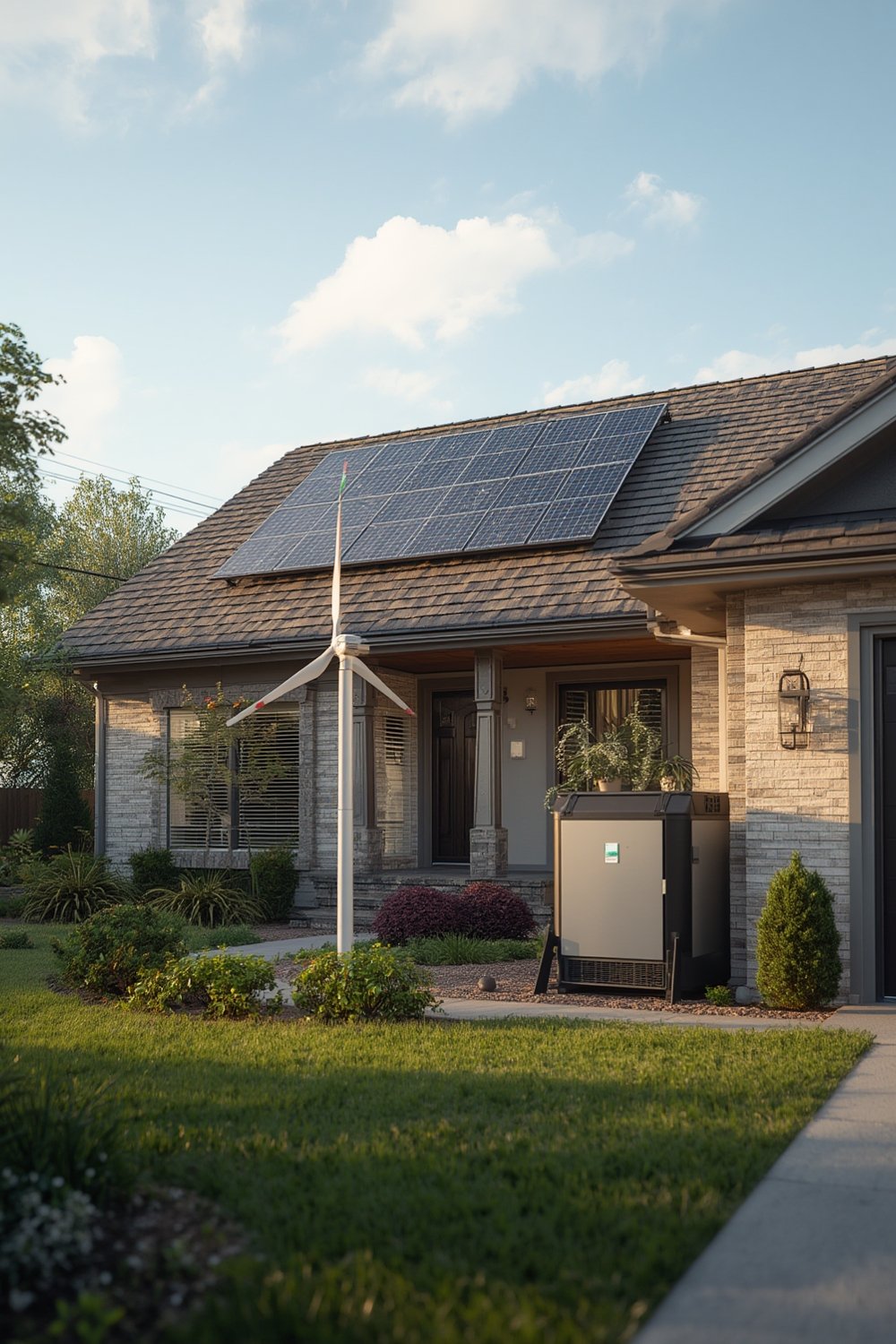
In 2024, market data reveals that while conventional engine-and-alternator generators still power most homes during blackouts, new technologies are quickly gaining ground. According to Fortune Business Insights, the global home generator market is projected to reach over $11 billion by 2032, with solar-battery hybrid systems posting the fastest growth. Yet, major barriers such as upfront costs, space requirements, and integration challenges remain.
How to Choose and Set Up the Right Backup Power Solution
Adopting a generator alternative for home backup power is a step-by-step process. Here’s how to approach it realistically:
- 1. Map Your Power Priorities: Do you need to run your whole house (HVAC, all lights, appliances), or just the essentials? Most outage-ready homes focus on refrigerators, lighting, sump pumps, charging, and medical equipment. For whole-home solutions, expect much larger systems and costs.
- 2. Assess Site and Local Constraints: Some generator alternatives for home, like rooftop solar panels or large batteries, could be limited by roof space, HOA rules, or panel compatibility. Check for shaded roofs, subpanels, or circuits that may complicate installation. Look up local incentives via the solar incentives guide.
- 3. Compare Core Technology Choices:
- Solar-Battery Hybrids: Silent, emission-free, and ideal for frequent outages or sunny climates. However, expensive up-front, and backup is time-limited by battery capacity.
- Home Battery Backup (Grid-Charged): Such as the Tesla Powerwall, which charges from the grid and delivers silent backup. These can stack for more capacity but are pricey for whole-home coverage.
- Hybrid Platforms: Combine batteries, solar panels, and small generators (sometimes even linking EVs as power sources). Most flexible but require complex setup.
- Portable Lithium Power Stations: Quiet and versatile, these are excellent for apartments or small loads, but can’t run big appliances or last days without recharging.
- Traditional Gasoline or Propane Generators: Economical for high-wattage or long-duration outages but noisy and polluting. See our best portable generators reviewed guide.
- 4. Budget and Financing: High up-front costs for clean systems are offset over time with incentives and savings on fuel/maintenance. Analyze total cost of ownership, not just purchase price. Check our solar vs generator costs breakdown for realistic numbers.
- 5. Permitting and Integration: Hybrid and battery solutions often require permitting, utility interconnection agreements, and sometimes electrical panel upgrades—especially if you want whole-home coverage. Get multiple installer quotes and ask about experience with smart panels such as SPAN or Lumin to enable flexibility. Consider our generator installation tips guide.
- 6. Maintenance and Support: Battery systems offer low maintenance, while gas generators require regular fueling and servicing. Make sure local support is available for emergency repairs.
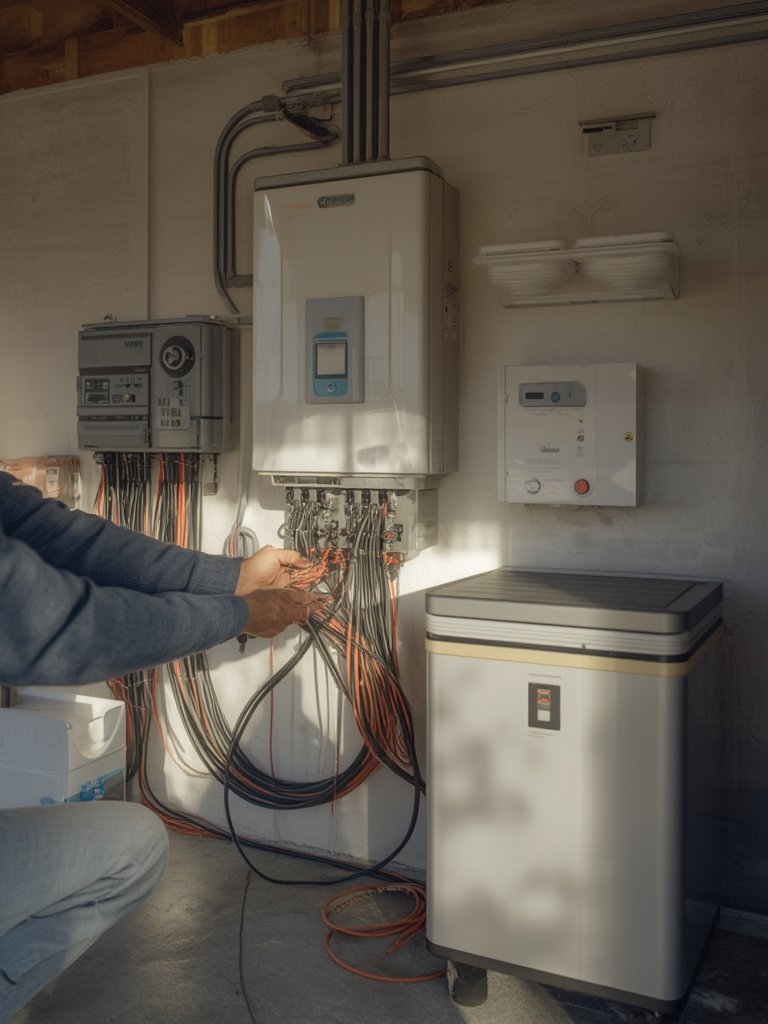
By following these steps, you’ll avoid the biggest mistakes—overpaying for capacity you don’t need, or underestimating the complexity of integrating modern systems into older homes. For expert opinions and real case studies, see our clean backup power case studies.
In-Depth Analysis and Common Pitfalls
While generator alternatives for home sound promising, most solutions come with trade-offs and real-world drawbacks. Here’s what often surprises new adopters, plus a quick technology comparison for 2024:
| Technology | Typical Usage | Backup Duration | Noise/Eco | Upfront Cost* | Maintenance |
|---|---|---|---|---|---|
| Gasoline Generator | Whole house (short-term) | Multiple days if refueled | Noisy, polluting | Low–Medium ($1,000–$5,000) | High (oil, fuel, tune-up) |
| Natural Gas/Propane Standby | Whole/Emergency power | Days–weeks with fuel source | Quieter, lower emission | Medium–High ($3,000–$10,000+) | Medium (professional service) |
| Battery Backup (Grid) | Essentials or whole home stacked | 4–12 hours per battery | Silent, zero emissions | High ($7,000–$20,000+) | Low |
| Solar-Battery Hybrid | Essentials, partial or whole home | Daytime (recharge), night limited | Silent, zero emissions | Very High (>$15,000 with solar) | Low |
| Portable Lithium Station | Core circuits/small appliances | 1–8 hours per charge | Silent, zero emissions | $800–$4,000 | Low |
* Typical U.S. ballpark costs in 2024. Installation, rebates, and local permit costs vary.
Common Pitfalls & What To Watch For
- Underestimating Backup Duration: Battery systems may only last a few hours during heavy use or multi-day grid outages. Without solar recharge or stackable units, you risk running out of power when it matters most.
- Integration Complexity: Many battery and hybrid systems require upgrades to existing electrical panels or rarely used transfer switches. Homeowners often overlook needed permits and professional installation—leading to cost overruns and delays. Consult our generator wiring guides for more.
- Upfront Sticker Shock: Despite falling battery prices and incentives, most alternatives cost significantly more upfront than a portable generator, which can be a dealbreaker if access to credit is tight.
- Space and Structural Limits: Large battery or inverter units need space—making them less practical for apartments, smaller homes, or shaded roofs that can’t support solar.
- Environmental Trade-offs: While clean backup systems cut emissions and noise, lithium battery manufacturing, end-of-life recycling, and disposal create their own environmental concerns not always addressed in vendor marketing. Further reading on this is available from Mordor Intelligence.
- No One-Size-Fits-All: Rural homes with no natural gas lines or regular ice storms may need traditional fuel generators for extended outages, despite environmental or noise preferences.
Market data shows that in 2024, portable generators still hold the majority of installations due to their lower price and flexibility. However, battery backup solutions like Tesla Powerwall recorded a 30% annual jump in adoption, reflecting demand for cleaner and quieter power.
Finally, many homeowners discover that some solutions—especially all-in-one battery systems—aren’t practical until critical charging infrastructure (rapid grid chargers or powerful solar setups) is in place. For regions with frequent long outages, combining generator and battery tech may be the only realistic approach.

Conclusion
There’s never been more choice—or more complexity—when considering generator alternatives for home. Solar-battery hybrids, grid-charged batteries, hybrid systems, and advanced portable solutions are increasingly viable for essentials-only backup, but each comes with trade-offs on cost, backup runtime, and install complexity.
For most, the best approach is a realistic evaluation of power needs, honest budgeting, and consultation with experienced local installers. The right generator alternatives for home can lower noise and carbon footprint, but may not fully replace traditional generators for extended outages in every scenario.
Ready for uninterrupted power? Contact us to get a personalized outage risk and backup solution assessment or download our full generator alternatives buying guide now.
FAQ
How long will a battery backup system actually run my home during an outage?
Most home battery backup systems provide power for 4–12 hours for core circuits, depending on capacity and load. Running whole-home loads, especially HVAC, will drain batteries faster. For multi-day outages, only hybrid systems with solar input or generator support will maintain power continuously.
Can battery-based systems fully replace a gas generator in severe weather?
In short outages, yes, but for long-duration outages caused by major storms, fires, or grid failures, battery-only solutions may fall short without ample solar access or auxiliary fuel backup. Many homeowners choose hybrid setups for peace of mind.
What’s the biggest hidden expense when installing solar-battery backup?
Permitting, panel upgrades, and unforeseen site work like roof reinforcement can surprise with extra costs—often a few thousand dollars. Quotes should include detailed assessments to avoid budget overruns.
Do portable lithium power stations work for apartments or condos?
Yes, these offer quiet, compact backup for charging devices, running lights, or small fridges. However, they can’t power central HVAC, electric ranges, or large appliances. They’re ideal for renters who can’t install large systems.