

Level 2 charger installations have become a must-have for electric vehicle owners aiming for faster, smarter, and more convenient home charging. With 2024 showing record adoption rates and infrastructure upgrades, knowing how Level 2 chargers really work—and what pitfalls to avoid—can save you time, money, and frustration.
Key Takeaways
- Level 2 EV chargers offer charging speeds up to 15x faster than Level 1, enabling full overnight charging for most vehicles.
- Home installation costs vary, with hidden fees often overlooked—plan for both equipment and professional electrical work.
- Regulatory hurdles, compatibility with older panels, and ROI often go unaddressed; proactive planning avoids installation headaches.
- What Is a Level 2 EV Charger and Why Does It Matter?
- Step-by-Step: Installing a Level 2 EV Charger in Your Garage
- Advanced Analysis & Common Pitfalls
- Conclusion
- Frequently Asked Questions
What Is a Level 2 EV Charger and Why Does It Matter?
A Level 2 EV charger operates at 240V, dramatically cutting down the time it takes to recharge your electric vehicle at home. Typical charging speeds range from 10 to 75 miles of driving range per hour—compared to the 2 to 5 miles per hour you’d get from a standard household outlet (source). Installing a Level 2 charger lets you consistently top up your battery overnight, even if your daily driving pushes your range limit.
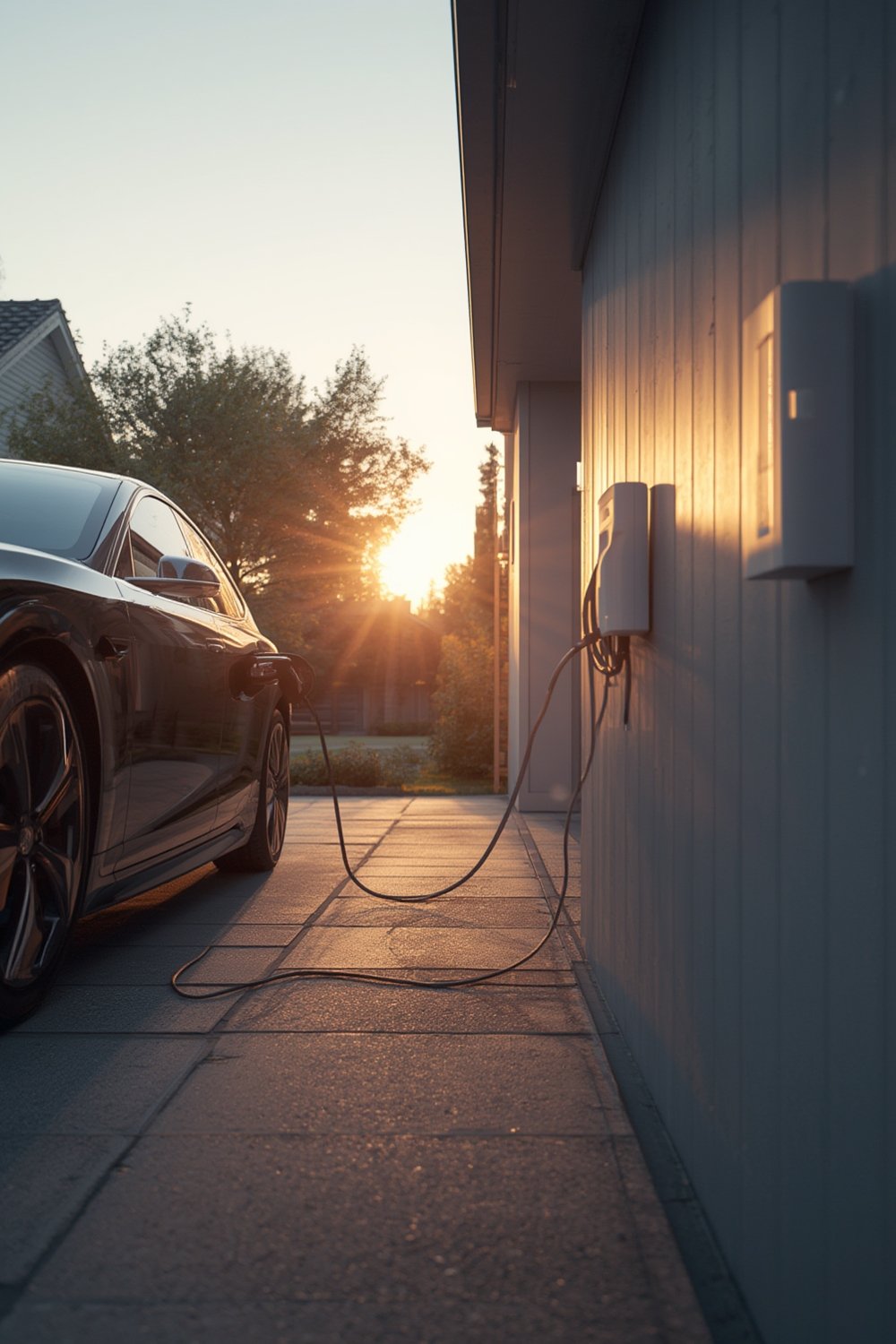
The appeal goes beyond speed. As electric vehicle adoption surges—North America saw Level 2 port numbers jump by 29% in 2024—many drivers discover home charging is reliably cheaper and more convenient than public charging.
Still, nearly 90% of the needed home charging ports are missing from today’s grid (source). By learning about the hardware, installation steps, and hidden hurdles, you can position yourself for long-term savings and convenience.
Step-by-Step: Installing a Level 2 EV Charger in Your Garage
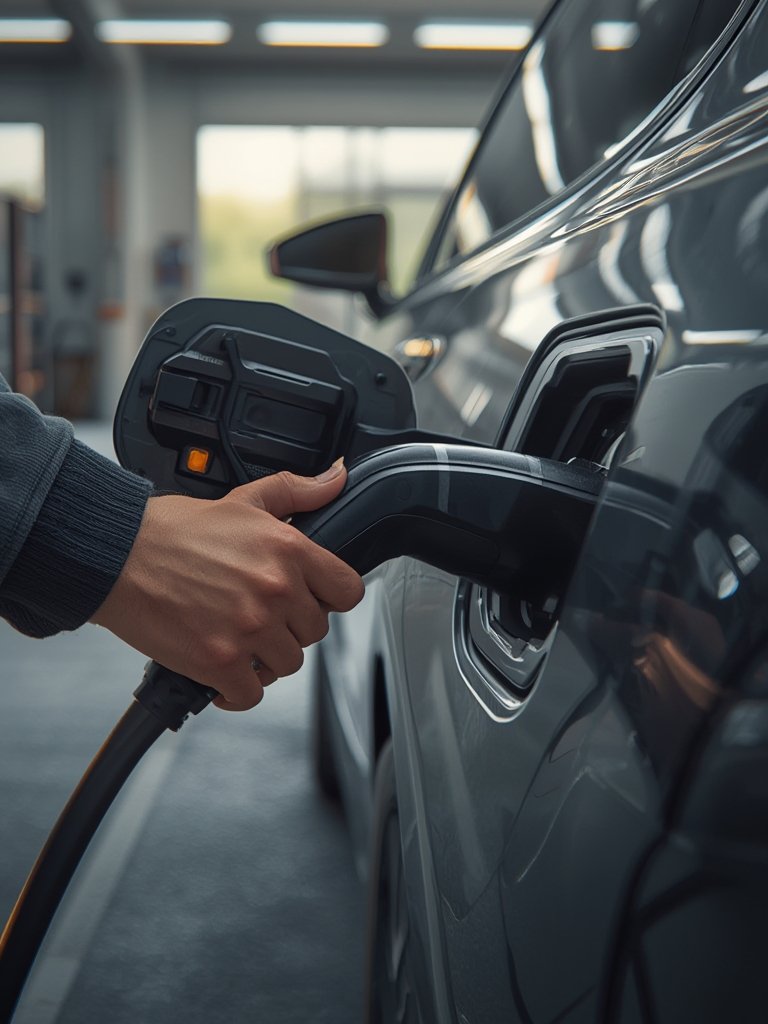
Here’s how to install a Level 2 EV charger at home—a process that goes far beyond plugging in a box. Preparation and smart choices can save hundreds of dollars and many headaches later.
- Choose Your Level 2 Charger
- Most home units cost $300-$1,500 (source). Features like Wi-Fi connectivity, adjustable power, and outdoor enclosures drive the price.
- Confirm your vehicle’s maximum charge rate and connector type. Not all chargers are compatible with every EV.
- If you want detailed product comparisons (reliability, smart features, warranty), see our expert EV charger review.
- Assess Your Electrical Panel & Circuit
- Is your breaker panel 200 amps or higher? Many homes need electrical upgrades to handle a 240V circuit. Panel upgrades add $500-$3,000 to the total cost—sometimes much more for older homes.
- Check if there’s unused capacity for a new 40-60 amp circuit. If not, load management (sharing capacity with other high-power appliances) may be necessary.
- For electrical safety, see our guide on EV charger installation codes.
- Hire a Qualified Electrician
- Insist on licensed professionals. Botched installations risk fire and void your charger’s warranty.
- Ask for a written quote covering permit fees, wiring, labor, charger mounting, and inspection.
- Permit costs and inspection requirements vary by state or province; for example, California’s permit process may differ significantly from other areas.
- Schedule Inspection & Activation
- Most regions prohibit you from powering up your new charger until a government inspector approves the work. This protects against unsafe wiring and ensures utility notification compliance.
- If you’re considering integrating solar panels or battery storage, learn about advanced home energy management in our solar EV charging guide.
- Optimize Ongoing Use
- Track your EV charging energy use and cost with smart charger apps.
- Participate in local time-of-use or demand response programs, if available, to lower utility bills.
- If you lease your home, see our advice on EV charging for renters.
Advanced Analysis & Common Pitfalls
Despite the allure of fast home charging, there are common missteps and technological limitations to be aware of. Transparency about these issues can help you avoid major setbacks and unexpected expenses.
User Complaints & Installation Challenges
- Surprise Costs: Homeowners often underestimate total installation costs. Equipment may seem affordable ($300-$1,500), but electrician labor, panel upgrades, and permits can add $1,000–$4,000+.
- Panel Limitations: Older homes (built before 1980) frequently lack spare capacity for a dedicated 240V line, requiring expensive panel replacements.
- Noisy Fan Operation: Some chargers are audibly loud when mounted in or near living areas. Check for quiet operation if this matters to you.
- Permitting & Delays: Local permitting delays are common. You may wait weeks for inspection or utility approval before you can actually use your charger.
- Unreliable Contractors: Poor workmanship can create fire hazards or result in failed inspections. Always vet installers carefully.
Comparison Table: Charging Speed & Infrastructure
| Level 2 (240V) | Level 1 (120V) | |
|---|---|---|
| Charging Speed (Miles/Hour) | 10–75 | 2–5 |
| Time: BEV 0–80% Charge | 4–10 hours | 40–50+ hours |
| Time: PHEV Full Charge | 1–2 hours | 5–6 hours |
| Equipment Cost | $300–$1,500 | Usually Included |
| 2024 US Public Ports | 153,000 | ~28,000 |
Technical & Compatibility Issues
- Charging Curve Slowdown: Like DC fast charging, some high-powered Level 2 chargers slow near battery full—expect a significant drop in charging rate above 80% state of charge (source).
- Electrical Code Differences: NEC (US), CEC (Canada), and UK wiring rules each have unique demands on wire size, GFCI protection, and installation practices. Poor code compliance can void home insurance or cause safety issues. For specific regional rules, see our guide on regional EV charger code compliance.
- Lack of Load Management: If multiple appliances or chargers are used simultaneously, risk of tripped breakers or power loss rises unless you install smart load sharing or energy management solutions.
- Public Charging Gaps: Not all public stations are Level 2—be sure your travel route supports your connector type and charging speed needs. Explore our tips for finding EV charging stations.
Conclusion
Investing in a Level 2 EV charger is one of the simplest ways to maximize the convenience and cost savings of EV ownership. By understanding installation steps, cost factors, code requirements, and common errors, you can make your upgrade seamless and futureproof.
Ready to supercharge your electric driving routine? Take the next step—discover how a level 2 EV charger can transform your everyday commute and support a cleaner, smarter home energy future. Contact our experts now for a personalized estimate.
Frequently Asked Questions
How fast does a Level 2 EV charger charge my vehicle?
A typical Level 2 charger provides 10–75 miles of range per hour. Most BEVs can charge from empty to 80% in 4–10 hours, while plug-in hybrids need about 1–2 hours for a full charge.
What’s the total installation cost for a Level 2 charger at home?
The charger unit costs $300–$1,500. With electrician labor, possible panel upgrades, permits, and inspections, total installation can range from $1,000 to over $5,000.
Can I install a Level 2 charger myself?
Unless you’re a licensed electrician, self-installation is risky and often illegal. Most regions require professional installation to pass inspection and avoid voiding warranties.
Does a Level 2 charger work with every electric vehicle?
Most EVs sold in North America can use Level 2, but you must check connector compatibility and your EV’s maximum charging rate for optimal results.
Will a Level 2 charger increase my electricity bill?
You’ll use more electricity, but charging at home is usually much cheaper per mile than gas. Smart chargers and time-of-use billing programs can help reduce overall costs.