
Hurricane shutters alternatives are a hot topic among coastal homeowners looking for affordable and flexible ways to protect their windows from storms. With hurricanes becoming more severe, it’s crucial to understand every option beyond traditional metal shutters to find the right balance of cost, convenience, and protection.
Key Takeaways
- Alternatives like fabric screens and removable storm panels offer cost savings but may require more effort to install and maintain compared to permanent shutters.
- Insurance companies typically provide incentives for any code-compliant hurricane protection, but check local laws and installation requirements before purchase.
- Homeowners should balance upfront costs, long-term durability, and real-world convenience when choosing a hurricane window protection method.
- Understanding Hurricane Shutters Alternatives
- How to Choose and Install Alternatives: A Walkthrough
- Analysis & Common Pitfalls of Hurricane Shutters Alternatives
- Conclusion
- Frequently Asked Questions
Understanding Hurricane Shutters Alternatives
If you’re building or upgrading on the coast, odds are you’ve searched for something easier or more affordable than traditional shutters. Hurricane shutters alternatives include storm panels, fabric screens, and polycarbonate sheets. These solutions protect glass from wind, flying debris, and water intrusion, and most are removable for seasonal use. The main draw is flexibility in installation and lower price compared to accordion or roll-down shutters.
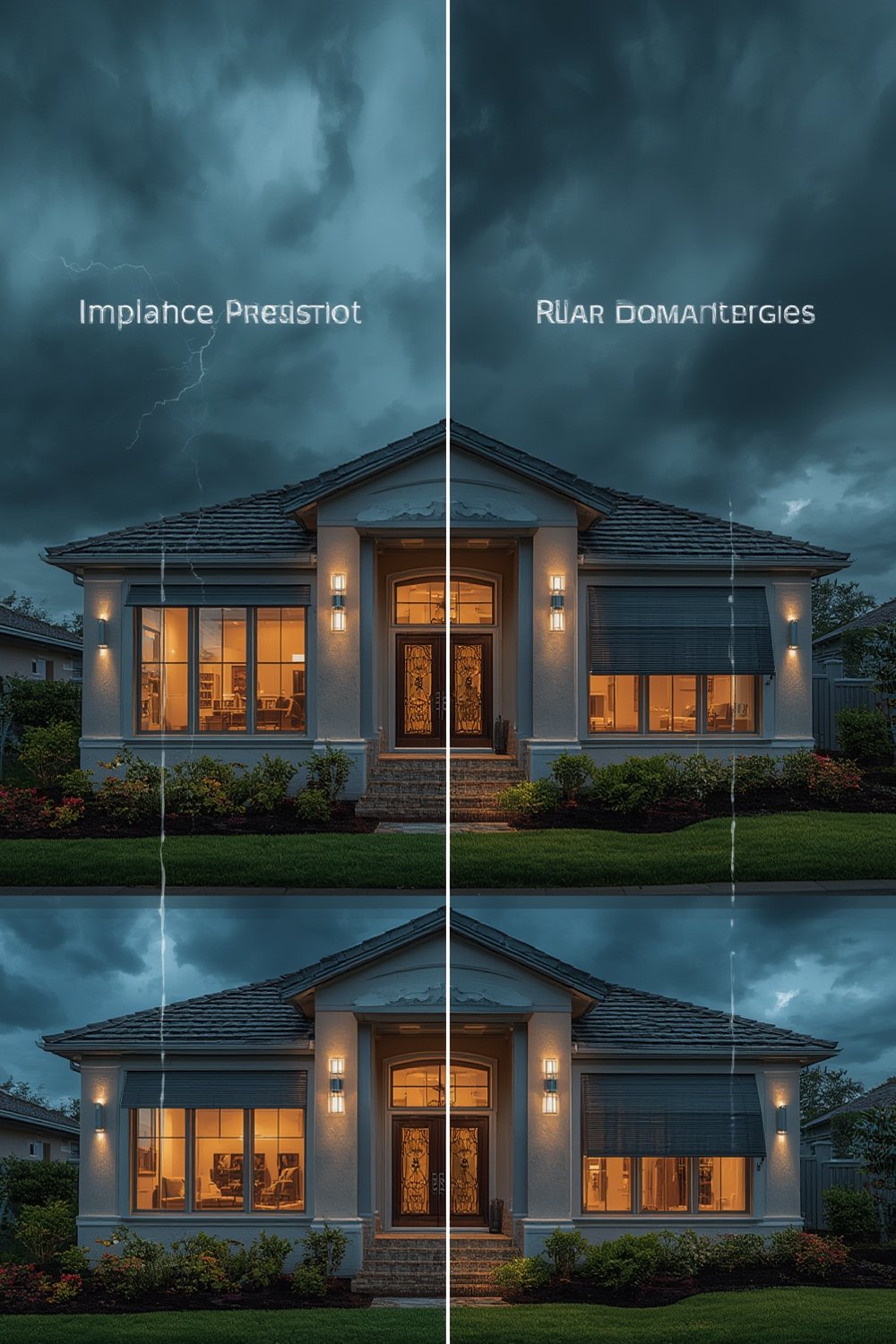
Fabric shutters, for example, block wind and debris while being lightweight enough to store in a closet. Removable storm panels (aluminum, steel, or polycarbonate) snap onto preinstalled tracks and offer solid but basic protection at a fraction of impact-rated window costs. While these aren’t invisible like impact-rated windows or as hands-off as roll-down shutters, they fill a sweet spot for people wanting protection without heavy investment or complex construction.
Most alternatives meet strict Florida code requirements, which means they can reduce insurance premiums and satisfy local building codes. Still, every option comes with tradeoffs—like needing storage space or more preparation before a storm hits. For more details on market trends and regulatory shifts, see the regular industry updates at Hurricane Shutter Requirements in Florida.
How to Choose and Install Alternatives: A Walkthrough
Choosing the right hurricane shutters alternative takes careful planning. Here is a direct, actionable process from selection through preparation and maintenance:
- Evaluate Your Risk & Local Code: Find out if your municipality requires certain types of window protection. Many regions have strict codes, especially coastal Florida and the Gulf Coast. Most insurance carriers require that your chosen system meets these requirements for premium discounts.
- Set Your Budget: Balance initial price, installation costs, and expected lifespan. Storm panels cost $5-$20 per sq ft, while fabric options cost less but may not last as long as metal. Source
- Measure & Assess Each Opening: Not every window or door has the same fit. Custom sizing may cost more but ensures a secure seal.
- Choose the Right Product: Weigh choices like aluminum panels, polycarbonate sheets (transparent but sunlight may yellow them), or high-strength fabric screens. Accordion shutters are permanent and more expensive but always ready. For a deep dive, check our detailed hurricane shutter comparison guide.
- Order and Schedule Installation: Panels and screens are generally available at big-box stores or online, but a professional install ensures code compliance. Keep all documentation for insurance filings.
- Prepare Storage & Mark Panels: Label removable panels for each opening and create a storage plan for off-season. Practice quick deployment with family or friends—in an emergency, speed counts more than looks.
- Maintain and Inspect Each Year: Check for corrosion on metal, brittleness in polycarbonate, and tears in fabric. As recommended on Atlas Armor, replace any panel or fastener that shows signs of wear before hurricane season.
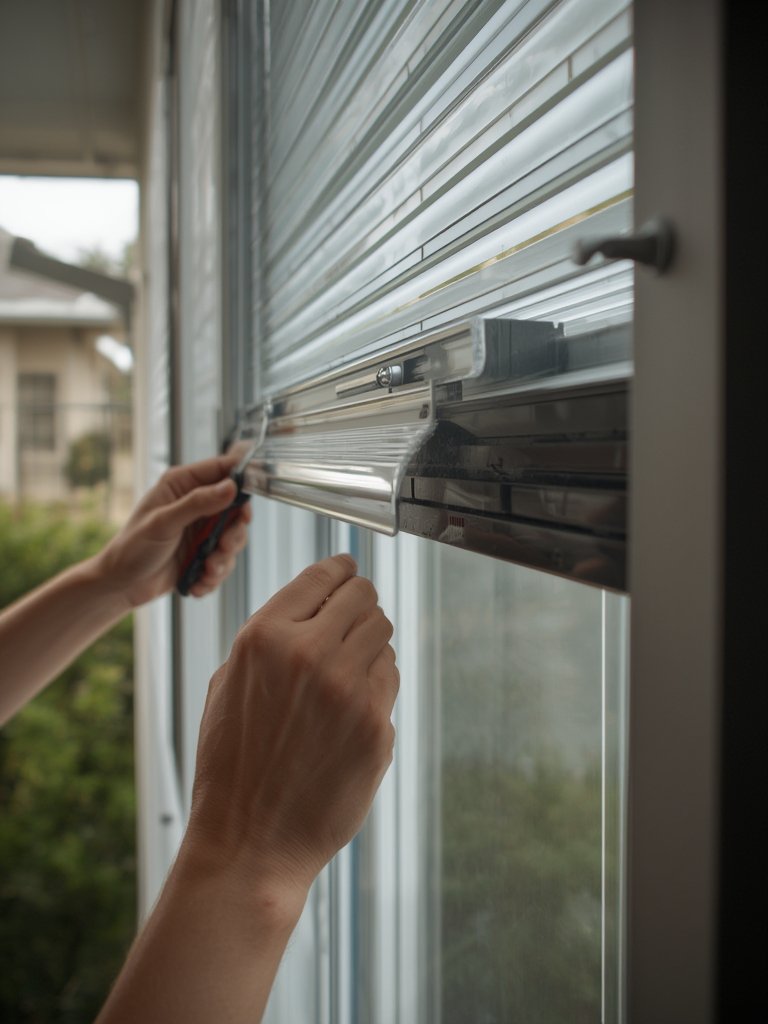
Don’t forget, some removable systems like polycarbonate need sun protection during storage to reduce UV damage. For a breakdown of which materials last longest or offer the best value, see our guide on aluminum vs. polycarbonate hurricane shutters.
Analysis & Common Pitfalls of Hurricane Shutters Alternatives
Not every alternative offers a flawless experience. Based on recent user reports and market data:
- Storage is a Real Issue: Removable storm panels require storage space—often overlooked until after purchase.
- Installation Difficulty: Storm panels are awkward to install, especially solo. Most homeowners overestimate their ability to deploy all panels quickly under time pressure.
- Maintenance Concerns: Polycarbonate yellows and can become brittle after several seasons in the sun. Fabric tears and weakened seams are common if not stored properly. Regular annual inspection is a must for all alternatives.
- Code Compliance Varies: While most major options meet Florida Building Code, not all off-the-shelf products do. Always confirm code certification—critical for both insurance and safety.
- Hidden Costs: While alternatives cost less upfront, labor for professional installation and long-term replacement (especially polycarbonate) can add up. Impact-rated windows, while expensive, are zero-maintenance but lack the security of shutters after storms.
Here’s a direct cost and durability comparison for 2024:
| Product Type | Initial Cost per sq ft | Long-term Notes |
|---|---|---|
| Storm Panels (removable) | $5-$20 Source | Low upfront; storage/install recurring; basic protection |
| Accordion Shutters | $15-$25 | Durable; quick operation; long-term savings on insurance Source |
| Roll-down Shutters | $20-$60 | Automated options available; most convenient but high cost |
| Fabric Shutters | Lower than metal/polycarbonate | Easy to handle; may wear over time; good for rapid install |
| Impact Windows | Significantly higher | No shutter-like security; zero prep needed before storms |
Other commonly missed details:
- Warranty terms are often unclear or missing for alternatives. Clarify in advance for fabric and polycarbonate panels.
- Compatibility with historic homes is rarely addressed. Bahama shutters look authentic but most panels do not match classic exteriors.
- Ease of emergency deployment can be hit or miss. Practice installation during calm weather to avoid rushed mistakes.
- Few alternatives offer lasting flood protection; they are primarily designed for wind and debris, not water intrusion.
- Environmental sustainability is an open issue—fabric uses less material per window, but metal and polycarbonate have higher footprints and shorter life cycles.
For an expanded list of user-reported problems, visit our page on common hurricane shutter problems and fixes.
Conclusion
The right hurricane shutters alternatives can deliver effective protection with lower price tags and greater flexibility, but only if you weigh the costs and logistical tradeoffs. Make sure to match your choice to your climate risks, budget, and willingness to prep when storms approach. For even more in-depth analysis and up-to-date tips, check our comprehensive guide to the best hurricane shutters in 2024 or get personalized advice from a trusted local installer. Do not wait until the next storm season to invest in real security—act today!
Frequently Asked Questions
Are fabric hurricane shutters as strong as metal panels?
High-quality fabric shutters are engineered to meet stringent safety codes for wind and debris, similar to metal storm panels. However, metal may offer slightly more impact resistance in repeated severe storms. Always confirm with the supplier that the product meets local building codes.
What is the cheapest hurricane protection for windows?
Removable storm panels (aluminum or steel) are typically the cheapest solution upfront at $5-$20 per sq ft. Fabric screens can also be affordable for DIYers but may have higher replacement costs if not maintained.
Do removable hurricane shutters lower home insurance?
Yes. Most insurance companies provide premium discounts for any code-compliant window protection system. There is no clear distinction between permanent and removable types if they pass local building codes.
How do I store removable storm panels?
Store storm panels in a dry, accessible location such as a garage or shed. Label each panel for its corresponding opening with permanent marker for fast deployment ahead of a storm. Protect polycarbonate panels from sunlight during storage to prevent yellowing.
What are the downsides of hurricane shutters alternatives?
Alternatives often require more manual preparation and storage between storms. Some materials (like polycarbonate) can degrade over time, and installation can be cumbersome. Always practice setup in advance for a smoother experience during emergencies.