

Cool roof shingles are transforming how homeowners tackle rising energy bills and summer heat, offering a straightforward strategy to lower cooling costs—if you know when and how to use them.
Key Takeaways
- Cool roof shingles can reduce annual cooling costs by 7% to 35.7% but are best suited for warmer climates.
- Effective installation involves careful shingle selection, proper ventilation, and attention to local climate and codes.
- Not every region benefits; in colder areas, cool roof shingles may actually raise heating expenses.
- What Are Cool Roof Shingles And Why Use Them?
- How To Install Cool Roof Shingles (Step-By-Step Guide)
- Advanced Analysis & Common Pitfalls
- Conclusion
- FAQ
What Are Cool Roof Shingles And Why Use Them?
Cool roof shingles are specially engineered roofing materials designed to reflect more sunlight and absorb less heat compared to traditional asphalt shingles. Their surface granules use advanced pigments and technologies to achieve a higher Solar Reflectance Index (SRI), meaning they can reflect more sunlight, depending on color and material.
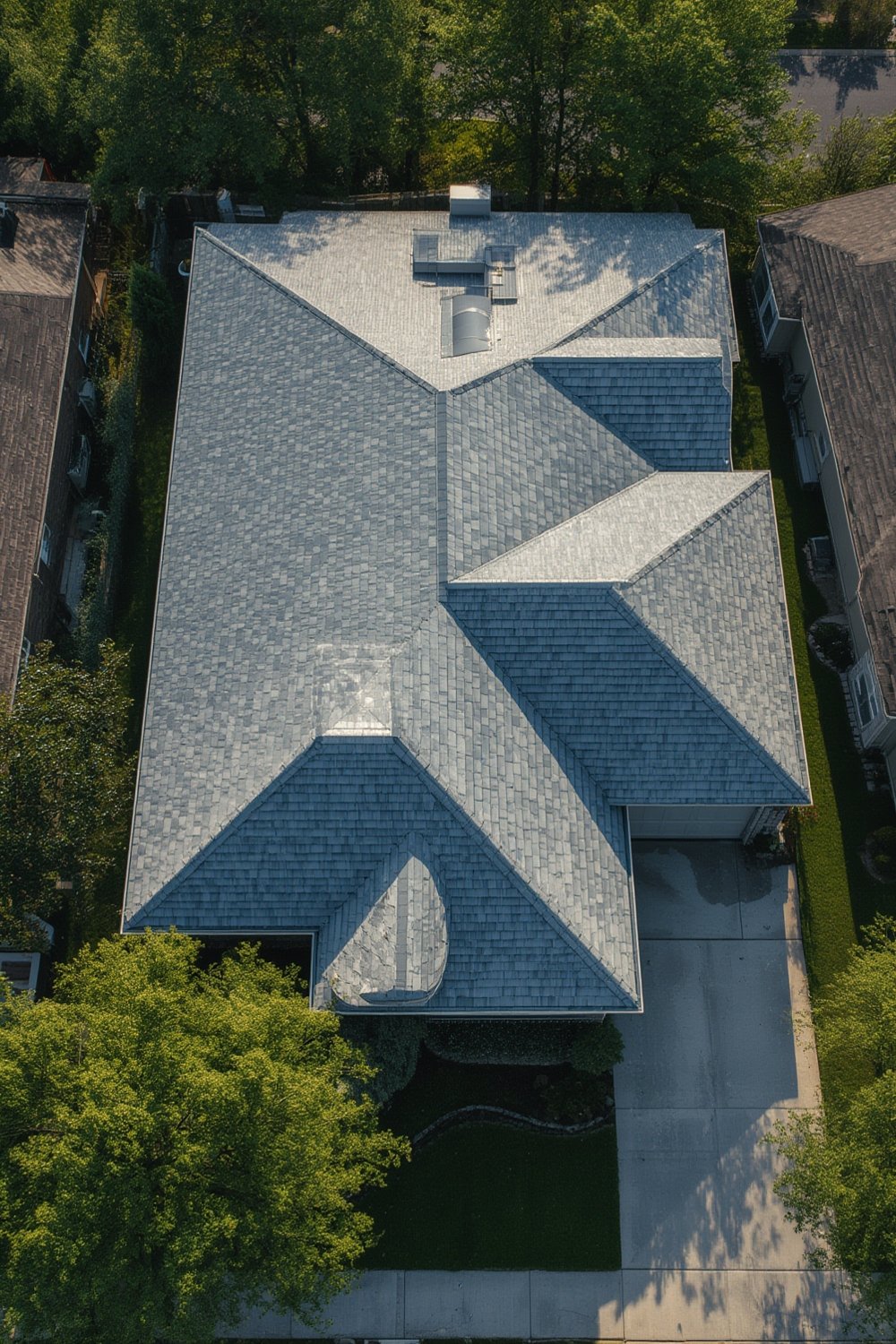
The result? Reduced heat transfer into your attic, which keeps indoor temperatures down and lowers the workload on your air conditioner. For homeowners in warm regions like Texas, California, or Florida—especially those in Climate Zones 1, 2, and 3—this translates into annual cooling savings of 7% to 35.7%. On the flip side, using cool roof shingles in colder climates (like Minneapolis) may backfire, leading to higher heating bills in winter.
Cool roof shingles usually come in lighter shades prepared with solar-reflective granule technology. Some cities, such as Los Angeles, already require or incentivize their use through strict building codes as seen in California Title 24 standards.
For a closer look at reflective technology, applications, and real-world energy savings, check out this in-depth roofing trends report for 2024.
How To Install Cool Roof Shingles (Step-By-Step Guide)
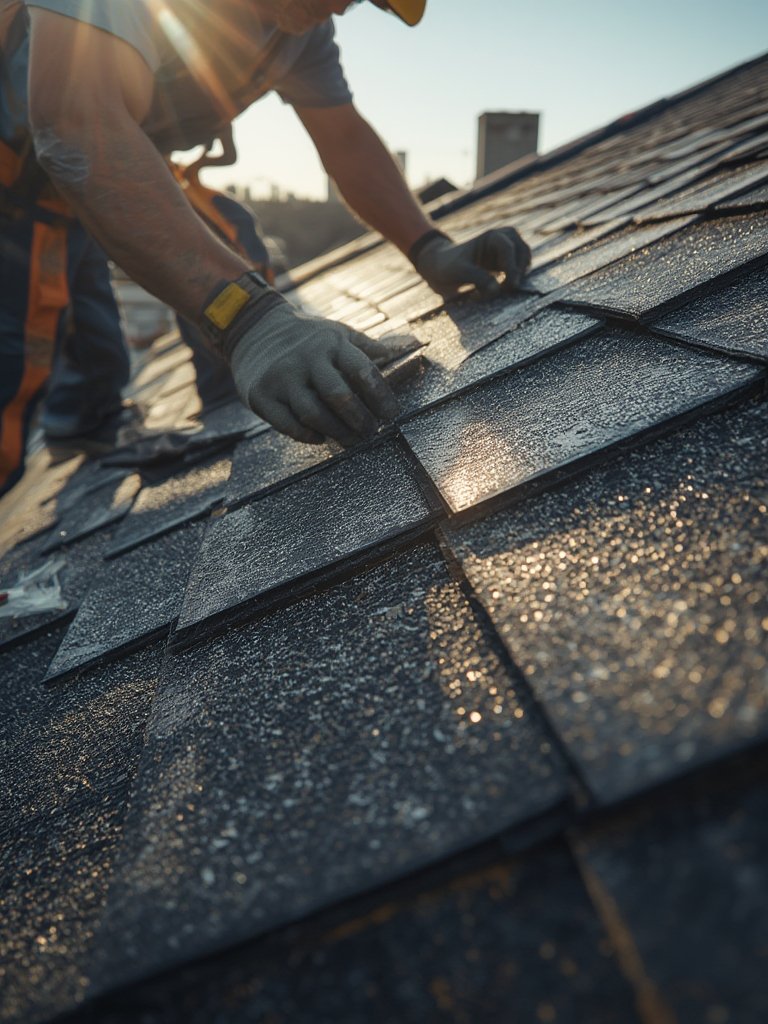
Switching to cool roof shingles requires more than just swapping out old shingles for shiny new ones. A methodical, code-compliant approach means higher efficiency, fewer issues, and the best return on investment.
- Assess Local Code Requirements and Incentives
Check if your area requires cool roof materials or offers rebates. California, for instance, offers both incentives and mandates for certain homes. Wayne, Los Angeles, and Miami-Dade have specific SRI minimums. For more on regulations, visit our roofing codes compliance guide. - Choose the Right Cool Roof Shingles
Select shingles with proven SRI ratings above .55 (the higher, the better). Light-colored shingles often outperform darker options in terms of reflectance. Many leading shingle brands now feature cool granule technology. - Remove Existing Roofing Materials
Strip off all old shingles and underlayment down to the decking. Inspect for moisture damage and repair as needed. Learn more in our shingle roof removal cost guide. - Install High-Quality Underlayment
Use breathable, water-resistant underlayment to pair with cool shingles for maximum performance. - Upgrade Attic Ventilation
Proper ventilation (ridge vents or gable vents) prevents heat buildup, boost shingle effect, and reduces risk of moisture damage. For more, read attic ventilation benefits. - Install Cool Roof Shingles
Follow manufacturer guidelines for nailing pattern, overhang, and shingle alignment. Seal around chimneys and penetrations to avoid leaks. - Post-Installation Inspection
Double-check the system for gaps, misaligned shingles, and proper flashing. Improper installation can void both material warranties and potential rebates.
Advanced Analysis & Common Pitfalls
Cool roof shingles offer clear benefits in the right context—but ignoring climate, installation best practices, and code compliance can backfire.
- Regional Climate Mismatch: Using high SRI shingles in cold climates (like Minneapolis) can increase annual heating expenses, since homes lose the passive heat gain from the sun in winter.
- Aesthetic and Color Limitations: Cool shingles tend to be lighter in color, which may not match every architectural style. While options are increasing, selection is still not as broad as traditional dark shingles.
- Rebate and Code Confusion: Mandates, incentives, and eligibility can vary greatly from one city or county to the next. Homeowners often miss out on rebates or face fines for non-compliance due to misunderstood rules.
- Installation Mistakes: Poor underlayment or attic ventilation neutralizes shingle benefits and can void warranties. Proper installation remains as important as material choice.
| Criteria | Cool Roof Shingles | Traditional Asphalt Shingles |
|---|---|---|
| Primary Benefit | Reduces cooling loads in hot climates | Wide color/style options; absorbs heat (helpful in cold) |
| SRI Value | Typically 0.55 or higher | 0.05 to 0.25 (much lower reflectance) |
| Best Fit Region | Hot/sunny climates; high AC use | Cold or mixed climates; high heating needs |
| Potential Downsides | Raises heating costs in winter; fewer color options | Makes homes hotter in summer; higher AC bills |
| Code/Tax Incentives | Some regions offer rebates/credits; some require use | Rarely incentivized; sometimes restricted by new codes |
If you want to dive further into energy efficiency strategies for your roof, see our comprehensive roofing guide for more technical breakdowns.
Conclusion
Cool roof shingles are an effective, proven way to reduce cooling expenses and boost home comfort in hot climates—if used correctly. They work best in regions with long cooling seasons and high AC demand. Always match your shingle strategy to your climate zone, verify local rebates and requirements, and execute flawless installation to ensure you get the best value. When in doubt, explore our roofing FAQ resource for more on maximizing the benefits of cool roofing.
Ready to take control of your energy bills? Discover if cool roof shingles could work for your home by consulting an expert or contacting our team today.
FAQ
What are cool roof shingles and how do they work?
Cool roof shingles are asphalt or composite shingles designed to reflect sunlight and release absorbed heat, reducing roof surface temperature and home cooling costs. Their surface is treated with solar-reflective granules or pigments, enabling them to reach SRI values over .55 in many cases.
When should I consider using cool roof shingles?
These shingles are ideal for homes in hot, sunny climates—Climate Zones 1, 2, and 3—where cooling days far exceed heating days. If you live somewhere with long, hot summers, cool roof shingles can deliver significant energy savings.
Are cool roof shingles worth it in colder climates?
No. In cold northern climates, cool roof shingles could actually increase annual energy expenses by reducing beneficial winter heat gain from sunlight. It is not recommended to use them in Climate Zones 4–7 unless your home has unusually high summer cooling needs.
Do cool roof shingles qualify for rebates or tax credits?
In many regions (like California), yes—there are incentives and sometimes mandates for using cool roofing products. Always check with your local building department and utility for updated incentive details before buying.
How do I maximize the efficiency of my cool roof shingles?
Pair your cool shingles with proper attic ventilation (ridge, soffit, or gable vents), use compliant underlayment, and ensure professional installation to maximize efficiency and durability.