
Home alone house remodel projects capture the imagination of both movie buffs and homeowners. Few residences are more legendary than the McCallister home from “Home Alone.” If you’ve ever dreamt of replicating that iconic 1990s warm, festive aesthetic—or simply curious about how to pull off a film-inspired renovation—read on. This guide combines actionable steps, modern updates, and crucial caveats.
Key Takeaways
- Authentically recreating the “Home Alone” house goes beyond décor—true success means balancing the original style with modern comfort, and sourcing materials that echo the film’s spirit.
- The biggest challenge isn’t cost, but accurately capturing details from the movie, since most interior scenes were Hollywood sets, not shot on location.
- Fans of movie-themed remodels often face backlash if the cinematic charm is lost—striking the right balance is essential.
- The Core Concept: What Drives a Home Alone House Remodel?
- Step-by-Step Guide: Bringing the Home Alone House to Life
- Advanced Analysis & Common Pitfalls
- Conclusion
- FAQ Section
The Core Concept: What Drives a Home Alone House Remodel?
Remodeling your home to mimic the “Home Alone” house is more than a passing trend. It’s about nostalgia, storytelling, and creating a welcoming space that actually feels like a home rather than a set. The iconic red-brick Georgian at 671 Lincoln Avenue, Winnetka, IL, offers design lessons beyond Christmas: think traditional layouts, warm palettes, and that unforgettable grand staircase.
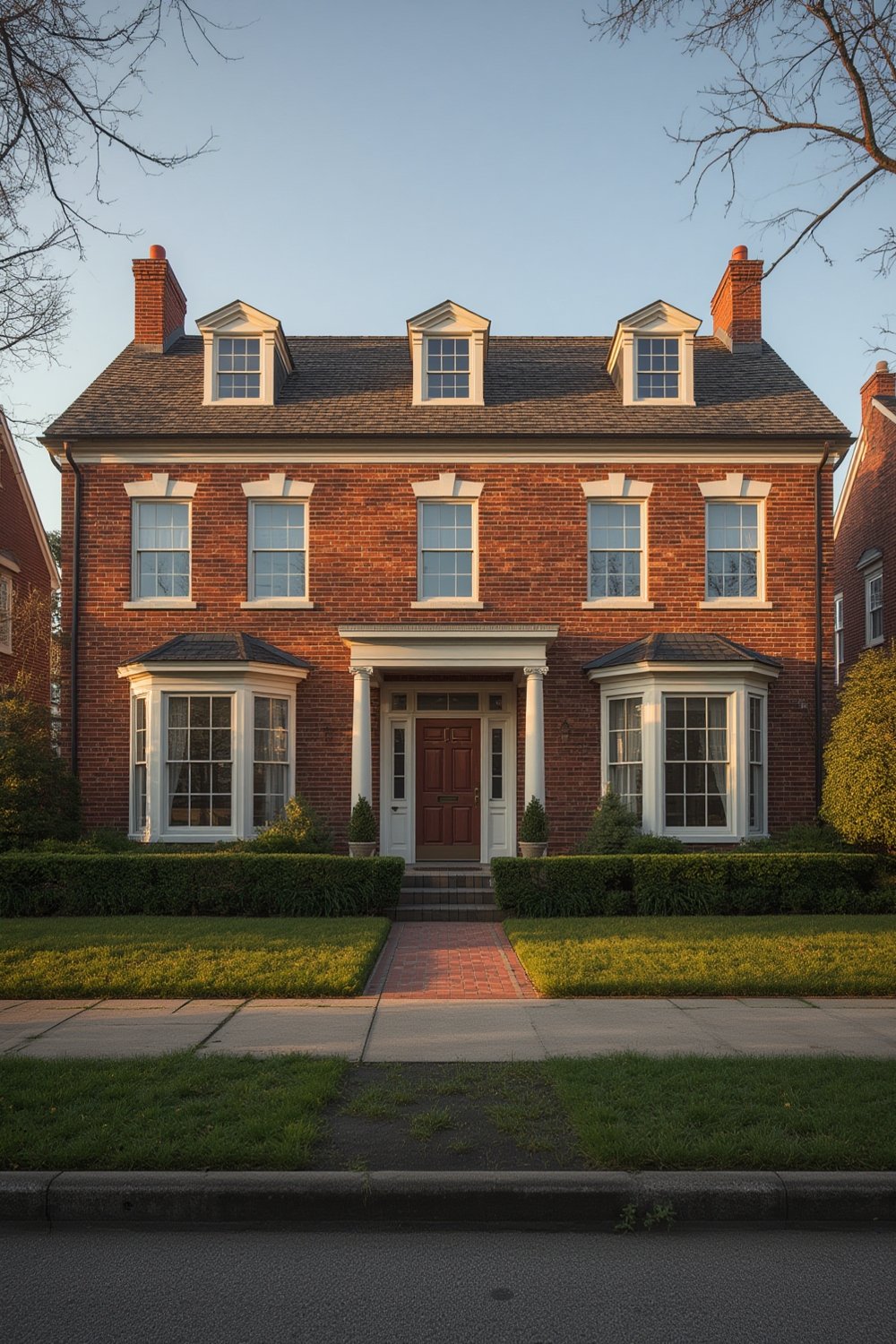
But translating a movie look into a real, livable space isn’t as simple as copying screen shots. Since many of the film’s interiors were actually sets built off-site, renovators must balance what’s possible with what’s real. Today’s remodels often blend original 1990s elements—like the staircase and entryway—with upgrades such as open-concept kitchens, modern appliances, and sustainable materials. The result is a functional, beautiful home that references the past while embracing the present.
Beyond personal enjoyment, there’s a trend of using themed remodels to boost curb appeal and differentiate homes on the market. But achieving cinematic magic while remaining practical can present unique challenges, from sourcing period-specific décor to balancing modern building codes.
Step-by-Step Guide: Bringing the Home Alone House to Life
Transforming your home into a “Home Alone” homage requires strategy and staged planning. Here’s a tactical approach to ensure your remodel is both true to the movie and fits today’s lifestyle.
1. Analyze the “Real vs. Reel” Layout
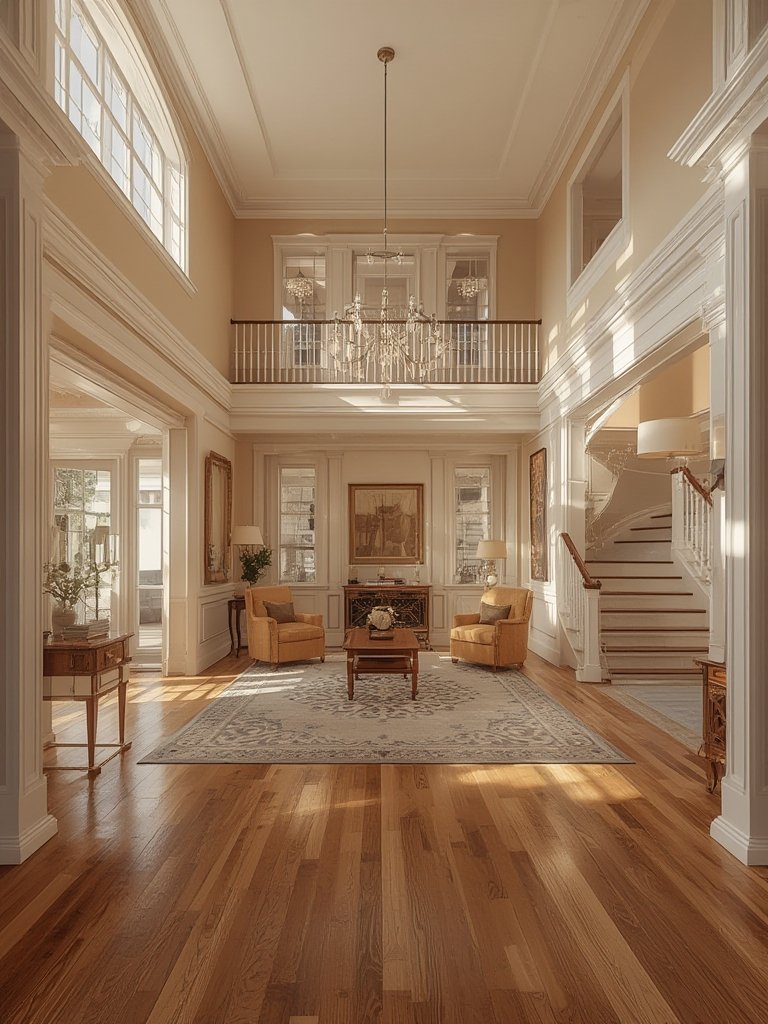
Start by studying reference photos and video tours of the actual Home Alone house and scenes from the film. Recognize that while the facade matches, most interior shots were sets. Aim to recreate the recognizable features: central staircase, open entry hall, and symmetrical window placements. The house’s real floor plan offers a traditional structure—five bedrooms, six bathrooms, spacious foyer—but feel free to tailor to your own square footage and needs.
2. Nail Down the Color Palette & Materials
The film’s look hinges on rich, warm hues (deep reds, forest greens, cream trim), brass fixtures, stained wood, and classic wainscoting. If sourcing real antiques frustrates, consider high-quality reproductions or sustainable alternatives (like pre-finished engineered wood, eco-friendly paints, and LED fixtures retrofitted to period shapes).
3. Prioritize Iconic Spaces
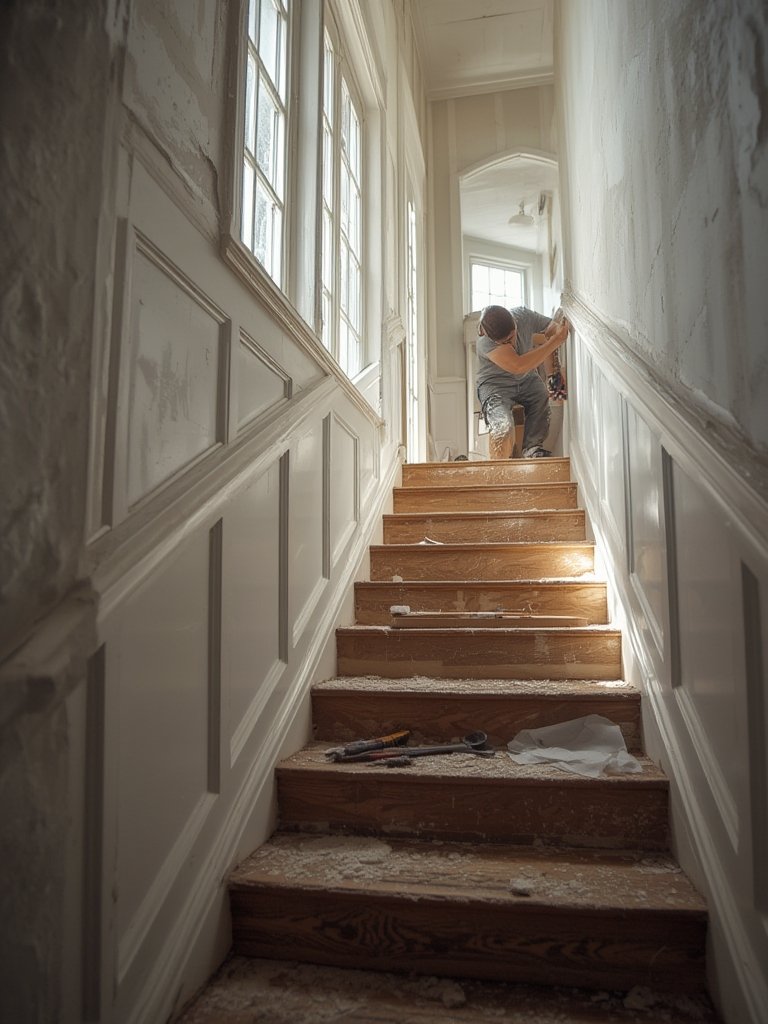
Don’t try to copy every film detail. Instead, choose a few high-impact areas: the grand staircase, living room mantels, or the kitchen’s arched doorways. In the actual 2018 remodel, owners upgraded to a double-island kitchen, marble bath, and home theater, blending movie nostalgia with convenience. For most remodelers, upgrading cabinetry, tile backsplashes, and hardwood floors delivers the look—and utility—without overextending budget.
4. Modernize Where It Matters
If you crave movie magic, don’t sacrifice your comfort. Incorporate open-plan gathering zones as seen in the recent real estate listing, add discreet smart home tech, and use double- or triple-pane windows for better efficiency without losing window grid style. Thoughtful landscaping—like boxwood borders and a welcoming front walk—will bring curb appeal, though the lush backyard depicted in recent sales is largely a modern addition.
5. Source Decor & Furnishings
Replicating film set props is tricky, as Hollywood designs are often unavailable for retail. Use online marketplaces, antique fairs, and manufacturers specializing in ’90s reproductions. To achieve authentic holiday cheer, stock up on battery-operated candles, classic wreaths, and vintage ornaments. For daily living, use plush, timeless furnishings—just steer away from ultra-modern trends, which can undermine the “Home Alone” vibe.
6. Budget Realistically—And Expect Overages
While there’s no universal figure, a full-scope remodel aiming to closely mimic the Home Alone house—interior and exterior—could easily require a mid- to high six-figure budget. The actual house sold for $5.5 million after substantial renovation, but these numbers reflect luxury upgrades and market value, not just labor or materials costs. Get multiple contractor estimates, and always allow contingency for surprises—especially when upgrading homes built before the 2000s.
Advanced Analysis & Common Pitfalls
Even the best-planned home alone house remodel can hit snags. Here’s what savvy renovators should watch for—and the hard lessons learned from the real-life McCallister home (and its fans).
Common Pitfalls When Remodeling for a Movie Look
- Overprioritizing Appearance vs. Comfort: Sacrificing practicality for accuracy can lead to an uncomfortable, hard-to-resell space.
- Expecting Exact Matches: Because much of the on-screen Whimsy was set design, not reality, even the real house couldn’t match the film’s interiors.
- Neglecting Modern Codes: Sourcing period-accurate moldings or paneling is one thing, but codes for wiring, insulation, and safety must be met.
- Ignoring Fan Backlash: The infamous 2018 overhaul sparked outcry for erasing “cinematic warmth”—but for daily living, cold grays may be more practical.
- Hidden Costs: Historic facades and plasterwork often hide plumbing, wiring, and HVAC expenses that eclipse decorative budgets.
Real Home vs. Film Set: Feature Comparison
| Feature | Film Appearance (1990s) | Real House (2018-2025) |
|---|---|---|
| Entry Hall & Staircase | Warm reds, ornate banisters, classic runner | Banisters retained, colors modernized (currently being reverted) |
| Kitchen | Traditional closed kitchen, floral wallpaper | Open-plan, double islands, Sub-Zero & Wolf appliances, marble surfaces |
| Decor & Molding | Heavy drapes, crown molding, rich woods, festive décor | Clean moldings, gray/neutral paints (set for restoration to film palette) |
| Basement | “Creepy” unfinished set | Luxury rec room, new fireplace, laundry |
| Bedrooms | Pastel colors, personal touches | Spa baths, serene colorways, walk-in closets |
What the Competition Doesn’t Show
- Floor Plans & Layouts: Reliable floor plans for the actual house are hard to find, leaving most remodelers to improvise from property listings and frame-by-frame movie analysis. Consider reaching out to local Chicago-area realtors specializing in Georgian homes for more accuracy.
- Exterior Landscaping Tips: While the brick facade is key, don’t neglect mature shrubs, welcoming porch steps, and clear, direct walkways common to the home’s appearance. Adding a modern patio or sunroom can blend movie nostalgia with today’s lifestyle, as seen in the real home’s latest upgrades.
- Functional Upgrades: Internal features like heated garages, security cameras, and a basketball court are never depicted in the movie but provide huge benefits and are a nod to the house’s post-film evolution. See our overview of functional modern upgrades for classic homes.
For further inspiration, check out these resources on creating your own iconic holiday home and our period home restoration guide for deep dives on sourcing period fittings and décor strategies.
Conclusion
Tackling a home alone house remodel means far more than copying what you see on screen. You’re balancing nostalgia with practical realities, and the best projects are those that respect both. Take design cues from the McCallister home’s rich colors, grand staircase, and inviting layouts, but be smart about which features to replicate and which to modernize. With careful planning, you can create a home that’s both timeless and truly livable—and that even film purists will admire.
Ready to start your own home alone house remodel? Explore our classic home renovation checklist and connect with experienced contractors who specialize in film-inspired transformations.
FAQ Section
How much does it cost to remodel a home to match the Home Alone house?
No specific 2024 costs exist, but a high-quality, film-inspired remodel could run into the mid- or high-six-figures. The house’s recent $5.5 million sale reflects overall market value after extensive updates, not the direct remodel price. Always get several contractor estimates.
What design elements are essential for an authentic Home Alone look?
Focus on warm reds, greens, and cream accents, a grand staircase, classic woodwork, symmetrical gardens, and plenty of holiday touches. Use high-quality reproductions for trim and fixtures to balance authenticity with budget.
Can I blend modern conveniences without losing the vintage charm?
Absolutely. Many successful renovations incorporate open kitchens, updated bathrooms, and discreet smart tech alongside period colors and moldings. Aim for harmony rather than strict replication.
What’s the biggest challenge with a themed remodel like this?
Sourcing accurate materials and furnishings is tough—especially when film interiors were created as sets. Expect to compromise. Engage with specialty craftsmen or restoration suppliers for the best results.
How did fans react to the recent renovation of the real Home Alone house?
Fans criticized the 2018 gray modern renovation, feeling it erased the movie’s warmth. The new 2025 owners are restoring classic colors and details, hoping to recapture the original cinematic magic.