
Basement flood prevention system is not just a luxury—it’s a necessity for millions of homeowners facing unpredictable weather and rising water tables nationwide.
Key Takeaways
- Most American basements are at risk: 98% will experience some water damage during their lifetime.
- Integrated systems combining sump pumps, drain tiles, and sensors offer the best chance to prevent costly basement floods.
- Preventative measures can avoid average water damage restoration bills of $4,250 or more [source].
- The Core Concept: What Is a Basement Flood Prevention System—and Why Use One?
- Step-by-Step Guide: Building a Reliable Basement Flood Prevention System
- Advanced Analysis & Common Pitfalls
- Conclusion
- Frequently Asked Questions
The Core Concept: What Is a Basement Flood Prevention System—and Why Use One?
A basement flood prevention system is a group of solutions that work together to keep water out of your basement. This system might include a sump pump, interior drain tile, waterproofing membranes, and smart flood sensors. The goal is to intercept water before it causes lasting damage and expensive repairs.
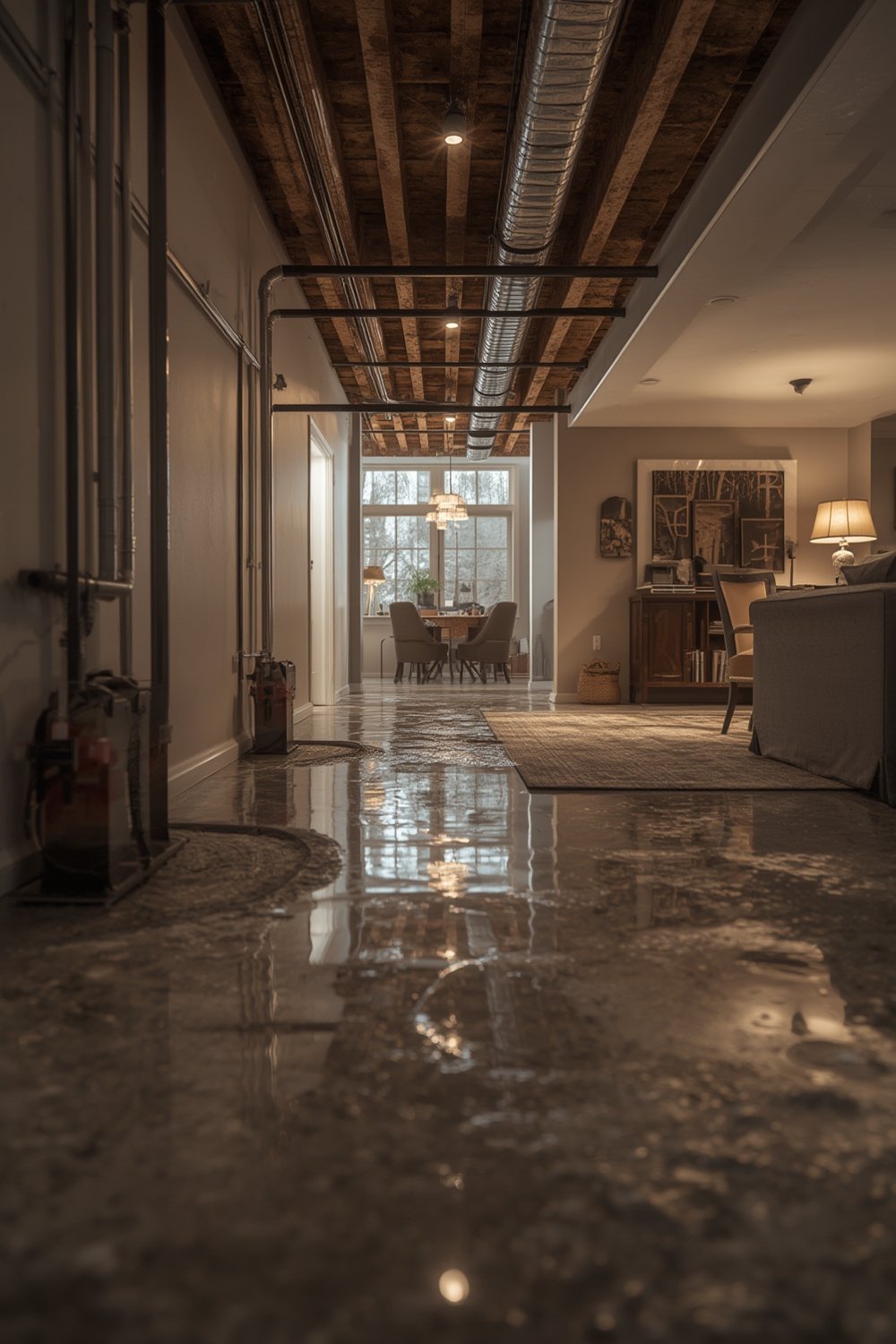
Planning for basement water risk is critical because the odds are stacked against most homeowners. According to industry statistics, 98% of all U.S. basements will face some form of water damage during their lifetime [source]. Extreme weather and flooding events are becoming more common, which puts even homes outside designated floodplains at risk. If you are considering finishing your basement or storing prized possessions downstairs, installing a robust prevention system can save you thousands on future restoration work [source].
Beyond monetary losses, the aftermath of a flood can involve mold growth, ruined infrastructure, and hazardous air quality. Ignoring small leaks may lead to costly, multiplying damage below the surface, sometimes requiring total floor replacement or even risking foundation integrity. Acting early equips you with peace of mind and preserves your home’s value.
Step-by-Step Guide: Building a Reliable Basement Flood Prevention System
Building a robust flood prevention system isn’t just about installing a single device. For lasting protection, you need a layered approach. Here’s how to get started:
-
Assess Your Basement’s Risk Level
Check for signs of dampness, visible cracks, or signs of previous flooding. It’s a good idea to check your local floodplain maps and ask neighbors about any known drainage issues. Learn how to detect hidden leaks in foundations. -
Install or Upgrade a Sump Pump System
If you don’t already have a sump pump basin, have one installed at the lowest point of the basement. Opt for a cast iron or thermoplastic sump pump for durability, ensuring it has a battery or water-powered backup in case of power failure during storms. -
Add Interior drain tile
Interior drain tile (a perforated pipe installed under the basement floor perimeter) routes water to the sump pump before it can reach your finished floor. Always use high-quality gravel and filter fabric to minimize clogs. Learn more about perimeter drain installation. -
Apply Waterproofing Membranes to Walls
Roll-on or sheet membranes applied directly to the concrete block or poured walls create a waterproof barrier. Careful preparation is crucial—surface must be dry, clean, and free of efflorescence. See recommended waterproofing paint options. -
Integrate Flood Sensors and Remote Alerts
Smart water sensors placed near the sump pit, and at any previous leaking points, will alert you immediately if water is detected. Some models integrate with security systems for automated responses. Step-by-step flood alarm installation guide. -
Maintain Gutters, Downspouts, and Grading
Even the best basement system can be overwhelmed if exterior drainage is neglected. Keep gutters clear, extend downspouts at least six feet from the foundation, and slope soil away from the house. Read about proper yard grading.
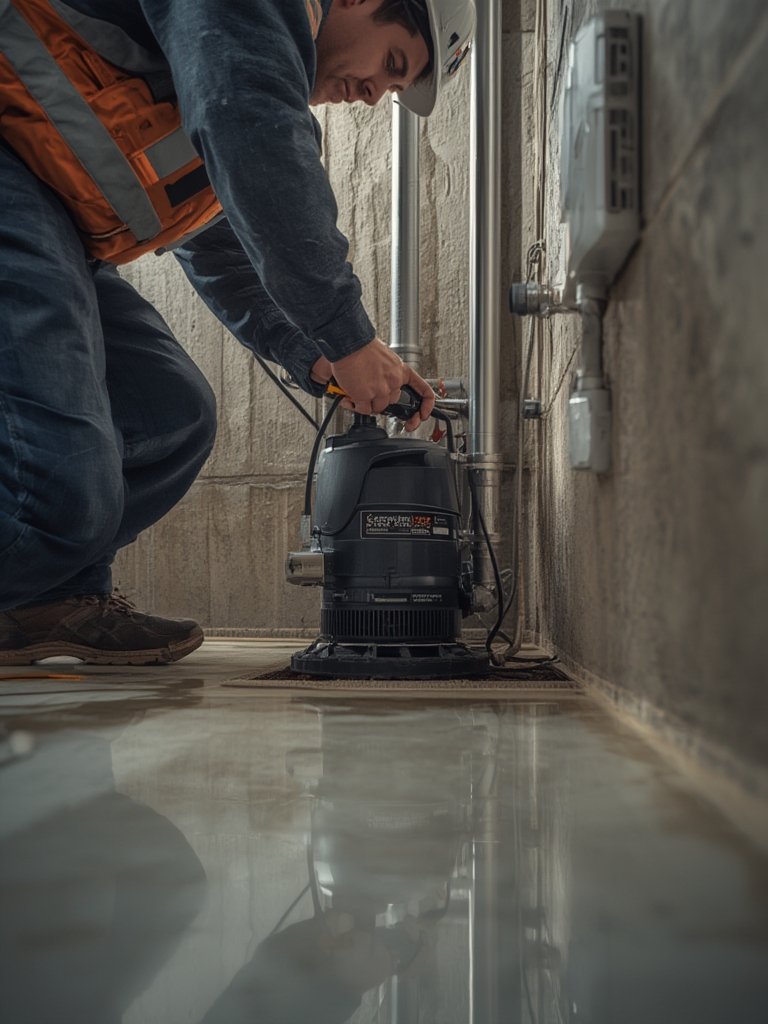
Remember, a combination of active (pumps, alarms) and passive (membranes, drains) solutions is the only way to ensure redundant protection. This layered approach is especially important in areas with frequent storms or aging municipal stormwater systems.
Advanced Analysis & Common Pitfalls
Not every basement flood prevention system is foolproof. Homeowners often face setbacks due to incomplete installation, poor maintenance, or unrealistic expectations of “zero risk.” Below are the most common pitfalls identified from industry reports, plus a direct comparison of restoration versus prevention costs.
- Inadequate Backup Power: Many sump pump failures happen during power outages. Relying on a single electrical unit leaves your basement vulnerable.
- Poor Drain Tile Installation: Incorrect slope, clogs, or missing filter fabric render the system useless and can allow water to bypass protection entirely.
- Delayed or Incomplete Waterproofing: Skipping wall membranes or only treating visible leaks can allow moisture to wick in from unseen points.
- Ignored Routine Maintenance: Sump pumps and sensors need annual maintenance. Neglected systems are more likely to fail without warning.
- Unrealistic Expectations: Even the best system cannot guarantee absolute protection—there are always edge-case storms or groundwater shifts.
| Scenario | Average Cost per Incident | Prevention System Investment |
|---|---|---|
| Water Damage Restoration | $4,250 [source] | $1,000–$10,000 (one-time) |
| Basement Flood (Heavy Storm) | $29,000–$38,000 [source] | Same as above |
For most homes at risk (an estimated 14.6 million across the U.S. [source]), investing in prevention is far more economical than recovering from even a single serious flood.

Conclusion
Protecting your basement should be proactive, not reactive. A comprehensive basement flood prevention system combines mechanical, structural, and technological elements to keep your home dry. While no solution guarantees total security, the right multi-layered approach will dramatically reduce risk, protect your investment, and provide peace of mind. Start assessing your own system today and take meaningful steps before the next downpour. Need help? Contact an expert or check our Ultimate Basement Waterproofing Checklist for more guidance.
Frequently Asked Questions
How often should I test my basement flood prevention system?
You should test all pumps, backup batteries, and sensors at least every six months. Also, inspect during heavy rain and make sure alarms are working. Regular checks are key to reliability.
Will my homeowner’s insurance cover basement flood damage?
Standard homeowner’s insurance usually excludes water that enters from the ground unless you have added a separate flood insurance policy. Review your coverage and ask your agent about limitations.
What’s the difference between interior and exterior waterproofing?
Interior systems (like drain tile and sump pumps) manage water after it enters the foundation. Exterior waterproofing uses membranes and drains on the outside to block water before it gets inside. Combining both is often best.
Can I install a basement flood prevention system myself?
DIY installation is possible for certain steps like installing water sensors or applying waterproofing paint. However, tasks like sump pump installation or cutting concrete for drain tile should be handled by professionals for safety and code compliance.
What are signs my current flood prevention system is failing?
Common warning signs are pump cycling frequently or not at all, water stains on walls, musty odors, or alarms that don’t trigger during water events. Address any issue immediately to avoid catastrophic failure.