

Bidirectional EV charger technology is transforming how electric vehicles interact with homes and the energy grid, offering not just charging but also the potential to power your house or even sell energy back to the grid.
Key Takeaways
- Bidirectional EV chargers enable both vehicle-to-grid (V2G) and vehicle-to-home (V2H) applications, creating new options for energy resilience and savings.
- Residential adoption is surging, especially in Europe and Asia-Pacific, but technical, regulatory, and cost challenges remain.
- Homeowners must plan for compatibility, installation, permitting, and evolving standards to get the most from bidirectional charging.
- What Is a Bidirectional EV Charger? Why Are They Gaining Traction?
- How to Install and Use Bidirectional EV Charging at Home: Step-by-Step Guide
- Advanced Analysis & Common Pitfalls: What to Watch Out For
- Conclusion
- Frequently Asked Questions
What Is a Bidirectional EV Charger? Why Are They Gaining Traction?
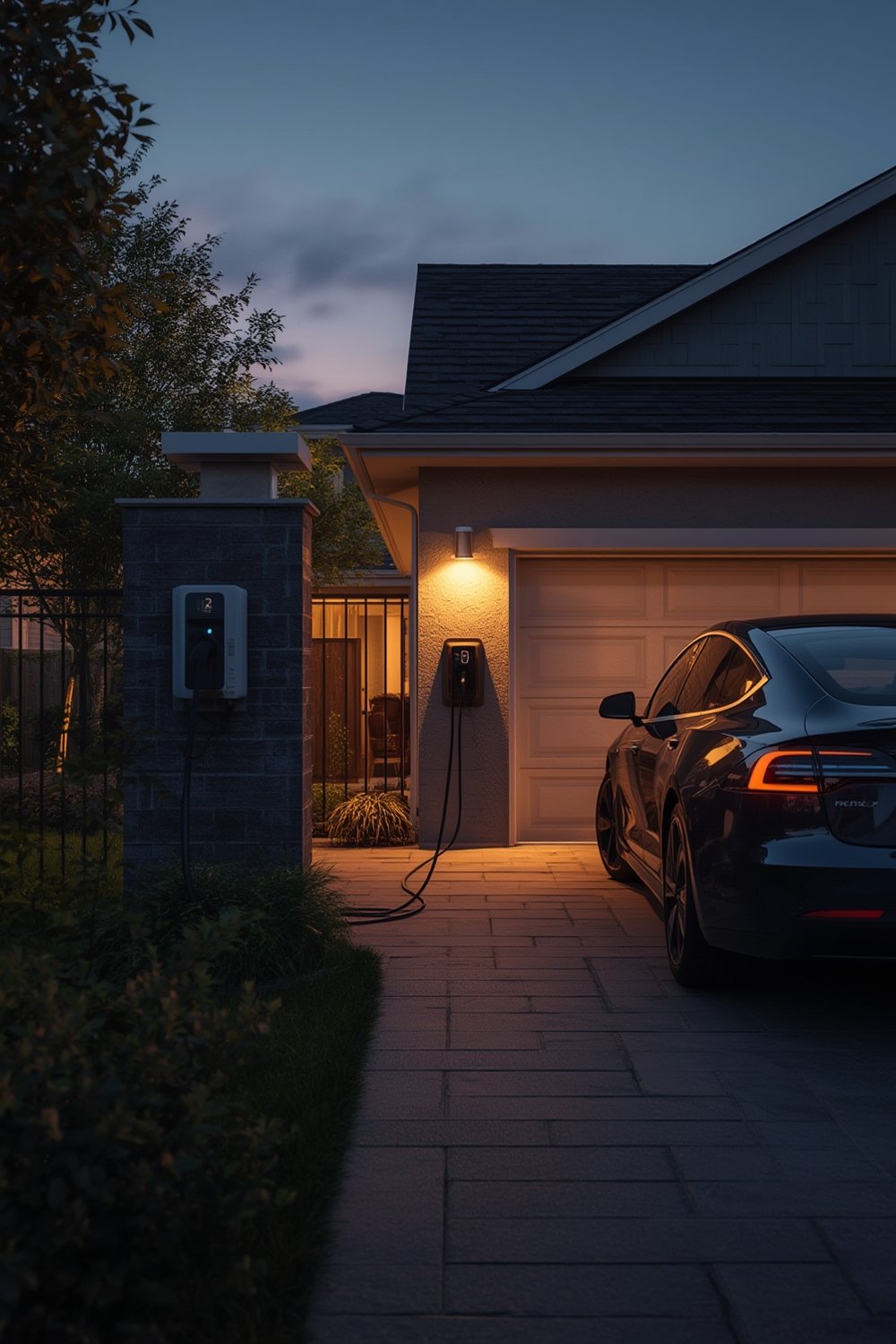
A bidirectional EV charger allows energy to flow both ways: from your home’s electrical system into your electric vehicle (EV), and back from your EV battery into your home or, in some cases, the local power grid. This flexible technology supports several real-world use cases:
- Vehicle-to-Grid (V2G): Sell stored energy from your EV to the grid during peak demand.
- Vehicle-to-Home (V2H): Use your EV as a backup battery during outages or to optimize energy costs.
- Vehicle-to-Load (V2L): Power tools and appliances directly from your car, valuable for emergencies or events.
Adoption is soaring in Europe and Asia Pacific, driven by strong government incentives and advanced grid integration pilots. According to recent reports, the global bidirectional EV charging market hit USD 1.4 billion in 2024, with projections of $12.5–14.5 billion by 2034. Residential applications now dominate, and regulatory frameworks like Germany’s new reforms are unlocking mainstream V2H and V2G participation.
How to Install and Use Bidirectional EV Charging at Home: Step-by-Step Guide
- Check Vehicle Compatibility: Not all EVs support bidirectional charging. Confirm your model supports V2H or V2G, and ensure firmware updates are current. As of 2024, models like Nissan Leaf, Mitsubishi Outlander, and certain Ford and Hyundai EVs offer support. Research manufacturer whitepapers or check vehicle-to-grid compatible EVs lists for up-to-date models.
- Research Local Regulations and Incentives: Cities and utilities increasingly require V2H installations to comply with special permitting and grid interconnection rules. Review your local utility’s site and explore any rebates, such as those summarized in our EV charging incentives guide.
- Choose a Certified Bidirectional Charger: Prioritize ISO 15118-compliant chargers that support your EV and local grid standards. Ensure your charging station is listed by a reputable testing authority. Use the features checklist in our EV charger buyer’s guide to compare models.
- Review Your Electrical Panel Capacity: A typical Level 2 bidirectional charger draws 30–50A, and V2H functions may increase total household amperage. Confer with a licensed electrician to assess whether you need a panel upgrade.
- Apply for Permits and Interconnection: Most US and UK municipalities require permits for installation and, in some areas, explicit utility interconnection approval. Plan for possible utility inspection windows of 2–8 weeks.
- Professional Installation: Never attempt a DIY install. Hire a certified installer with direct experience in bidirectional EV charging to handle wiring, commissioning, and safety protocols.
- Test and Configure Backup Settings: Calibrate the system using the charger’s app or interface (see how to set up V2H backup). Test transfer to home or grid backup mode, ideally simulating an outage with your electrician present.
- Monitor Ongoing Usage: Track power flows, set limits on battery cycling, and update firmware regularly for maximum system reliability. Use your utility’s web portal to verify grid export performance, where V2G participation is available.
Advanced Analysis & Common Pitfalls: What to Watch Out For
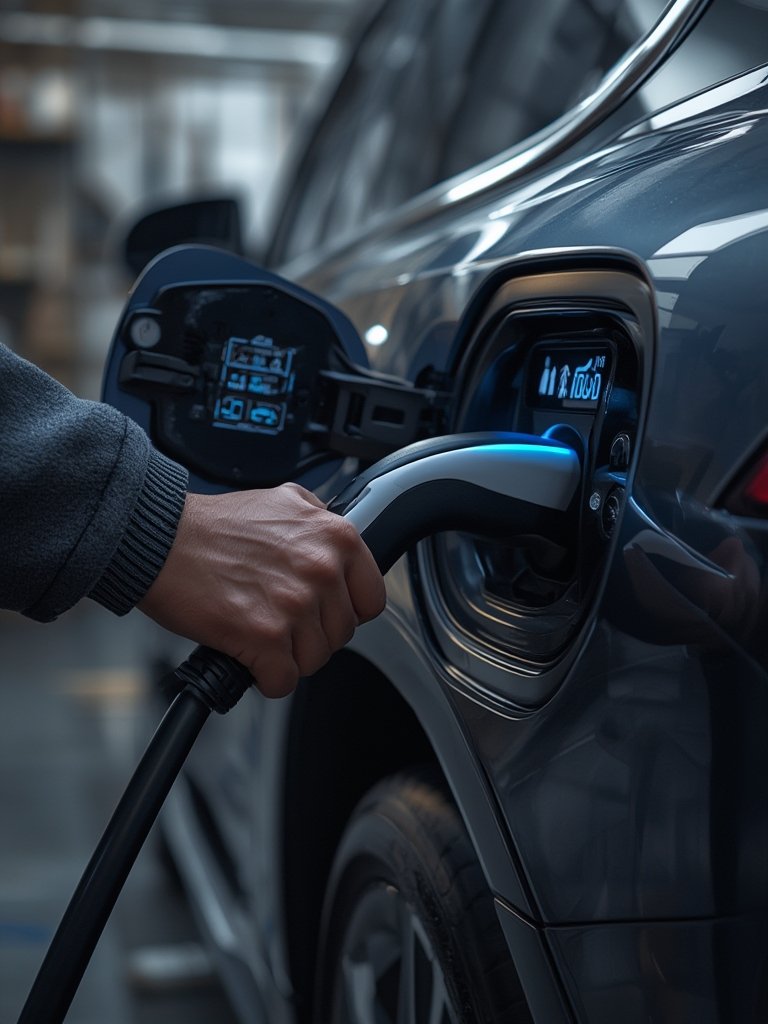
Adopting a bidirectional EV charger at home involves navigating several real-world hurdles, from unclear pricing to technical uncertainties. Here’s a breakdown based on recent research and field reports:
Key Pitfalls & Issues Homeowners Face
- Unclear Cost Structure: Hardware, installation, utility fees, and permitting costs can all add up. Many regions lack clear subsidies or transparent pricing from installers. Government incentives may be limited or sporadically available. See our EV charging cost breakdown for details.
- Home Electrical Limitations: Some older homes cannot supply enough current for both household needs and bidirectional charger operation without a major panel upgrade, increasing time and cost.
- Compatibility Gaps: Even if your EV is technically capable, not every charger, inverter, or utility program will fully support all V2H or V2G scenarios. Always check the fine print.
- Lack of Real-World Data: Little is published about battery degradation from frequent cycling, real backup duration, or actual charge/discharge efficiencies, making it tough to validate ROI or reliability claims. Real-world results may fall short of what’s claimed in manufacturer specs.
- Complex Permitting & Utility Rules: Approvals from utilities can be slow or ambiguous, especially in markets like the US and UK. Requirements may change as pilot programs evolve.
- Missed Maintenance: Firmware updates and charger re-calibration are overlooked but crucial for safe, long-term use and grid participation.
Market Leaders & Regional Differences (2024)
| Region | Residential Market Share | Notable Policies | Projected Growth |
|---|---|---|---|
| Europe (focus: Germany) | 40% (2024) | Bidirectional charging recognized as grid storage; owner compensation; streamlined licensing. | High, supported by regulatory reform and incentives |
| North America (focus: US) | 88% (of region), but pilot stage | State and local rebates, some state-level V2G projects, patchwork permitting | Significant, especially post-2025 |
| Asia-Pacific (focus: China) | 38% (region), 33% (China) | Mandates for EV integration; rapid electrification; strong smart grid support | Highest globally; rising quickly |
For an in-depth regional analysis, see Zion Market Research and the latest on Transparency Market Research.
Regulatory & Standards Watch
- Germany treats bidirectional charging like stationary storage, smoothing grid integration and payments (MarketsandMarkets).
- International standard ISO 15118 is essential for communication and safety. Not all brands provide full compliance, so check documentation and firmware versions.
- Asia-Pacific embraces strong zero-emission and smart grid investments, putting them ahead in regulatory clarity.
Conclusion
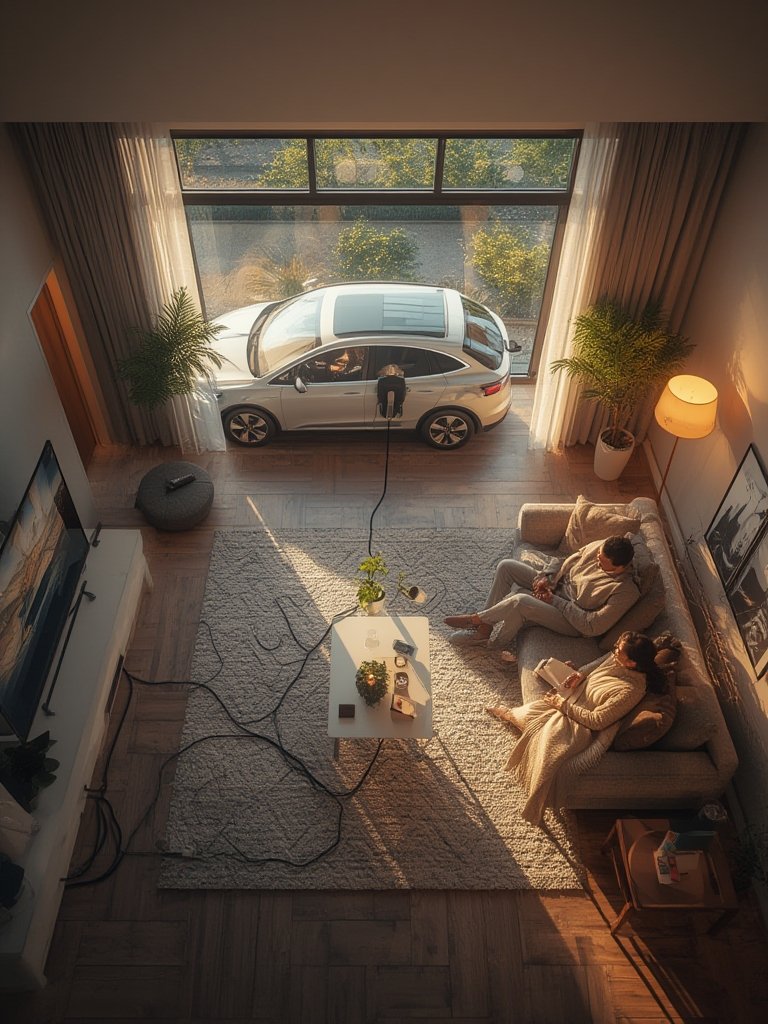
Bidirectional EV charger adoption is accelerating, but success depends on picking the right equipment, navigating local rules, and setting realistic expectations for both costs and system performance. If you want to turn your EV into a true home energy asset, start with compatibility research, electrical planning, and leverage our smart charging home automation tips for next-level efficiency. Don’t wait for the grid to change—be part of the shift. Explore our latest guides and discover how the bidirectional EV charger can future-proof your home.
Ready to upgrade? Contact a certified installer and read our full EV charging installation checklist to get started today.
Frequently Asked Questions
Which EVs support bidirectional charging in 2024?
As of 2024, models like Nissan Leaf, Mitsubishi Outlander, Ford F-150 Lightning, and Hyundai Ioniq 5 offer bidirectional capability, with more automakers adding support each year. Always confirm with your manufacturer before purchasing a charger.
Will V2H or V2G charging degrade my EV battery?
Real-world data is still emerging. Occasional use has minimal impact, but frequent deep discharging may shorten battery life. Check manufacturer warranty terms and research real-user forums for feedback.
How much does a bidirectional EV charger cost to install?
Costs vary widely. Hardware alone often ranges $3,000–$7,000. Installation, permitting, and potential upgrades often add $2,000–$5,000 more. Look for local rebates and check out our EV charging cost breakdown for typical figures by region.
Is it legal to export power from my EV to the grid?
This depends on your local regulations and utility capabilities. In Germany and parts of the Netherlands and UK, policies make V2G possible with compensation. In North America, many areas are still rolling out pilot programs; check with your utility and see our utility V2G programs overview.
What technical standards should my charger support?
Your charger should comply with ISO 15118 for safety and compatibility. Look for models with UL or CE certification and consult our EV charger buyer’s guide for more technical criteria.