
Curbless shower cost is a question every homeowner should ask before planning a modern, accessible bathroom redesign. In 2024, the price for a zero entry shower is notably higher than traditional options, but there are real reasons behind that premium. Let’s break down what you’ll really pay, the steps to get it right, and what mistakes and hidden costs the top articles often ignore.
Key Takeaways
- The typical curbless shower cost is $6,000 to $10,000, sometimes much more for custom setups.
- Floor sloping, waterproofing, plumbing, and drain relocation are common hidden costs not included in basic quotes.
- Almost all curbless installations require custom labor; prefab solutions for barrier free showers do not exist.
- What Is a Curbless Shower and Why Choose One?
- How to Plan and Install a Curbless Shower: Step-by-Step Guide
- Advanced Analysis and Common Pitfalls
- Conclusion
- FAQ
What Is a Curbless Shower and Why Choose One?
A curbless shower—also called a zero entry shower—eliminates the raised edge or threshold, providing seamless access for people of any age or mobility. This style is increasingly popular for its streamlined look and superior accessibility.
The cost, however, is typically $6,000 to $10,000 in 2024, significantly higher than the $2,500 to $5,000 average for a traditional walk-in shower. The higher price comes from the extra labor needed to slope the floor, install advanced waterproofing membranes, move or reroute the drain, and make sure water never escapes into the rest of the bathroom. This isn’t just a shower remodel; it’s a small construction project—especially if your home sits on a slab foundation or you’re doing a full tub-to-shower conversion.
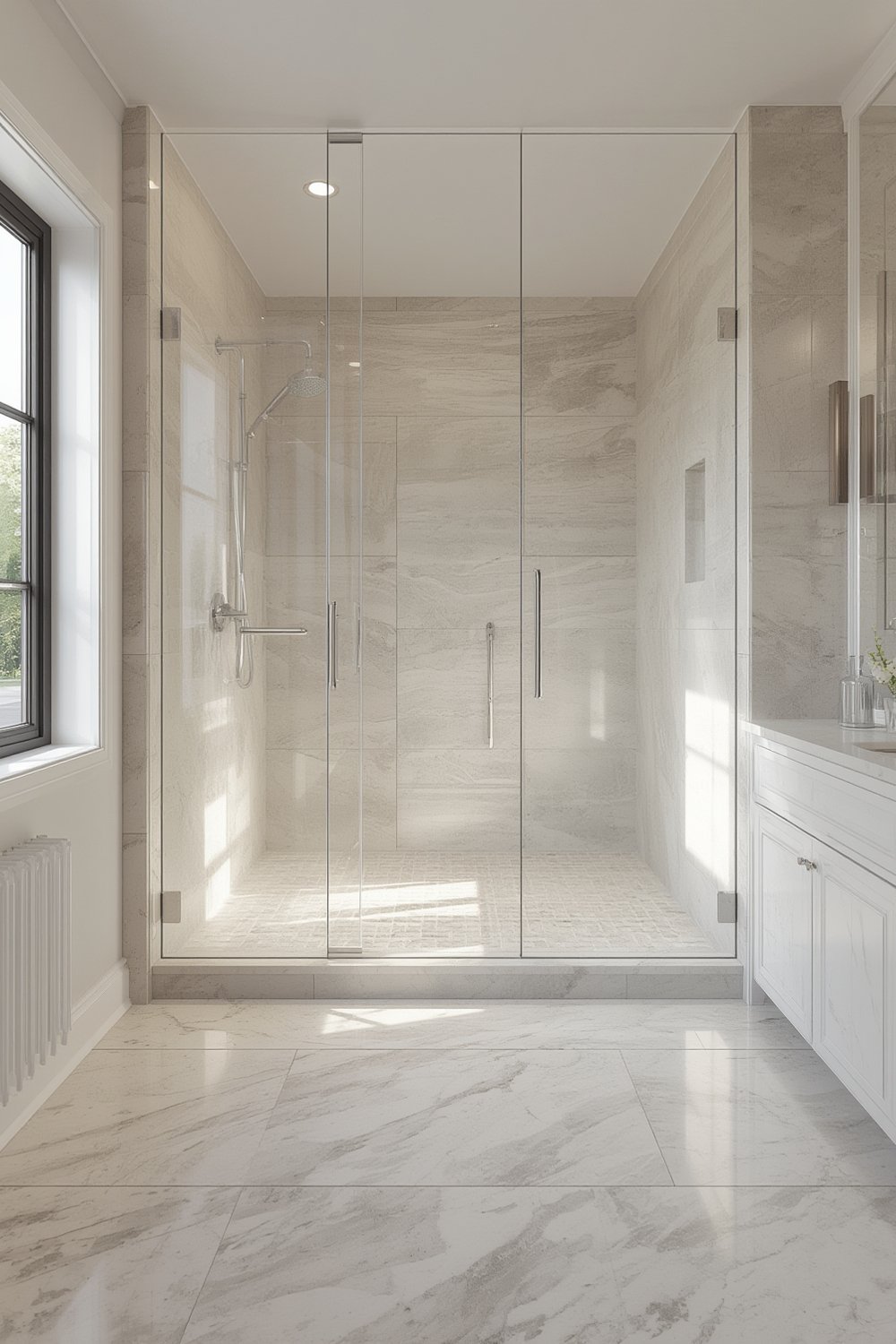
Despite the cost, the benefits are numerous: better aging-in-place design, sleek modern style, increased accessibility, and easier cleaning. For more comparison on shower types, see our guide to walk-in shower vs traditional shower.
How to Plan and Install a Curbless Shower: Step-by-Step Guide
- Assess Your Space and Subfloor
Verify if your bathroom is built on a slab or over framed joists, as this affects labor for drain relocation and floor modification. - Budget for the Full Scope
Gather quotes not just for demolition and tile, but also for waterproofing, custom sloping, plumbing, permits, and unexpected issues hidden under your old tub or shower. - Hire Professionals Experienced with Curbless Showers
This is not a project for inexperienced contractors. Seek tile setters, plumbers, and remodelers who have completed slab foundation curbless showers before—check references. - Get Proper Permits
Local codes in most areas require permitting for extensive bathroom work, especially when adjusting drain lines and structural elements. - Plan for a custom shower pan and Drain
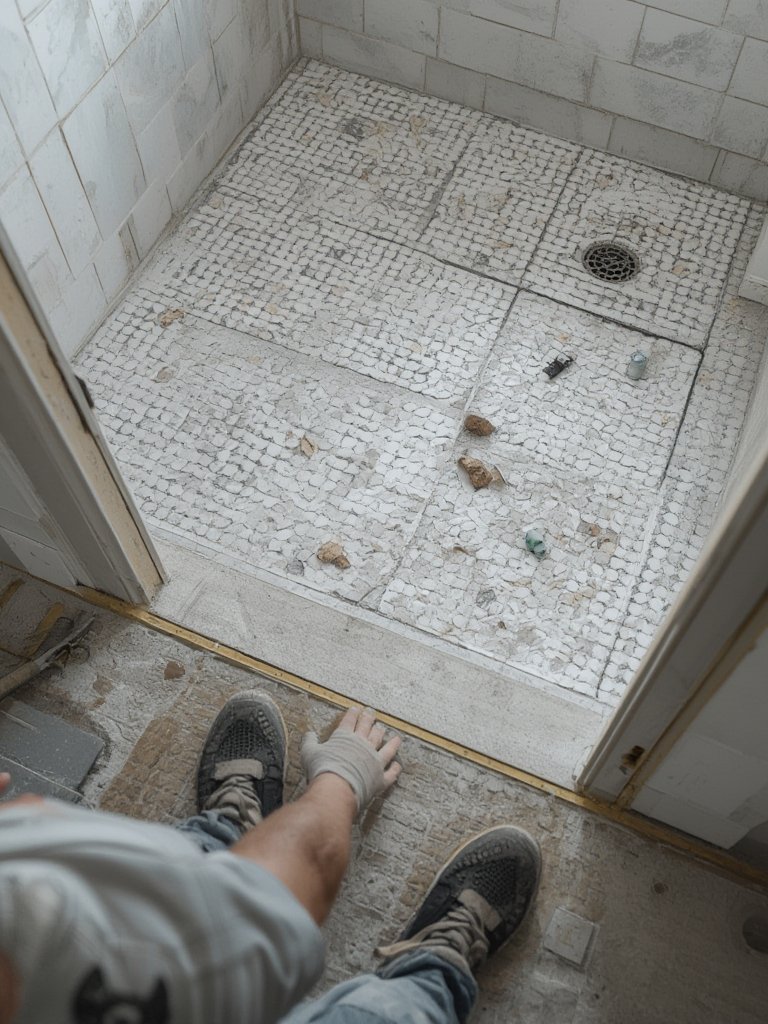
Prefab pans do not work—your installer will usually pour concrete and build the slope on site, which is why this step is so labor intensive. - Waterproofing and Rough Plumbing
Allow for waterproofing membranes ($500–$1,000), or liquid systems ($50–$800), and extra labor for proper overlapping of materials at the exact level transitions. - Finish with Tile and Accessible Fixtures
Labor is intensive and must be precise for ceramic ($2–$17/sq ft) or marble ($10–$35/sq ft). Add bench seating, grab bars, or handheld sprays as needed for universal design.
Want more step-by-step advice tailored for your bath size and style? Check our bathroom remodel cost breakdown and upgrade shower accessibility guides.
Advanced Analysis and Common Pitfalls
Even with careful planning, many homeowners underestimate curbless shower challenges. Here’s what real projects reveal (and what most competitor articles overlook):
- Hidden Drain & Slab Costs: If your home sits on a concrete slab, moving the drain can easily double or triple labor—from $850–$1,500 to $2,000–$4,500. See sources like USACabinetStore for details.
- Floor Sloping Complications: Even slight miscalculations lead to pooling, leaks, or water escaping beyond the shower. Precise tile work and correct slope (minimum 2% grade toward the drain) are non-negotiable.
- Itemization of Permit and Rough-in Fees: Permits and rough plumbing usually cost $600–$1,600 (sometimes up to $7,000 in new builds) and are rarely mentioned in general quotes. Budget for these up front.
- Waterproofing Reliability: The membrane or liquid system must be installed perfectly. Mistakes mean future leaks and major floor repairs down the line. This is why all reliable contractors charge a labor premium (20–30%).
- No Prefab Option: All curbless showers are custom-built, which explains the price gap versus standard shower kits (This Old House). Prefab solutions just aren’t available—every detail is tailored on site.
| Component | Cost Range | Notes |
|---|---|---|
| Curbless Shower Total (Custom Tile) | $3,500–$15,000 | Higher due to sloping and waterproofing labor. Source |
| Waterproofing (Membrane/Liquid) | $50–$1,000 | Essential for floor integration. Source |
| Drain/Plumbing Adjustments | $600–$1,600 $500–$2,000 rerouting | Includes valves ($200–$600). Source |
| Tile Work (Installed) | $2–$17/sq ft (ceramic) $10–$35/sq ft (marble) | Custom required—DIY not recommended. |
| Shower Pan (Poured Concrete) | $900–$1,500 Up to $10,000 custom | Critical for zero entry. Angi |
| Labor (Plumber/Contractor) | $45–$200/hr $75–$150/hr | Labor intensive; 20–30% premium over traditional. HomeBuddy |
Homeowners should also factor in ongoing maintenance, possible repairs, and any adjustments required for true accessibility. While sources like Angi and Fireclay Tile detail technical steps and costs, there’s a lack of direct homeowner complaints or ROI data available, so keep expectations practical.
If you want to compare these challenges to the upgrade process for other fixtures, see our detailed guides on bathroom tile cost and shower safety upgrades.
Conclusion
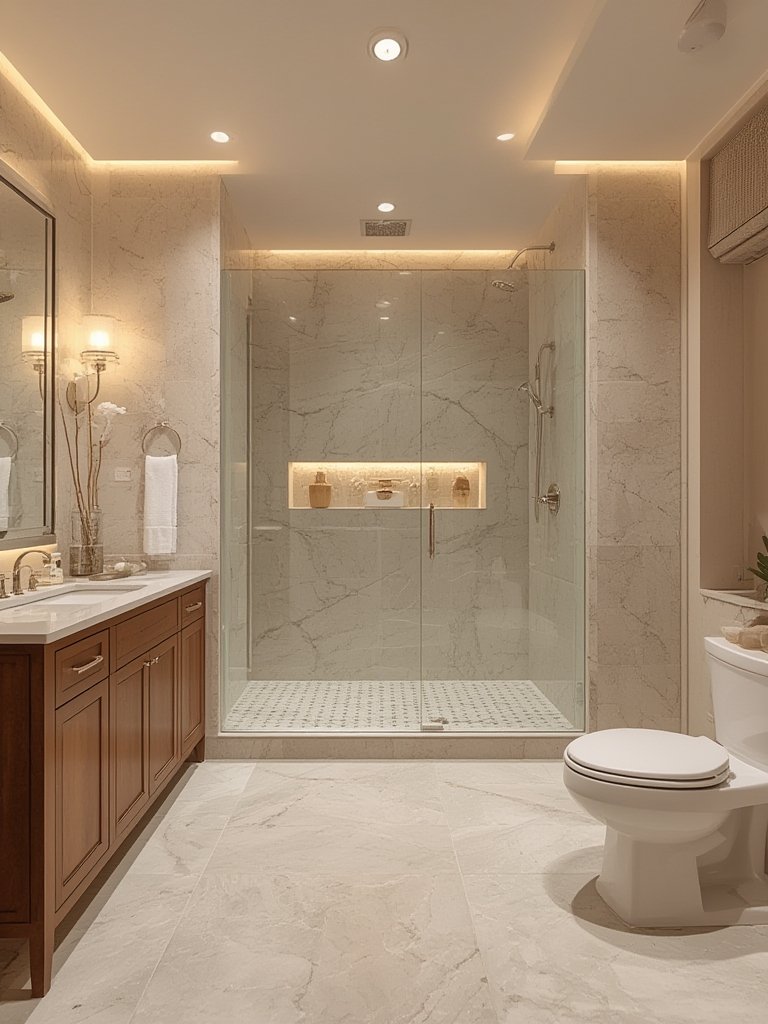
A curbless shower cost is an investment beyond the initial sticker price. It reflects the complexity of hidden labor, required expertise, and stricter code requirements—not just surface materials. Most importantly, all curbless showers are fully custom; prefab kits simply do not exist in 2024.
If you’re planning a zero entry shower for accessibility or resale, get multiple quotes, inspect contractor experience, and budget at least a 20–30% buffer for unexpected site or permit costs. Ready to upgrade? Check our universal design bathroom tips for smart planning—or schedule a walkthrough with a contractor who specializes in accessible shower installs.
FAQ
How much does it cost to convert a tub to a curbless shower?
Tub to curbless shower conversions start at $6,000 to $12,000, depending on waterproofing, drain relocation, and the amount of floor remodeling required.
Is a curbless shower more expensive than a traditional walk-in shower?
Yes, curbless showers cost $500 to $700 more on average due to extra labor for sloping, waterproofing, and plumbing adjustments. Custom designs can be several thousand dollars higher.
Can I install a curbless shower myself?
DIY is not recommended. Precise sloping, waterproofing, code compliance, and custom drain work require professional skills and tools to prevent leaks or damage.
Will a curbless shower add value to my home?
While zero entry showers improve accessibility and appeal, there’s no firm data on direct ROI or resale value increase. They do help future-proof your home for aging in place.
Are curbless shower kits or prefab pans available?
No. All curbless showers require custom site-built pans and tailored installation. No off-the-shelf kits exist due to code and drainage requirements.