

Electric panel upgrade for EV is quickly becoming a priority for homeowners wanting a safe, faster, and more reliable home charging setup. As electric vehicle adoption grows, many discover that their current electrical panels cannot support Level 2 EV chargers—or future home energy upgrades. If you’re considering EV charging at home, understanding the risks, costs, and process for upgrading your electric panel can save time, money, and headaches.
Key Takeaways
- Most U.S. single-family homes can accommodate Level 2 EV chargers, but older panels may require upgrades for safety and performance.
- Precise cost estimates, challenges, and upgrade timelines for residential electric panels in 2024 remain unclear, but realistic planning is crucial.
- Incentives for electric panel upgrades tied to EV needs are limited, so homeowners must research regional programs.
- The Core Concept: Why Upgrade Your Electric Panel for EV Charging?
- Step-by-Step Guide to an Electric Panel Upgrade for EV Charging
- Advanced Analysis & Common Pitfalls
- Conclusion
- FAQ Section
The Core Concept: Why Upgrade Your Electric Panel for EV Charging?
Upgrading your electric panel for EV charging is about ensuring your home can safely deliver the power an electric vehicle needs—now and in the future. Most modern homes have a 200 amp panel, and while many can support a single EV charger, others (especially older homes) may lack the spare capacity. An upgrade allows homeowners to add powerful Level 2 chargers, future-proof their home for more energy-demanding appliances, and meet local code requirements.
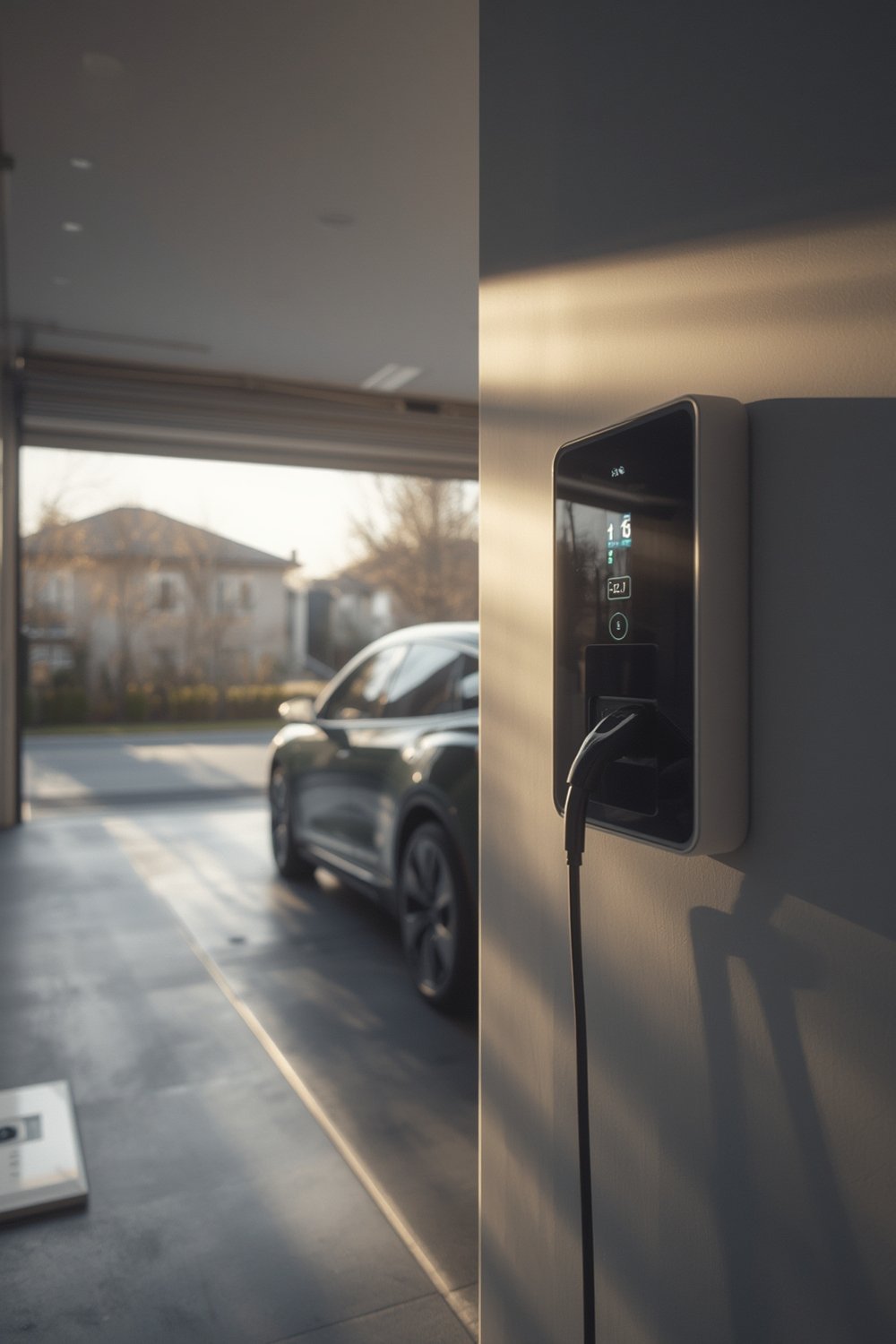
A strong electrical panel is the foundation for safe, reliable charging. Without proper capacity, charging may be slow, unreliable, or unsafe. Some internal experts recommend a proactive panel upgrade before adding other loads, such as solar panels, heat pumps, or whole-home batteries.
According to recent studies, about 73% of U.S. residential EV charging equipment is used in single-family homes, often without major electrical upgrades. However, these numbers do not provide specifics on how many homes actually perform a full electric panel upgrade for EV charging. (Mordor Intelligence)
To learn more about sizing and choosing the right charger, check out our Best Home EV Chargers guide, or see how qualified electricians approach the installation process.
Step-by-Step Guide to an Electric Panel Upgrade for EV Charging
Wondering how to get from intention to completion? Here’s a concise, realistic guide to planning and executing your electric panel upgrade for EV charging.
-
Initial Evaluation
Schedule a licensed electrician to inspect your current panel. They’ll review the amperage, available circuit slots, wiring, and overall panel health. Request a written load calculation that includes all high-draw appliances and the new EV charger. -
Obtain Permits & Local Approvals
Electric panel upgrades almost always require municipal permits. Research your city or county’s requirements and be sure to factor in permit fees (which can range between $100 and $500). Your electrician should pull these permits for you. -
Select the Right Panel
For most EV owners, upgrading to a 200 amp panel is recommended, especially if you plan on adding more electric vehicles, solar, or large appliances. Choose a reputable brand with enough breaker slots for expansions. -
Coordinate with Utility Provider
Some upgrades require utility shutoff or even utility-side wiring improvements. Notify your power provider early. -
Schedule Installation
On installation day, your power will be shut off for 4–8 hours. Old panels are removed, new ones installed, and new circuits (such as your EV charger line) are wired and labeled. -
Inspection & Activation
City inspectors must approve the new panel before it’s energized. Once approved, utility restores power and you can use your upgraded service—including your new EV charger.
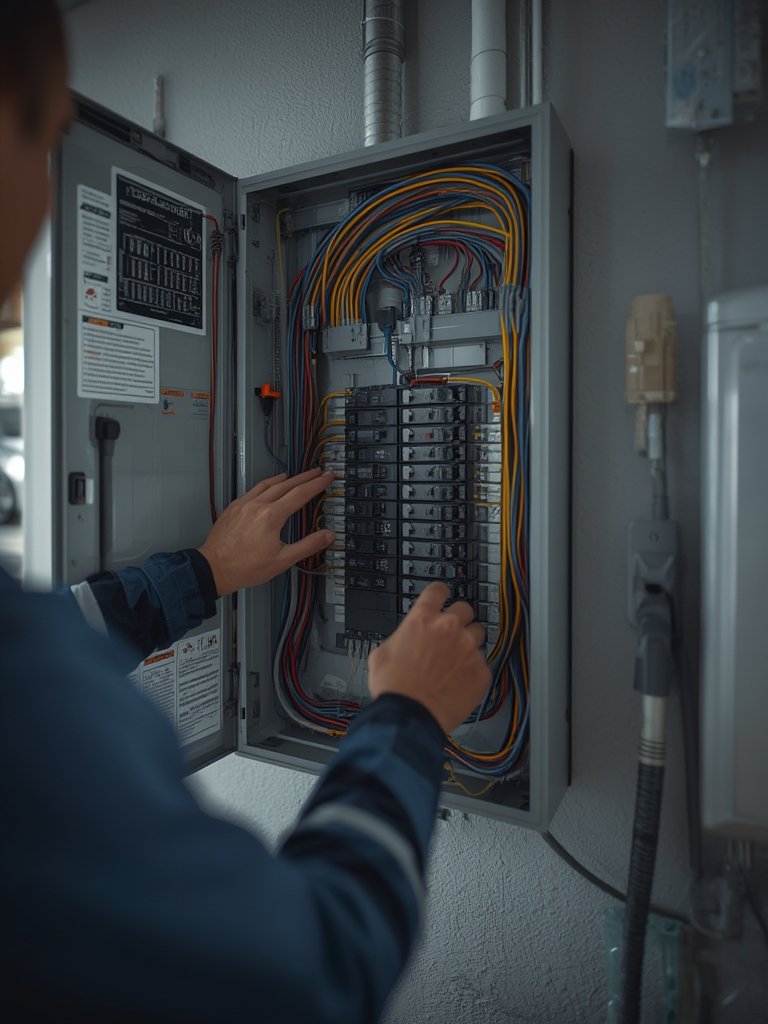
To maximize your investment, also read our guide to Smart Electrical Panels for EVs, and learn the differences between Level 1 and Level 2 EV Charging.
How Much Does It Cost?
Detailed 2024 price data is lacking, yet most homeowners report costs for a 200 amp panel upgrade (including labor, materials, and permits) between $2,500 and $6,000, depending on region and complexity. Factors influencing price include panel brand, wiring runs, wall repairs, and the need to upgrade your utility meter base. Check for local incentives (rare, but possible) and budget contingency funds for surprise repairs.
If you’re managing a rural or older property, you may find additional requirements that can bring total costs higher.
For an industry-based rundown on what to expect, the Qmerit blog offers insights on trends and recent upgrades.
Advanced Analysis & Common Pitfalls
Upgrading your electric panel for EV charging can be smooth, but homeowners often run into issues. Let’s get realistic about what to watch out for and how to avoid common pitfalls.
Common Pitfalls in EV Panel Upgrades
- Utility Delays: Upgrades that require utility approval can take several weeks if system upgrades or inspections are needed.
- Permit/Inspection Bottlenecks: Municipal inspectors may be scheduled out for days or weeks, slowing activation of your upgraded panel.
- Hidden Home Wiring Issues: When opening walls or reviewing the main panel, electricians may discover out-of-code wiring or aged circuits, increasing costs and timelines.
- No Local Incentives: Most U.S. homeowners will not find rebates for panel upgrades solely for EV charging—budget accordingly.
- Not Planning for the Future: Installing to “just barely” cover your current needs can backfire if you add a second EV, heat pump, or solar. Oversize your panel if possible.
| Pitfall | Description | How to Avoid |
|---|---|---|
| Underestimating Load Needs | Adding an EV charger on an undersized panel could repeatedly trip breakers or be unsafe. | Have a licensed electrician perform a full load calculation—don’t use rule-of-thumb estimates. |
| Ignoring Future Appliances | Upgrading just enough for now might not serve future EVs, heat pumps, or home batteries. | Choose a panel with room for more circuits and capacity than you need now. |
| Not Planning for Inspection Delays | Home will be without power if inspections are delayed after install steps. | Plan installation early in the week and request inspector scheduling in advance. |
| Missing Incentive Deadlines | Failing to secure necessary paperwork ahead of installation can disqualify rebate eligibility (rare but possible). | Consult your utility and state energy office before pulling permits. |
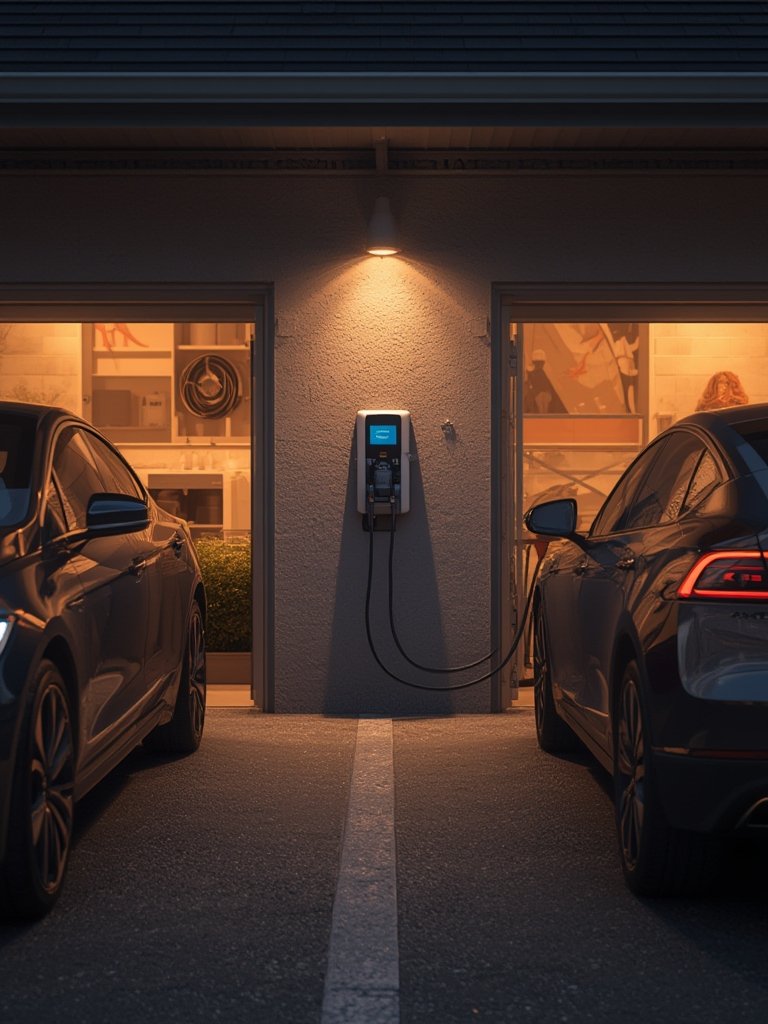
For a full breakdown of newer technologies that can ease these upgrades, read our primer on load shedding panels for EVs. You can also explore broader EV charging infrastructure reports from the ICCT and J.D. Power.
Conclusion
Upgrading your home for efficient EV charging is a bigger project than most realize. While reliable data on homeowner upgrades, average timeframes, and localized incentives is still lacking, it’s clear the demand for electric panel upgrade for EV will grow as more drivers choose electric. Take time to plan, get several quotes, and prepare for possible curveballs—and you’ll have a safer, more capable charging setup for years to come.
Ready to explore your options? Contact a licensed electrician in your area for a comprehensive load calculation and upfront quote.
FAQ Section
Do I always need a panel upgrade for an EV charger?
No. Many modern homes with a 200 amp panel have adequate capacity, especially for a single EV. A load calculation by a licensed electrician will confirm if you need an upgrade or just a new circuit added.
How long does a typical panel upgrade take?
The process, from obtaining quotes to permit approval and final inspection, usually takes between one and four weeks, depending on local scheduling and utility involvement.
Are there rebates for residential panel upgrades tied to EVs?
Rebates or incentives for panel upgrades specifically for EV charging are rare in 2024. Some local utilities or state programs may offer support, but most federal funding targets public or commercial charger installations.
Can I use a smart panel or load management device instead?
Yes. In some cases, a load management device or smart panel can safely balance usage, allowing you to avoid a full panel upgrade – especially helpful for homes just at capacity.
What happens if I don’t upgrade an overloaded panel?
Running an EV charger on an overloaded panel is unsafe: you risk frequent breaker trips, reduced charging reliability, insurance or code violations, and even electrical fires.