

Electrify home conversion cost is now at the center of every homeowner’s mind considering a switch from gas to a fully electric household. If rising utility rates, electrification rebates, and hidden costs have you second-guessing a big leap, this guide brings real numbers, practical steps, and real talk about what to expect by 2024 and beyond.
Key Takeaways
- Electrification costs are unpredictable and vary by location, home size, and appliance type—but electricity rates are consistently rising across the US.
- Hidden expenses like panel upgrades, utility work, or increased operational costs can erase expected savings in some regions—even with rebates.
- Thorough planning, realistic budgeting, and tapping available financial incentives are absolutely necessary before you start converting your home.
- What Is the Electrify Home Conversion Cost and Why Does It Matter?
- Step-by-Step Guide to Budgeting and Converting Your Home
- Advanced Analysis & Common Pitfalls
- Conclusion
- FAQ
What Is the Electrify Home Conversion Cost and Why Does It Matter?
Electrifying your home means replacing fossil-fuel-based appliances and systems with electric alternatives. This includes swapping gas furnaces for heat pumps, converting gas ranges to induction cooktops, and going from gas to electric water heaters. While the environmental benefits are clear, the true electrify home conversion cost is complex and highly variable.
Several factors affect total costs:
- Region: Electricity rates, labor costs, and incentives vary dramatically between states. For example, electricity rates in California reached an average of 31.91¢/kWh in 2026, up 5.7% in just a year. Hawaii sits even higher, and Connecticut follows closely behind.
- Home Size: Larger homes may require bigger (and costlier) systems and more extensive wiring or panel upgrades.
- Appliance Choices: Heat pumps, electric stoves, and electric water heaters all come with distinct price tags and installation needs.
Migration to a fully electric home is also driven by policy changes and rising energy costs, with pipeline bottlenecks and demand growth pushing rates higher across the board. These trends make the electrification decision more urgent, but also riskier if you don’t factor in all costs.
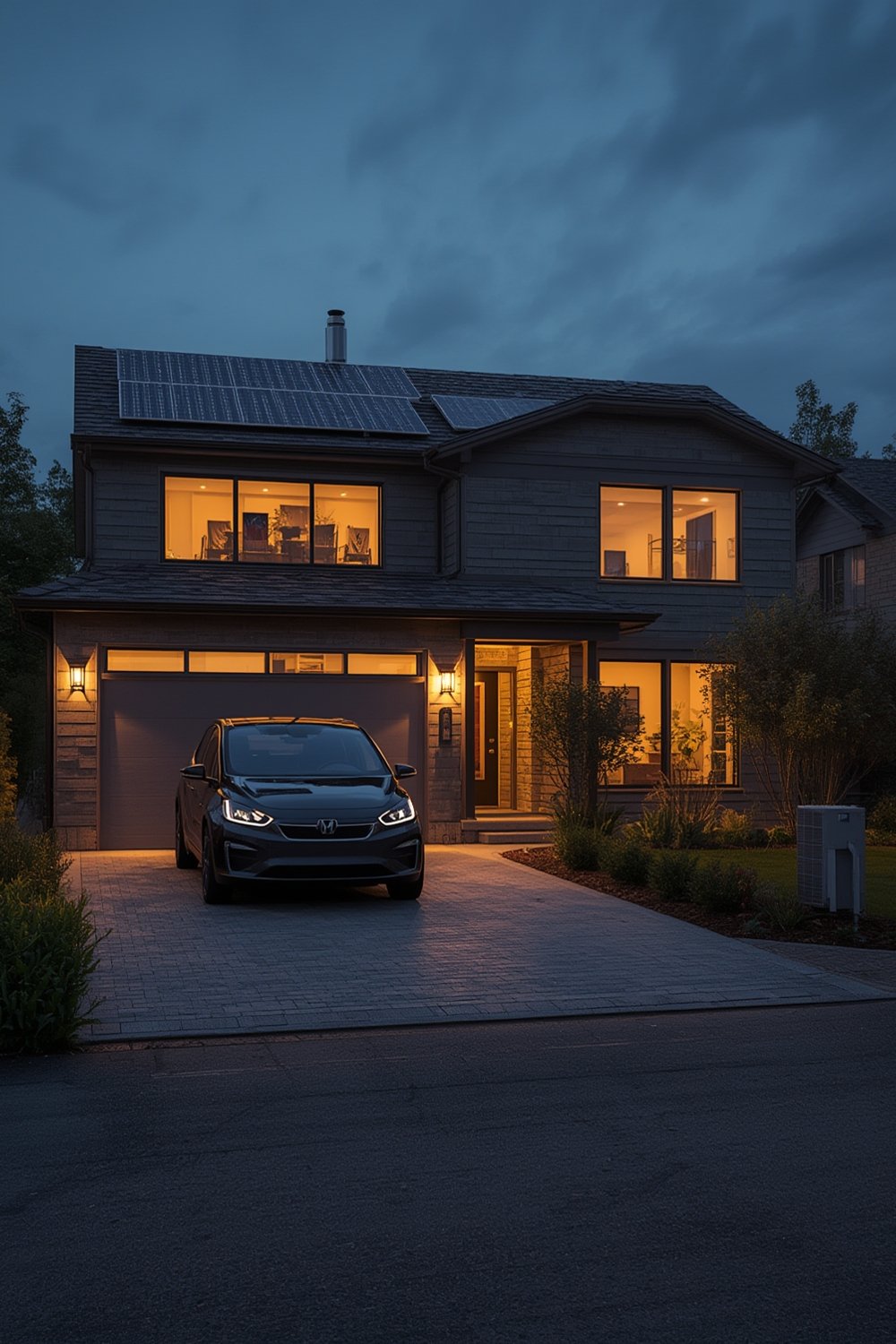
Because there’s no universal conversion average for 2024 based on region or appliance type, successful planning depends on researching your own state’s rates, understanding your home’s unique needs, and preparing for both direct and hidden costs.
If you’re looking for efficiency alongside comfort, also check out our guides on smart thermostats and heat pumps vs furnaces to see which upgrades align with your savings goals.
Step-by-Step Guide to Budgeting and Converting Your Home
Switching to all-electric isn’t just about swapping appliances. It’s a coordinated project that requires technical assessment, careful budgeting, and checking for all available incentives. Here’s a clear, actionable step-by-step process:
- Assess Your Current System
- Inventory every gas appliance: furnace, water heater, stove, clothes dryer, fireplace, etc.
- Review your electric panel capacity (usually 100A, 150A, or 200A) and service drop rating.
- Check for existing 240V circuits where needed for large electric appliances.
- Research Local Rates and Rebates
- Find your actual electric rate: recent national average is 17.78¢-18.05¢/kWh, but many states are over 25¢. Search local provider’s rates.
- Contact your utility for details on any home electrification rebates or time-of-use rate programs.
- Visit government energy portals regularly for the newest rebate info. (Note: As of June 2024, most sources list no new federal/state incentives, but this changes quickly, so verify before committing.)
- Budget for Appliances and Installation
- Heat pump systems can range from $8,000-$25,000+ depending on home size, system complexity, and region.
- Induction cooktops: $1,000-$3,500, plus possible electrical work.
- Electric water heaters: $1,800-$4,500 installed, more with advanced high-efficiency models.
- Add 15-30% for labor in regions with steep demand or labor shortages.
- Plan for Electrical Work
- Panel upgrades (if needed): $2,500-$6,000 or more, depending on your area and wiring complexity.
- Trenching or new service drops for high-load homes can add another $1,000-$4,000.
- Get Multiple Quotes
- Always request bids from at least three licensed, reputable installers with references.
- Ask for a line-item quote so you know exactly what you’re paying for.
- Set a Contingency Fund
- Budget a 10-15% cushion for last-minute surprises—necessary when dealing with older homes, old wiring, or unexpected city permit fees.
- Apply for Permits and Arrange Inspections
- Contact your city/county as early as possible; some locations are backlogged for months.
- Factor in direct permit costs that can run $250-$2,000 depending on your area’s regulations.
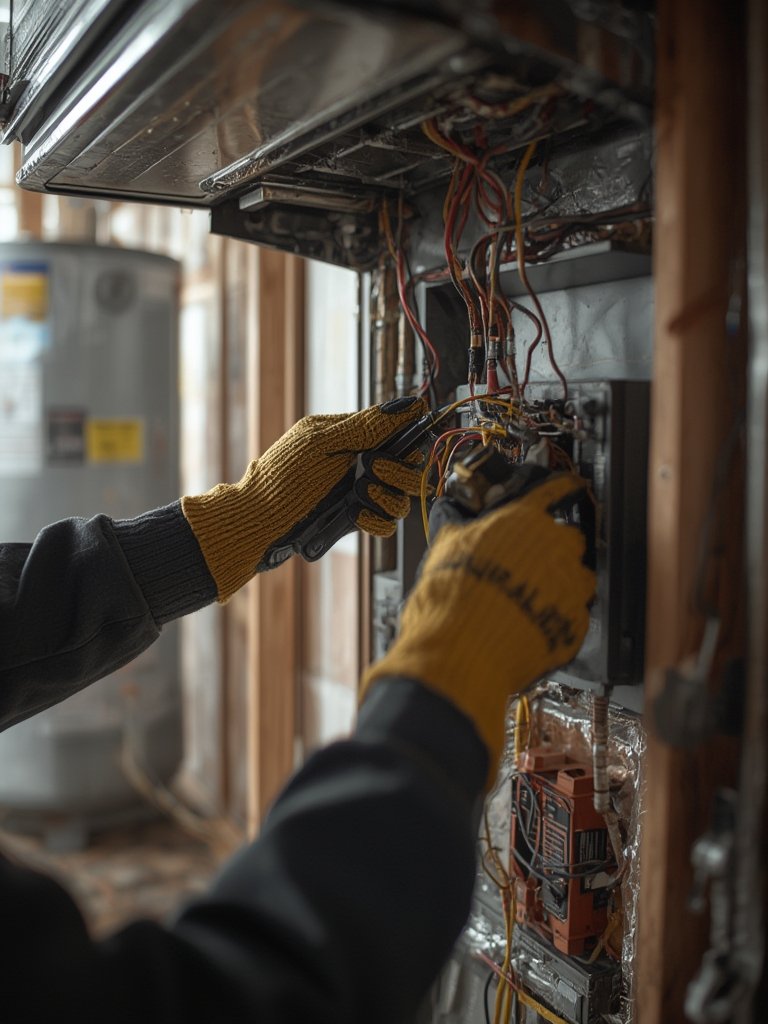
Want to dig into the specifics of tackling wiring challenges and panel sizing? Our home electrical upgrades guide covers everything step-by-step, especially for older homes that may need significant modernization.
When all steps are complete, be sure to revisit our energy savings checklist to track new habits and maintain year-round efficiency on your upgraded electric systems.
Advanced Analysis & Common Pitfalls
Most conversion guides gloss over the recurring costs and practical headaches associated with electrification. Here’s what actually trips up most homeowners—and what current market data reveals:
- Overlooking Electricity Rate Increases: US residential electricity rates have trended sharply upward, averaging 18.05¢/kWh by February 2026 nationally. California (31.91¢/kWh), Hawaii (40.2¢/kWh), and Connecticut (27.02¢/kWh) can make ‘electric savings’ disappear if you do not address home insulation or off-peak usage.
- Missing the Hidden Costs: Many guides skip over the realities of necessary panel replacements and utility upgrades, both of which can make or break your payback timeline. Even a routine panel upgrade starts at $2,500 and can exceed $6,000 if conduit or meter upgrades are required.
- Lack of Up-to-Date Incentive Information: As of June 2024, there are virtually no new federal, state, or local rebates universally available—contradicting much of the older content found online. Always double-check with your utility and local agencies for the most recent programs before proceeding.
- Permitting and Scheduling Delays: City inspection timelines can stretch projects by weeks (or months), especially in regions encouraging rapid electrification but lacking administrative capacity.
| Cost Factor | Typical Range (2024) | Common Pitfall |
|---|---|---|
| Heat Pump Installation | $8,000 – $25,000+ | Underestimating complexity and ductwork needs |
| Induction Cooktop | $1,000 – $3,500 | Overlooking need for 240V circuit installs |
| Electrical Panel Upgrade | $2,500 – $6,000 | Panel upgrade required for most homes built before 1980 |
| Utility Trenching/New Drop | $1,000 – $4,000 | Surprise cost if your utility requires it for increased load |
| Permit & Inspection Fees | $250 – $2,000 | Delays and city backlogs |
| Ongoing Electricity Cost | Varies, rising 5%-8% yr/yr in many states | No savings if you switch to electric but don’t improve insulation or shift to off-peak usage |
For much deeper technical breakdowns, see our whole home electrification guide, or jump into specific electrical inspection tips if you’re worried about your current panel.
Another often-missed step? Space and code requirements for heat pumps, water heaters, or cooktops. If you live in a home built before 1970, electrical chase space and code clearances may require creative routing—plan this with your contractor from the start to avoid headaches later.
Conclusion
Calculating your real electrify home conversion cost is more than just adding up appliance prices. With rising electricity rates, unpredictable permit delays, and the very real risk of hidden utility or panel upgrade costs, every homeowner must plan carefully and use up-to-date local data. Don’t assume you’ll save money without accounting for these factors. For a smarter transition, start small, verify incentives, and always reserve a contingency fund. Ready to move forward with your electrification project? Download our free electrification cost calculator to zero in on your true numbers and avoid surprise bills.
FAQ
How do I estimate my unique electrify home conversion cost?
Start by listing all gas appliances you want to replace, check your electric panel’s capacity, and gather local electric rates and labor costs. Always include a buffer for hidden costs, especially if your home is older or has not been updated recently.
Are there any tax credits or rebates for home electrification in 2024?
As of June 2024, new federal and many state-level rebates have paused or been depleted. Always double-check your utility provider and city/state websites for the latest programs before contracting for upgrades.
Will my electricity bill go up after full conversion?
It depends. If your new electric appliances and systems are efficient and your home is well-insulated, costs may stay flat or even improve. In regions with high electric rates and no substantial efficiency upgrades, bills often rise.
Do I have to upgrade my electrical panel to electrify my home?
Most homes built before 1980 with 100A panels will need an upgrade for major devices like heat pumps, EV chargers, and electric water heaters. Have a licensed electrician assess your current setup before starting.
How long does it take to convert a home from gas to electric?
Expect a full conversion (all major appliances) to take 2-6 weeks, depending on contractor schedules, permitting, and complexity. Permit and inspection delays can add significant time in some regions.