
healthy home air quality monitor technology is rapidly becoming essential for families concerned about indoor air pollution. With indoor environments harboring hidden risks such as PM2.5, volatile organic compounds (VOCs), and other pollutants, understanding how to choose and effectively use these monitors can protect your health and improve your home environment.
Key Takeaways
- Most homes have higher indoor air pollution than outdoors, making healthy home air quality monitors valuable for proactive health management.
- Look for monitors that clearly measure PM2.5, VOCs, and have verified standards such as EPA compliance or third-party certifications.
- Common pitfalls include unclear sensor accuracy, lack of important features, and unreliable app support; knowing these issues helps inform smarter purchases.
- What Are Healthy Home Air Quality Monitors and Why Are They Important?
- How to Choose and Use a Healthy Home Air Quality Monitor: Step-by-Step Guide
- Advanced Analysis and Common Pitfalls to Avoid
- Conclusion
- FAQ
What Are Healthy Home Air Quality Monitors and Why Are They Important?
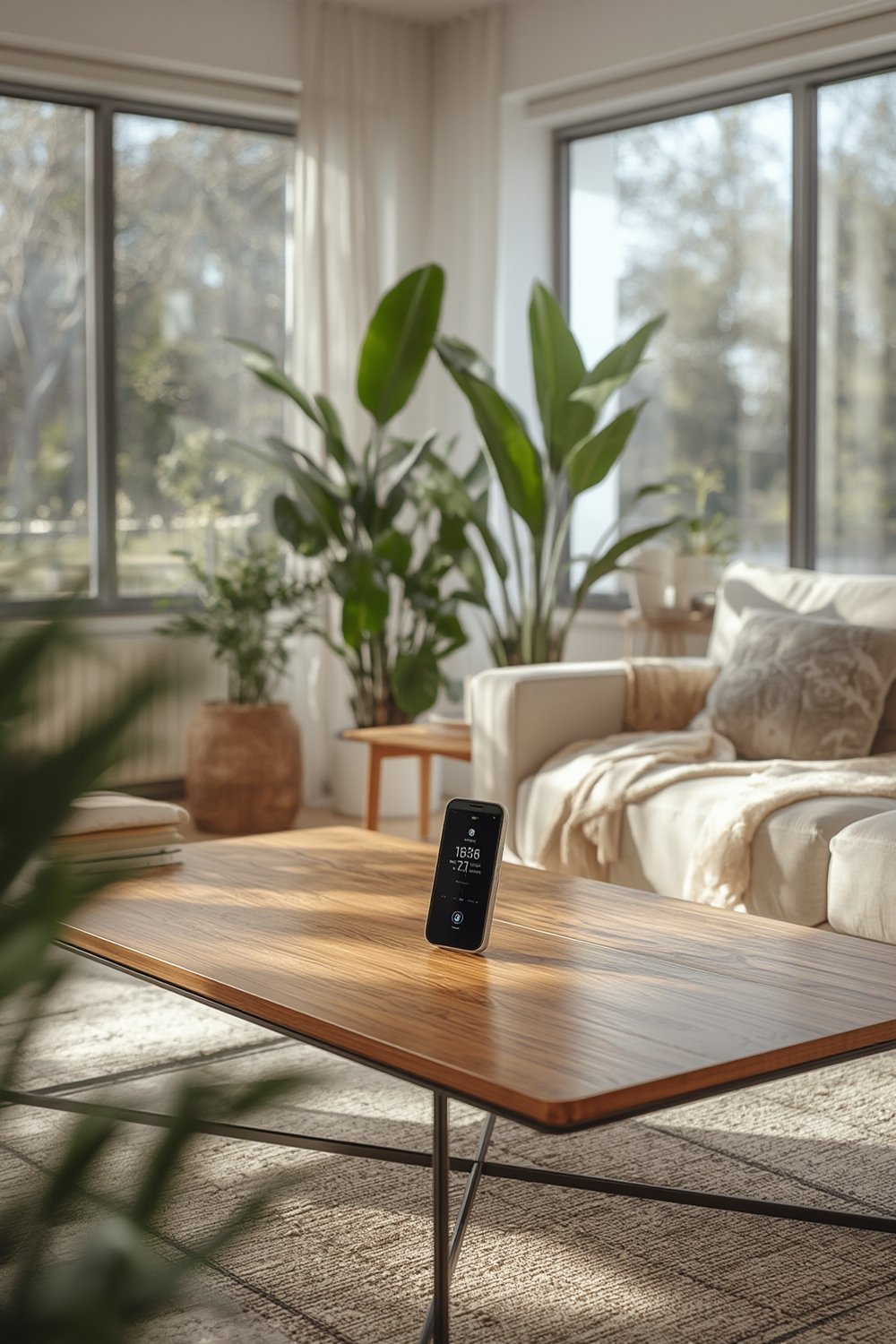
Healthy home air quality monitors are smart devices that track airborne pollutants in real time. They measure particles such as PM2.5 (tiny particles less than 2.5 microns in diameter), VOCs (volatile organic compounds from cleaning supplies, furniture, and building materials), carbon dioxide, humidity, and more.
According to the American Lung Association’s 2024 State of the Air report, 131 million Americans live in areas with dangerous air pollution levels. Most people spend about 90 percent of their time indoors, exposing themselves to pollutant concentrations that are 2 to 5 times higher than outside, according to the EPA. High indoor pollution can worsen asthma, heart disease, allergies, and respiratory problems—especially in children, seniors, and people with pre-existing conditions.
Many homes unintentionally trap pollution indoors due to energy-efficient construction or gas stoves releasing nitrogen dioxide. Without a healthy home air quality monitor, you may remain unaware of these hidden dangers until symptoms appear.
By using a reliable air quality monitor, you can:
- Identify problem areas and pollution spikes in your living spaces.
- Take timely action—like ventilating, using air purifiers for mold, or fixing sources of VOCs.
- Track improvements and adjust daily habits in response to real data.
Reliable air quality monitoring is now considered an important part of a complete indoor air quality strategy and healthy home management.
How to Choose and Use a Healthy Home Air Quality Monitor: Step-by-Step Guide
Choosing the right healthy home air quality monitor can feel overwhelming, especially with so many confusing specs. Follow these steps for the best results:
-
Define Your Priorities
- Decide if you want to monitor just particles (PM2.5, dust), gases (VOCs, CO2), or also things like humidity and temperature.
-
Check for Essential Features
- Look for real-time monitoring, clear display, app support, and alert systems.
- Prioritize devices with independent third-party certifications such as EPA compliance, Verified Healthier Air™, or ASTM/UL standards when available. For more, see industry standards and certifications.
-
Understand Sensor Technology
- Seek monitors that specify what sensors are used (laser, electrochemical, MEMS, etc.), as vague descriptions often hide low-quality detection. While accuracy data is not always published (source), seek brands willing to share their third-party test results.
-
Compare for App Usability and Connectivity
- Consider whether the app is compatible with your phone and smart home ecosystem. Unreliable apps and buggy firmware are common complaints (see below section for pitfalls).
-
Understand Upkeep
- Check for ongoing costs—do sensors or filters require frequent replacement? Aim for a device with low maintenance and transparent costs.
-
Place the Device Strategically
- Don’t set up air quality monitors right next to doors, windows, or vents; aim for central locations at breathing height for the best readings. Position away from direct sunlight and heat sources.
-
Analyze the Data
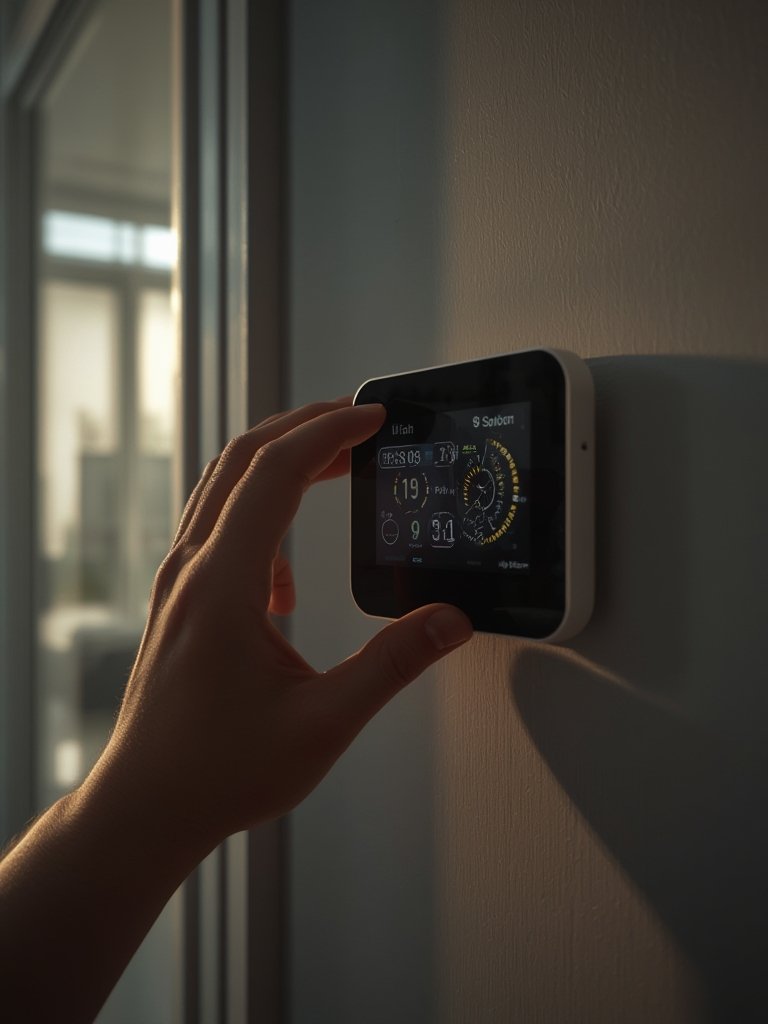
- Set up real-time or daily alerts to take action as needed—open windows, adjust air purifier settings, or remove pollution sources.
- Use logged historical data to spot patterns or hidden sources.
-
Take Action Based on Trends
- If you see repeated PM2.5 spikes, for instance, consider upgrading air filtration or addressing combustion sources. For persistent VOCs, identify new furniture, finishes, or cleaning products as potential culprits. Learn more in our guide to reducing VOCs at home.
For a more comprehensive indoor strategy, see our guides to air purifiers for mold, selecting low-VOC paint, and home ventilation best practices.
Advanced Analysis and Common Pitfalls to Avoid
Smart healthy home air quality monitors have rapidly improved, but not all devices perform equally. Users often encounter the same key problems:
- Inconsistent accuracy: Many brands use generic or low-cost sensors with little independent verification. Lack of published third-party testing means even the best models might not be as precise with VOCs, PM2.5, or especially mold as claimed.
- Misleading app features: Some devices advertise compatibility or automation (e.g., with Alexa or Google Home) that only works in limited ways or fails after software updates.
- Hidden recurring costs: A few brands require expensive subscription fees for full app access or raw data export. Consumables like replacement sensors or filters may add unexpected costs.
- Poor customer support and short lifespans: Issues with replacement parts, firmware bugs, or unreliable readings may cause owners to replace or abandon devices prematurely, increasing long-term expenses.
- Insufficient coverage: Single-room monitors don’t accurately reflect the entire home. Large or multi-story homes often require multiple units.
| Feature / Consideration | Potential Problem | What to Look For |
|---|---|---|
| PM2.5 & VOC Detection Accuracy | No standardized third-party test data available; specs may exaggerate capabilities. | Look for devices referencing EPA, Verified Healthier Air™, or independent lab tests. |
| App and Data Access | Limited data export, unreliable alerts, or forced subscription for key features. | Choose models clearly describing free vs. paid features and app support. |
| Ongoing Maintenance | Unclear filter or sensor replacement schedules; high consumable costs. | Seek brands with transparent, low-cost upkeep and easy-to-replace parts. |
| Sensor Lifespan | No published information; early failure or degradation possible. | Look for a clear warranty and published expected sensor lifespan. |
| Mold Detection | No consumer sensor directly detects mold spores commercially; all sensors infer via humidity/PM2.5. | Use humidity and PM2.5 in combination; consult a certified mold professional for acute concerns. |
By understanding these issues up front, you avoid disappointment and choose the right solution for your situation. To address some of these weaknesses, explore our in-depth resources on reducing indoor allergens and safe house cleaning for better air quality.
Conclusion
Indoor air pollution is a significant and often invisible hazard. By choosing a healthy home air quality monitor that matches your needs, prioritizing proven features, and staying alert to common shortcomings like accuracy claims and app reliability, you take a major step toward a safer, healthier home. Don’t wait for symptoms or local pollution alerts—start monitoring your air quality today and use the insights to make real, positive changes for your family’s health. Ready to upgrade your healthy home air quality monitor? Explore our expert recommendations and take control of your indoor air now.
FAQ
How accurate are home air quality monitors for VOCs and PM2.5?
Consumer air monitors can give a general indication of VOC or PM2.5 levels, but accuracy varies widely by brand and model. Most lack third-party lab-verified data. If you need highly reliable data (for health or regulatory purposes), seek commercial-grade instruments or device brands that publish independent testing.
Where should I place my healthy home air quality monitor for the best results?
Place it in a central area at breathing height, away from direct sun, vents, windows, or doors. Consider extra monitors for bedrooms, the kitchen, or areas with known pollution sources for more precise tracking.
Do monitors detect mold directly?
No consumer monitors detect mold spores directly. They usually infer risk via sustained high humidity or increased particulate readings. For proven mold concerns, it’s best to use a humidity sensor and, where necessary, consult a specialist for mold testing.
What certifications or standards matter for air quality monitors?
Look for references to EPA standards, “Verified Healthier Air™, or CERTIFIED asthma & allergy friendly® badges. These certifications emphasize lower emissions, independent testing, or improved performance under strict scenarios. CE or UL mainly test for safety/electrical compliance, not air quality accuracy.
Are there extra costs or subscriptions for home air quality monitors?
Some brands charge for app features, data export, or require replacement sensors/filters. Check the company’s website or manual before purchasing to make sure you understand any recurring costs.