

Heat pump water heater installation is becoming the preferred way to slash energy bills, but most homeowners are surprised by the up-front demands and complexity. This actionable guide will give you the 2024 facts, step-by-step installation tips, cautionary advice, and all the rebate information needed to make a smart decision.
Key Takeaways
- HPWHs can cut water heating costs by more than half but require more space and may involve upgrades.
- Substantial rebates and tax credits are available if you install a qualifying ENERGY STAR unit.
- Installation can cost $1,000–$3,000 more up front than gas or electric units, but ROI is strong long-term.
- What is Heat Pump Water Heater Installation?
- Step-by-Step Guide to Heat Pump Water Heater Installation
- Advanced Analysis & Common Pitfalls
- Conclusion
- FAQ
What is Heat Pump Water Heater Installation?
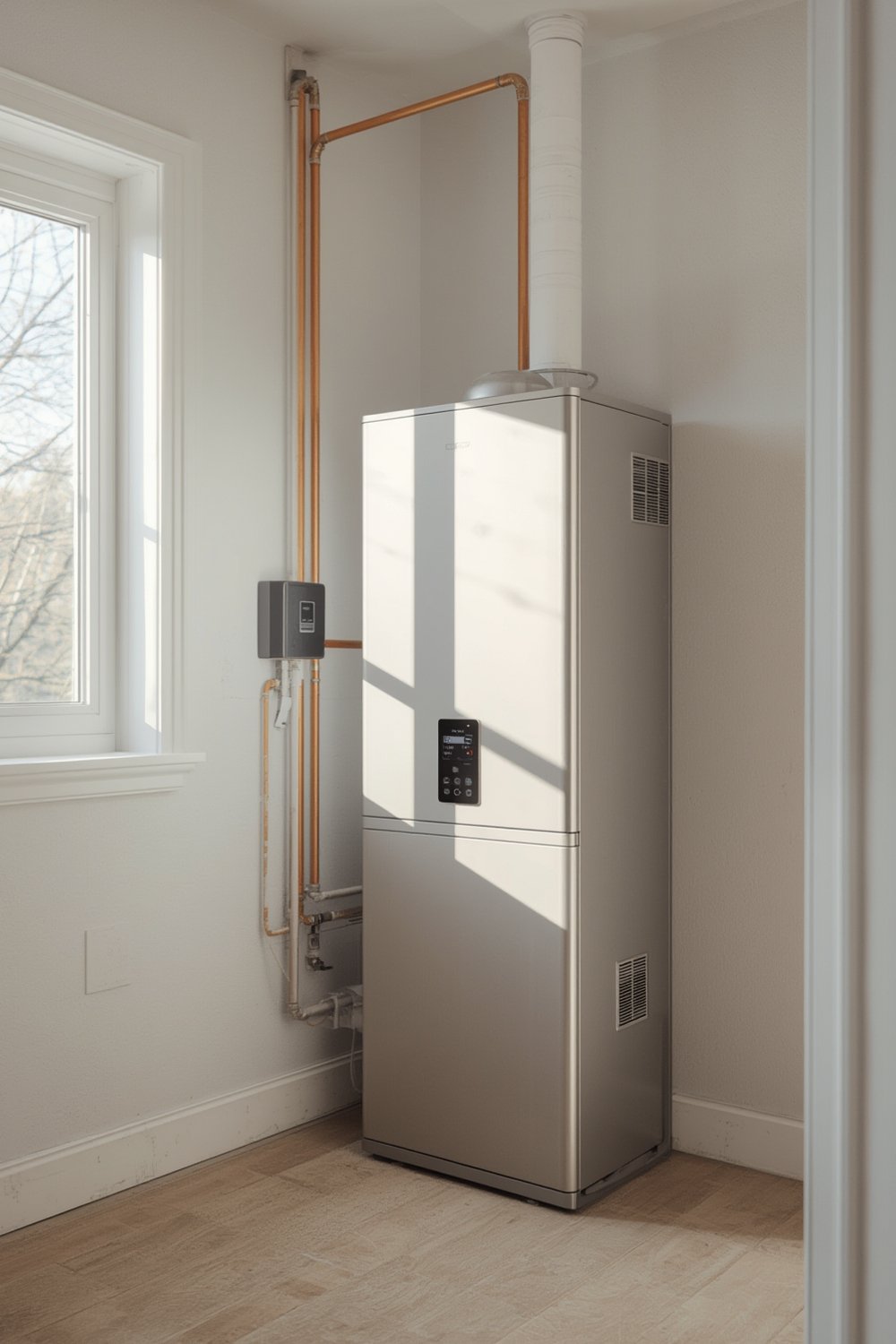
Heat pump water heater installation involves setting up a highly efficient appliance that uses electricity to pull heat from the surrounding air to heat your water. Unlike traditional electric or gas tanks that generate their own heat, a HPWH uses a compressor and evaporator, consuming up to 60% less energy. This makes HPWHs one of the most impactful energy upgrades for any home. Households installing one typically spend $160–$240 a year on water heating, compared to $400–$600 for standard tanks.
For many, this upgrade means lower monthly bills and a chance to tap into significant rebates, especially for ENERGY STAR models. But the process is more complex than plug-and-play electric or gas tank replacements, as it may require electrical work, proper placement, and an understanding of your home’s climate and space needs.
Step-by-Step Guide to Heat Pump Water Heater Installation
- Confirm Local Energy Codes & Rebates: Start by checking what federal, state, or utility rebates and codes apply in your area. Use ENERGY STAR’s rebate finder to maximize incentives.
- Size & Select Your HPWH: For most families, a 50-gallon, ENERGY STAR certified, 240-volt unit (Uniform Energy Factor ≥3.25) is ideal. Look for trusted brands and review documentation on local climate suitability.
- Check Electrical Panel Capacity: HPWHs need a dedicated 30A 240V circuit. Have a licensed electrician assess if your panel needs upgrading (budget around $2,000 if so).
- Choose the Right Location: Install in a space with 700–1,000 cubic feet of air (garage or basement preferred). Avoid small utility closets unless the manufacturer OKs it.
- Remove Old Water Heater: Safely disconnect plumbing and power/fuel lines. Drain and dispose of or recycle the old tank.
- Install the HPWH: Place per manufacturer advice. Hook up cold and hot water lines. Wire to the circuit panel, or hire a professional for complex jobs.
- Insulate supply lines & Test: Insulate supply lines to minimize heat loss. Fill the tank, restore power, and test for leaks and correct hot water delivery.
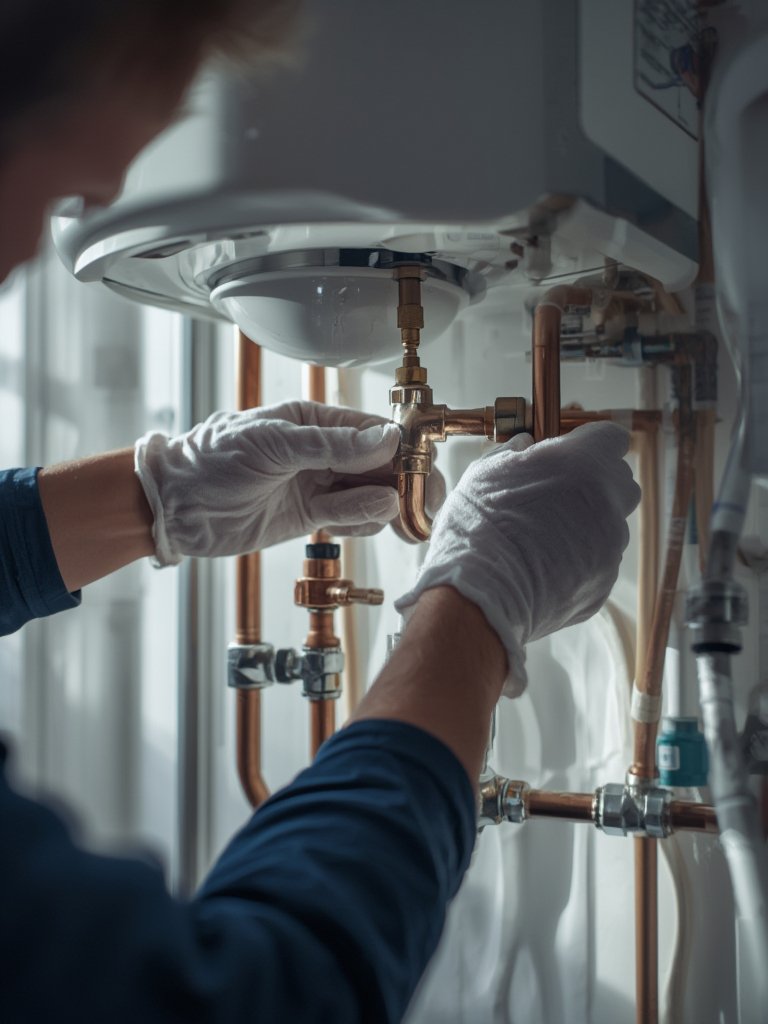
If you’re weighing DIY versus hiring pros, remember: improper installation can void rebates, cause leaks, or underdeliver on efficiency. Always ensure permits and inspections are complete.
For a deeper look at sizing, installation locations, and electrical requirements, see our in-depth analysis in Electric Water Heater Installation Best Practices or discover how HPWHs compare against tankless systems.
Advanced Analysis & Common Pitfalls
Upgrading to a heat pump water heater isn’t always a simple swap. Here are the real-world challenges—plus how costs, maintenance, and performance compare to other options.
| Water Heater Type | Purchase Price | Installation Cost | Total Initial Cost | Energy Savings Notes |
|---|---|---|---|---|
| HPWH (Hybrid Heat Pump) | $1,200–$3,500 | $2,500–$5,000 | $1,500–$6,000 | Extremely efficient; high ROI, but upfront higher by $1k–$3k |
| Conventional Tank (Electric) | $400–$900 | $150–$450 | $600–$2,500 | Annual bills $400–$600, less efficient |
| Conventional Tank (Gas) | $400–$1,000 | $150–$450 + venting | $700–$2,700 | Lower usage costs, but venting adds to complexity |
| Tankless | N/A | $600–$1,850 | $1,400–$3,900 | Higher install for upgrades, unique pros/cons |
Main Pitfalls and Complaints
- Higher Upfront Cost: Expect to pay $1,000–$3,000 more than with basic tank replacements. Electrical upgrades alone average $2,000 if required (source).
- Electrical Panel Limitations: Older homes may not support the 30A/240V circuits needed and require expensive panel upgrades.
- Space Requirements: Insufficient space reduces performance or makes installation unworkable. Compact utility closets are rarely suitable.
- Climate Considerations: In cold climates, efficiency drops; recovery times and hot water capacity may be impacted. Some units need electric backup mode in these situations.
- Complex Setup: May need plumbing rerouting or condensate drainage. Initial labor costs may hit $5,000 in challenging retrofits (source).
Maintenance and Reliability
- Minimal but Scheduled Maintenance Needed: Clean intake vents and check filters every 6–12 months. Annual professional checks improve reliability.
- Noisier Than Standard Tanks: HPWHs are like running a small dehumidifier. If placed near bedrooms or living areas, noise could be noticeable. Place in garages or insulated basements where possible.
- Hot Water Recovery: May be slightly slower than gas or resistance tanks, though modern hybrid models mitigate this issue when properly sized.
Climate & Home Suitability
- For best performance, install in a space where temperatures consistently stay between 40°F and 90°F.
- Cold basements or unheated garages in winter can reduce effectiveness and savings rate.
- Not ideal for small apartments or tight closets unless climate is mild and manufacturer approves.
If you’re retrofitting on an older home or switching from gas, read our separate checklist on How Much Will Upgrading Your Electrical Panel for a Heat Pump Cost?
Learn about how to claim rebates in Inflation Reduction Act Heat Pump Tax Credits Explained to maximize your ROI.

Conclusion
Heat pump water heater installation is a proven way to lower energy use and future-proof your home, but it’s not as simple—or as cheap—as just swapping out a gas or electric tank. If you budget for potential panel upgrades, choose models suited for your climate, and lock in rebates now, you’ll see real savings within a few years. Stay realistic about requirements and you’ll avoid common pitfalls. For expert advice on your heat pump water heater installation, reach out to our tech support team—or start planning your rebate submission today.
FAQ
How much does a heat pump water heater installation cost in 2024?
Expect total installed costs between $1,500 and $6,000 depending on unit size, retrofit difficulty, and if you need an electrical panel upgrade. Ongoing energy savings can offset higher initial costs over time. For comparison breakdowns, see Water Heater Replacement Cost in 2024.
What rebates and incentives are available for heat pump water heater installation?
Federal tax credits (up to $2,000 or 30%) apply for ENERGY STAR certified units. Many states and utilities add local rebates. Check ENERGY STAR rebate portal for area-specific offers and details.
Can I install a heat pump water heater in a small closet?
Usually not recommended. HPWHs work best in larger spaces (garages or basements). Small closets limit airflow, hurting efficiency and lifespan. Manufacturers sometimes have specific closet requirements—review your manual for exceptions.
Do heat pump water heaters work in cold climates?
They work, but performance declines below 40°F. Hybrid models with resistance/electric backup help, but expect longer water recovery times. Proper placement (heated basement rather than unheated garage), or picking a unit with high uniform energy factors, mitigates the downside. More info: Cold Climate Performance Guide.
How do I maximize my eligibility for tax credits and rebates?
Install a 50-gallon ENERGY STAR certified HPWH with a Uniform Energy Factor of at least 3.25. Keep all purchase and install documentation. Submit federal tax paperwork the year you install, and follow local utility requirements for state rebates. For step-by-step help, view our Rebate Application Guide.