
### Blog Post:
Home microgrid system solutions are quickly changing how homeowners power their houses, blending solar, batteries, and smart controls for more independence, reliability, and control.
Key Takeaways
- The home microgrid system market is growing at over 21% yearly, with major leaps in North America and Asia-Pacific.
- Precise installation and maintenance costs for residential systems remain unclear, so planning and expert guidance are crucial.
- Grid-tied microgrid systems lead the market due to improved reliability, but off-grid solutions continue to gain attention in remote regions.
- What Is a Home Microgrid System and Why Does It Matter?
- How to Build a Home Microgrid System: Step-by-Step
- Advanced Analysis: Real-World Issues and Pitfalls
- Conclusion
- FAQ
What Is a Home Microgrid System and Why Does It Matter?
A home microgrid system lets you generate, store, and manage your own electricity, often combining solar panels, batteries, and sometimes other sources like wind or a backup generator. Unlike basic solar, microgrids feature smart controllers and software that manage when to use stored energy, draw from the grid, or stay fully independent. This gives you more energy security, lowers your bills, and reduces reliance on aging public grids.
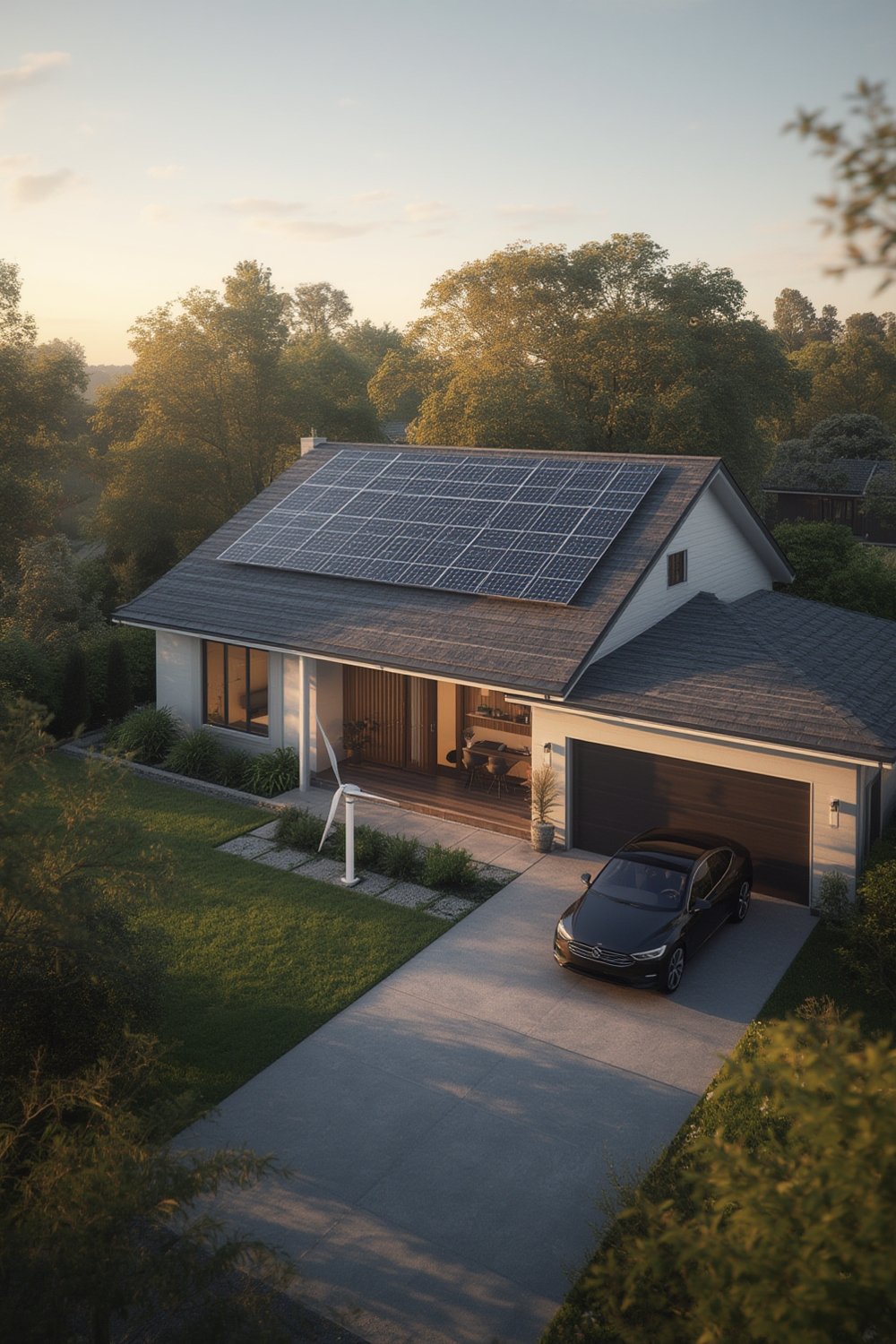
In 2024, the global microgrid market surged to $42.6 billion, with a 21.6% growth rate expected through 2031 (source). The United States leads globally in residential adoption by prioritizing energy resilience and lessening grid dependence, while Asia-Pacific is growing fastest thanks to urbanization and expanded renewable energy (full overview).
If you’d like a deeper dive on solar technology fundamentals, read our guide on how off grid solar works.
How to Build a Home Microgrid System: Step-by-Step
Building an effective home microgrid system isn’t plug-and-play. It takes informed planning, engineering, and honest assessment of your energy needs. Here’s a practical, action-based roadmap:
- Assess Your Energy Needs: Audit your typical household electricity use by season. Identify appliances with high wattage, especially if considering off-grid operation.
- Choose Generation Sources: Select solar, wind, or backup generator depending on local resources. For most homes, solar is standard for residential use.
- Size and Select Battery Storage: Choose lithium iron phosphate (LFP) or lithium-ion batteries, considering total daily use and backup duration. Sizing is critical; underestimate, and you’ll run out of power quickly.
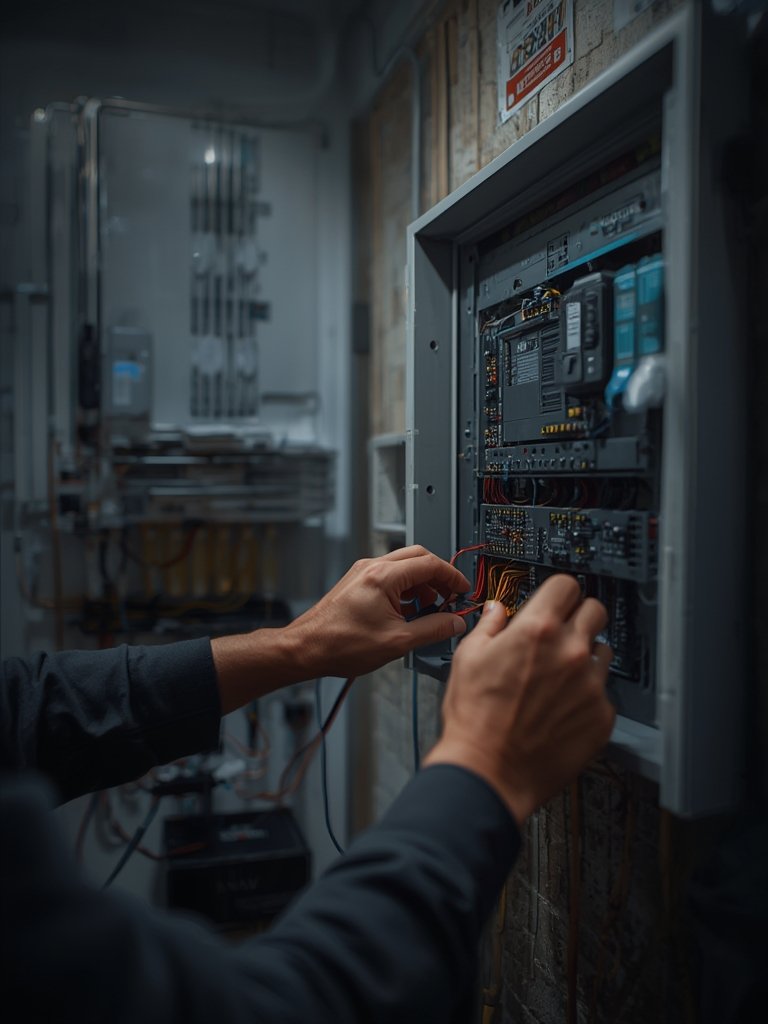
- Pick an Inverter and Microgrid Controller: An inverter converts DC to AC for home use. Advanced Microgrid Controllers balance supply, storage, and grid use for optimal efficiency. Top-ranking guides often skip specifics here—work with an expert for compatibility.
- Plan System Integration: Integration means linking solar, batteries, inverters, controllers, and (optionally) the grid. Many installers use smart home automation to further reduce costs and maximize efficiency.
- Understand Permitting and Incentives: Research local requirements, permit lead times, rebates, and incentives. North America and many countries in Asia and the EU have national or local incentives that can dramatically reduce upfront costs (see details).
- Install and Commission: Work with a certified installer. Test all system modes—grid-tied, islanded, emergency.
- Create a Maintenance Plan: Batteries and inverters need routine checks. Maintenance costs aren’t always clear, but regular inspections catch performance drops early.
For step-by-step system diagrams and advanced setup, see our tutorial on microgrid diagrams for homes.
Advanced Analysis: Real-World Issues and Pitfalls
While home microgrid systems promise energy freedom, real-world installations expose issues and knowledge gaps. Here’s what you’re not hearing in most sales pitches:
- Unclear Itemized Costs: Most sources only share broad estimates (for example, $2.5–4 million for a 10 kW system with battery storage, which is likely overestimated for typical homes). Hardware, installation, and ongoing maintenance specifics are almost never itemized (see source).
- Maintenance Responsibilities: Lack of clear guidance leaves homeowners unsure of required routine checks for batteries, inverters, and connections. Neglected microgrids quickly lose efficiency.
- Performance Shortfalls in Off-Grid Mode: Grid-tied microgrids outperform off-grid rivals for reliability and can support high-demand appliances better—off-grid setups may require significant compromises or major investments.
- Invisible System Integration Gaps: Many guides skip the technical details for integrating batteries, controllers, and smart loads—resulting in frustrating or costly missteps when projects move beyond step one.
Let’s compare grid-tied and off-grid microgrids side by side:
| Feature | Grid-Tied Microgrid | Off-Grid System |
|---|---|---|
| Reliability | High (Grid backup for peak loads and outages) | Moderate–Variable (Fully dependent on local resources and system size) |
| Initial Cost | Lower (Uses existing infrastructure) | Higher (Must oversize for worst-case scenarios) |
| Support for High-Demand Appliances | Excellent | Can require major upgrades |
| Maintenance Demands | Routine, but less critical | Essential—no safety net from the grid |
| Long-Term Cost (5–10 years) | Predictable, with help from grid | Can be unpredictable (due to battery and component replacement) |
Top search results fail to address the technical specs homeowners need (controller brands, setup steps, sizing formulas). This gap can set you up for costly changes later. Also, homeowners vastly underestimate the expense and complexity of running high-demand items—like central AC or EV chargers—off-grid. Find more expert advice in our write-up on DIY home microgrid setup.
Regulatory environments are also evolving. As of 2024, new advances like AI-powered monitoring and predictive maintenance are starting to appear, but clear safety standards or local permit processes aren’t broadly covered in leading resources (see recent stats).

Conclusion
Home microgrid system installations can deliver real energy independence, grid outage protection, and long-term savings—if you plan strategies, costs, and maintenance carefully. Yet, crucial planning steps and technical knowledge gaps can lead to project overruns or disappointing results.
If you want to see if a home microgrid system is right for you, compare local providers, study your energy needs, and never skip maintenance planning. For more deep dives, check out our pages on off-grid vs hybrid solar and solar battery storage strategies.
Ready to take control of your energy? Schedule a free consult with our solar experts now.
FAQ
How much does a home microgrid system cost for a single-family house?
Clear, itemized pricing is rare, but a residential solar microgrid with batteries can range from tens of thousands up to higher costs, depending on capacity, battery size, and installation complexity. Large estimates like $2.5–4 million are generally for commercial setups. Always get a detailed quote with hardware, installation, and maintenance broken out.
Can a home microgrid run my air conditioner or EV charger?
Grid-tied microgrids can support high-demand appliances easily. Off-grid setups may require large batteries and inverters, which increases cost and complexity. Honest, site-specific engineering is essential.
What is the difference between grid-tied and off-grid microgrid systems?
Grid-tied microgrids connect to the local utility, offering backup and usually lower costs. Off-grid systems are fully independent, must be oversized for reliability, and carry higher long-term risk if poorly maintained or sized.
Do I need a permit to install a home microgrid system?
Most urban and suburban locations require electrical and building permits. The process varies widely by area, and specifics may change, so check both local and state requirements before beginning.
How often should I maintain my microgrid system?
Major components like batteries, inverters, and controllers should be inspected at least annually. Clean solar panels every few months for best performance, and monitor remote diagnostics (if available) regularly.
—