

Home solar battery systems are transforming how households store and use solar energy, but figuring out costs, performance, and pitfalls can be tricky without clear guidance.
Key Takeaways
- Average home solar battery cost in 2024 is $9,500, but varies widely by state and incentives.
- Lithium-iron phosphate batteries offer the best balance of lifespan, performance, and ongoing cost reductions for 2026.
- Many step-by-step guides skip user pain points, installation hurdles, and specific performance stats—this article covers them.
- What Is a Home Solar Battery and Why It Matters
- How to Install and Maximize a Home Solar Battery: Step by Step
- Advanced Analysis and Common Pitfalls
- Conclusion
- Frequently Asked Questions
What Is a Home Solar Battery and Why It Matters
A home solar battery stores excess solar energy your panels generate during the day, letting you use that power at night or during outages. It’s a crucial upgrade if you want energy independence, backup during grid failures, or better control over your utility bills. Homeowners across California, Texas, and New York increasingly rely on solar batteries not just for backup power, but for better energy savings and resilience.

Why now? In 2024, average installation costs dropped to around $9,500, and projections show an 8–12% decline by 2026. With cutting-edge batteries—like lithium-iron phosphate batteries—offering 6,000–10,000 cycles and up to 96% efficiency, it’s never been more appealing or cost-effective. Tax incentives and rebates take off as much as 30% or more, especially in states like California and Hawaii.
Still, the technology comes with challenges. Some homeowners report unexpected costs, tricky upgrades from existing solar setups, and confusion around warranties and battery lifespan. That’s why understanding all sides—from performance to install requirements—is the foundation for a smart investment.
For more about costs in your state, see this detailed Bluetti cost report.
How to Install and Maximize a Home Solar Battery: Step by Step
- Assess your energy needs and goals. Start with a clear sense of your daily energy use (kWh), backup needs, and desired level of independence. Review recent electric bills, and decide if you want full backup, partial backup, or simply to maximize bill savings during peak rates.
- Check system compatibility. Not all existing solar arrays can integrate with every battery. Confirm if your current inverter supports storage, or whether you’ll need a retrofit or battery-compatible inverter.
- Compare battery types and brands. LFP batteries (lifespan: 6,000–10,000 cycles) beat NMC in longevity and heat tolerance, though NMCs are slightly cheaper per kWh. See the comparison table in the next section for major models and costs.
- Get quotes from multiple installers. Prices vary by region, equipment, labor, and incentives. Always request itemized quotes that include labor, permitting, and all components.
- Claim all eligible incentives and rebates. Federal tax credits, plus local programs like California’s SGIP (up to $10,000) or state-level rebates in New York, Massachusetts, and Hawaii, can make a major dent in total budget.
- Schedule site evaluation and permitting. Installers will evaluate your home’s electrical setup, available space (garage, wall, or floor-mount), and any main panel upgrades needed. Permitting can take 1–8 weeks—a common cause of installation delays.
- Professional installation. Most battery installs take 1–3 days, but complex upgrades or main panel replacements may add days or weeks. Get all inspection paperwork for your records.
- Download the monitoring app and set up alerts. Real-time insights help you maximize efficiency and alert you to likely issues like poor charging, poor grid connectivity, or temperature performance drops.
- Set and tweak your system settings. Many batteries let you optimize for backup power versus utility rate arbitrage via time-of-use settings. Continually monitor and optimize over the first few months.
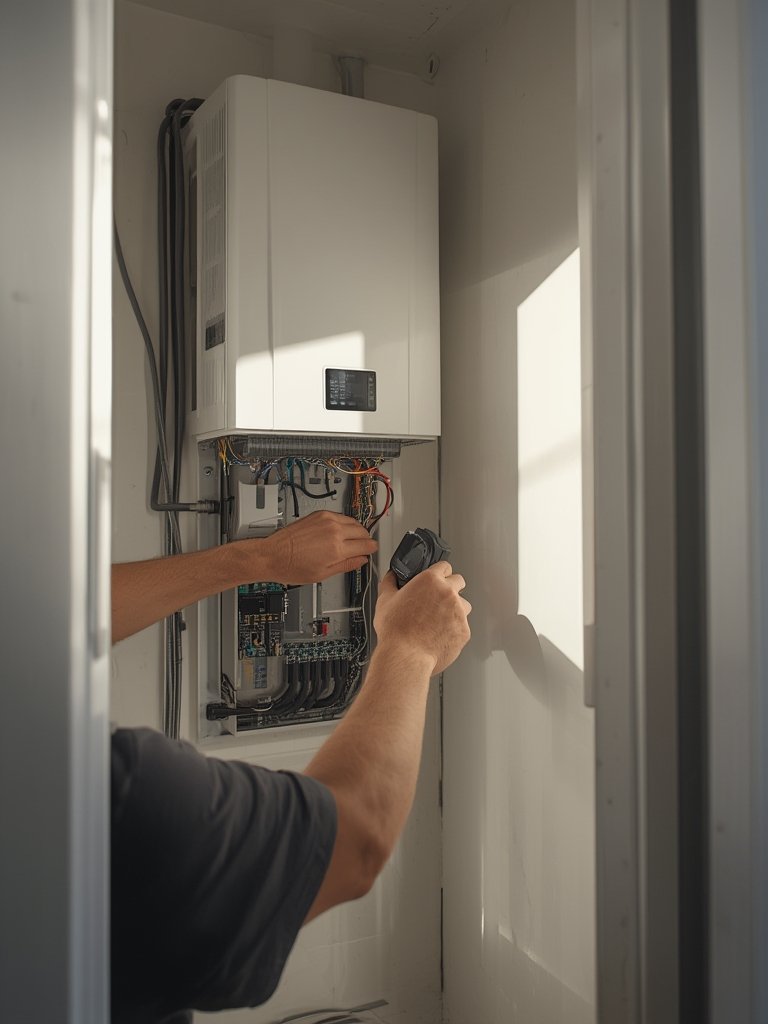
Looking for actionable strategies on configuring battery backup for outages? See these solar battery backup basics for step-by-step scenarios.
Advanced Analysis and Common Pitfalls
Even with falling prices, maximizing a home solar battery’s potential requires avoiding hidden headaches. Here are the most common pitfalls—plus how to avoid them.
- Underestimating total installed cost. Base sticker price rarely includes labor ($1,000–$3,000), main panel upgrades, or unforeseen permit fees.
- Battery lifecycle confusion. LFP batteries last twice as long as NMC but read the warranty fine print—some brands only warranty a percentage of original capacity or restrict cycles per year.
- Poor compatibility retrofits. Not all existing solar arrays or inverters support retrofit batteries; some require full inverter swaps, adding expense.
- Missing out on incentives. Many state and federal credits are first-come, first-served or have limits; waiting can cost thousands.
- Neglecting smart monitoring and updates. Without regular firmware updates, batteries might run less efficiently or miss software-driven safety improvements.
- Installation delays. Permitting, parts shortages, and scheduling add weeks or months in high-demand areas—always ask your installer for realistic timelines.
| Battery Model | Price (Total) | Capacity (kWh) | Price per kWh | Lifespan (Cycles) | Compatibility |
|---|---|---|---|---|---|
| Tesla Powerwall 2 | $8,400–$16,000 | 13.5 | $700–$900 | 4,000–6,000 (NMC) | High with solar systems |
| Bluetti AC300+B300 | $3,499 (expandable) | Up to 12 | $800–$1,000 | 6,000–10,000 (LFP) | Expandable for solar |
| LG RESU Prime / 10H | $6,000–$16,000 | 9.6–13.5 | $700–$900 | 4,000–6,000 (NMC) | Grid-tied solar |
| Generac PWRcell | $10,000–$22,000 | 3–20 | $800–$1,000 | 6,000+ (LFP options) | Modular, solar-ready |
| SunPower SunVault | $16,000–$19,000 | 13 | $1,000+ | Not specified | Solar-optimized |
| SonnenCore+ | $10,300 | 10 | $1,000+ | 10-year warranty | Home automation/solar |
See real-time battery cost and spec comparisons on NRGCleanPower’s solar battery guide.
- 2026 Battery Tech: LFP vs. NMC. LFP offers 6,000–10,000 cycles, 93–96% efficiency, lower maintenance, ideal for heat; NMC sacrifices some longevity for higher energy density at $700–$900 per kWh.
- Unpredictable performance in extreme cold or heat. Batteries may lose efficiency or degrade faster if not properly installed or if they lack temperature management features.
- Upgrading from solar-only to solar plus storage? Hidden costs include main panel upgrades, utility interconnection fees, and new monitoring equipment. Some inverters are incompatible with add-on batteries—requiring a costly overhaul of existing equipment.
If you want to dig deeper into battery chemistry and what’s coming next, read this side-by-side home battery storage comparison.

Conclusion
Home solar battery adoption is surging as prices drop and performance improves—especially for lithium-iron phosphate models—yet pitfalls around installation cost, warranty, and compatibility remain common. Do your homework, ask pointed questions, and reference up-to-date sources like EnergySage’s battery cost database for local pricing info. If you want expandable options, learn more in our expandable solar battery systems guide.
Ready to future-proof your home and claim incentives? Reach out to qualified local installers, or browse our solar batteries buyer’s guide for more technical tips and cost calculators. The home solar battery investment you make today will shape your energy costs—and peace of mind—for years to come.
Frequently Asked Questions
How much does a home solar battery cost on average in 2024?
Average installed cost is around $9,500 nationally, with regional prices ranging from $5,000 to $19,000 before incentives. Federal and local rebates can reduce costs by 30% or more. Source: Bluetti 2024 Cost Report.
What battery type is best for home use in 2026?
Lithium-iron phosphate (LFP) batteries offer 6,000–10,000 cycles and 93–96% round-trip efficiency. They’re well-suited for hot climates, deliver reliable long-term performance, and often have better warranties.
Are there hidden costs when upgrading existing solar panels with storage?
Yes. Hidden costs can include electrical panel upgrades, new inverter requirements, utility interconnection fees, and permitting. Always get a detailed quote and verify your current system’s compatibility.
How do I maximize incentives and rebates?
Apply early for federal tax credits and local programs like California’s SGIP. Incentives are often first-come, first-served and can run out. Confirm eligibility and application steps with your installer.
What’s the biggest mistake homeowners make with home solar batteries?
Not accounting for future energy needs or under-sizing the system. Also, some underestimate permitting delays or choose a battery type that doesn’t match their local climate or usage patterns.