

Level 2 EV charger installation is quickly becoming a necessity for homeowners switching to electric vehicles, but the process is often more complex, expensive, and regulated than people expect.
Key Takeaways
- Level 2 EV charger installation costs typically range from $800 to $2,500, with labor, equipment, and permitting all affecting the total price.
- Professional installation is strongly recommended due to safety, permit, and electrical code requirements—DIY approaches are risky and may violate local laws.
- Technical and permitting mistakes are common; knowing your electrical capacity and local rules is crucial to avoid expensive surprises.
- What Is Level 2 EV Charger Installation?
- How to Install a Level 2 Charger: Walkthrough
- Pitfalls, Permitting Mistakes, and Cost Traps
- Conclusion: Should You Install a Level 2 Charger?
- Frequently Asked Questions
What Is Level 2 EV Charger Installation?
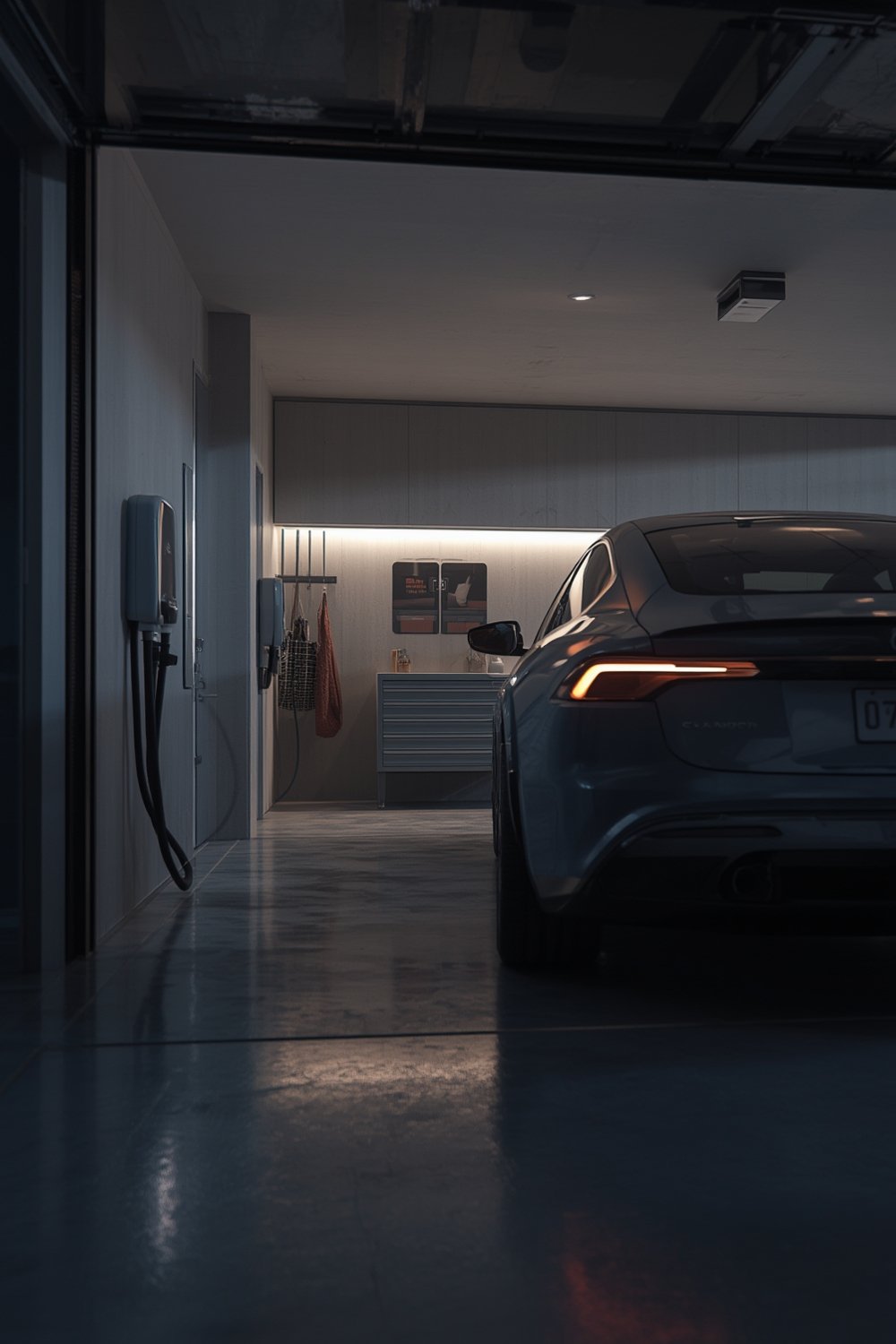
A Level 2 EV charger installation upgrades your home charging by connecting a dedicated 240-volt line and charger unit, reducing charging time to about 4–10 hours. Unlike Level 1 trickle chargers (using regular outlets), Level 2 EV chargers deliver much faster charging speeds—often up to 44 miles of range per hour for models like Tesla’s Wall Connector.
Level 2 installations involve new hardware, possible upgrades to your home’s electrical system, and complying with local electrical codes and permits. Most homeowners need a licensed electrician for safe and legal setup.
How to Install a Level 2 Charger: Walkthrough
-
Determine the Right Charger and Location
Compare brands and specs. Pick between a hardwired or plug-in model, and decide: garage or outdoor? Remember, outdoor setups require weatherproofing. -
Check Electrical Panel Capacity
Level 2 chargers require a 240-volt circuit and a dedicated breaker. Ensure your panel can safely support the added load, or plan for a costly upgrade. -
Secure Required Permits
Apply for local permits. Costs can range from $50 to $800. Complex areas like Los Angeles often require more paperwork. -
Hire a Licensed Electrician
A pro will handle correct wiring, installation, and paperwork. DIY here is risky and in many jurisdictions, illegal. Hiring an expert ensures code compliance and safety. -
Install and Test the Charger
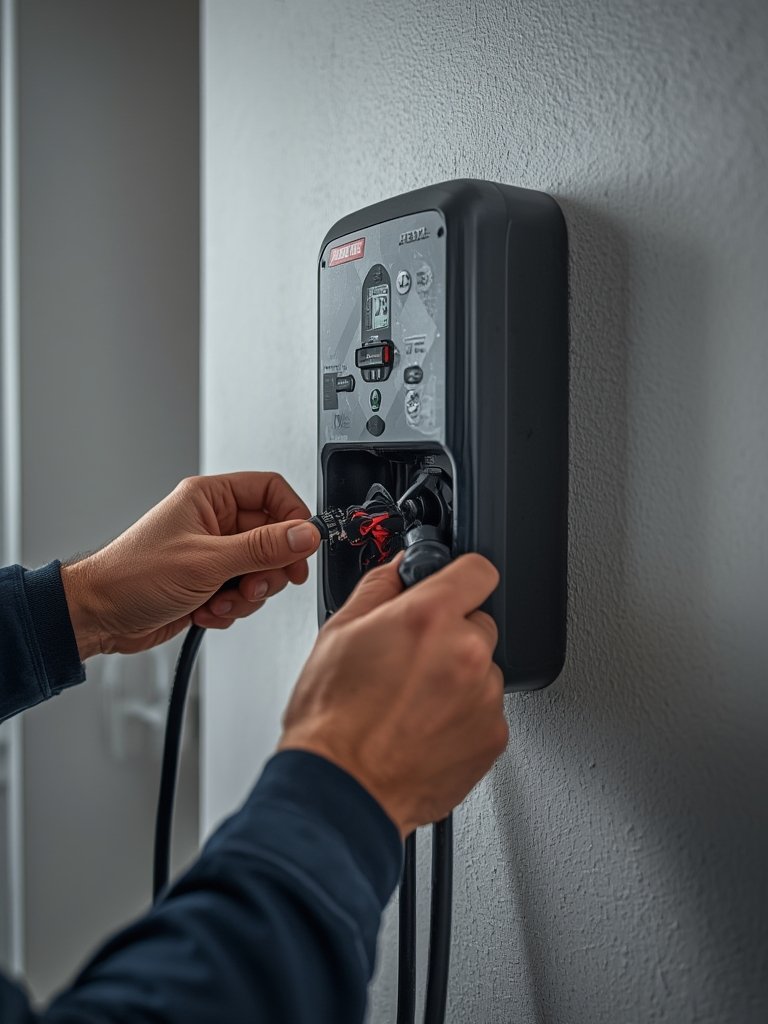
Electrician wires or plugs in your charger, installs a GFCI breaker, and tests the system for faults or nuisance tripping. -
Inspection and Final Paperwork
Most areas require a final inspection before your charger is legal to use. Avoid skipping this step—utility companies and insurance may deny claims otherwise.
Want a more comprehensive overview of installation costs? Our complete EV charger installation costs guide breaks down prices by scenario. If you live in California, check out our Los Angeles EV charging permit requirements breakdown before you start.
Pitfalls, Permitting Mistakes, and Cost Traps
Cutting corners or skipping proper steps often leads to delays, unexpected costs, or even serious electrical hazards. Here are the most common mistakes homeowners make:
- Underestimating Total Costs: The $800 minimum only applies if everything is already in place. Needing a panel upgrade or long run of wire can double or triple your price. Outdoor installations also require weather-rated gear.
- Ignoring Permits: Failing to pull the right permits can void home insurance and result in fines. Most cities—even for garage installs—mandate permits and final inspections.
- Choosing Plug-in Instead of Hardwired to Save Money: Code now often requires a GFCI breaker for plug-in models, which can cause nuisance tripping (interrupting your charging). Hardwired is usually more reliable but can cost more upfront.
- DIY Electrical Work: Professional installation is strongly recommended. DIY approaches are risky, may violate local laws, and are unlikely to be permitted or pass inspection.
- Insufficient Panel Capacity: Adding a high-powered charger to an undersized electrical panel is a safety hazard and a leading cause of failed permits.
| Aspect | DIY Installation | Licensed Electrician |
|---|---|---|
| Upfront Cost | Equipment only ($299+), but major risk of mistakes | $800–$2,500 (all-in, permits included) |
| Code & Permit Compliance | Often missed (may void insurance, violates law) | Fully compliant, permits drawn and inspections passed |
| Electrical Safety | High risk of shock/fire if improper | Safe – handled by experts, warranties apply |
| Post-Install Support | None | Usually included (warranty, support, repairs) |
For a detailed breakdown of electrical requirements and installation pitfalls, read our EV charging panel guide and consider local programs like Make-Ready in New York for potential incentives.
Curious about troubleshooting after installation? Our EV charger troubleshooting guide covers common post-installation issues, including nuisance tripping and GFCI problems.
Conclusion: Should You Install a Level 2 Charger?
Level 2 EV charger installation is a practical upgrade for any EV owner looking for faster, safer, and more convenient home charging. While the process can be costly and regulated, hiring a licensed electrician is the safest path. Avoid permit mistakes, check your panel capacity, and don’t cut corners. Ready to upgrade? Contact a local expert or review our EV charger installation checklist before you begin.
Want help assessing your specific Level 2 EV charger installation options? Get a custom installation quote from trusted local professionals now.
Frequently Asked Questions
How much does Level 2 EV charger installation cost in 2024?
Most installations range from $800 to $2,500 depending on equipment, labor, permits, and electrical upgrades. Hardwired or outdoor setups tend to cost more. Prices in major cities like Los Angeles average $700 to $2,000.
Source
Can I install a Level 2 EV charger myself?
DIY installations are strongly discouraged. Local codes often require permits, GFCI protection, and professional inspection. Improper wiring is a major safety risk that can void insurance and damage your home.
Will I need to upgrade my electrical panel?
If your existing panel lacks capacity for a dedicated 240-volt circuit, you’ll need an upgrade. These upgrades typically add $650–$2,000 to the total project cost.
Do I need a permit for Level 2 charger installation?
Yes. Permits are almost always required for new 240-volt circuits. Costs range from $50 to $800; the average is $310. Always check your local jurisdiction’s requirements.
What is the difference between plug-in and hardwired Level 2 chargers?
Plug-in chargers connect to a 240-volt outlet and offer portability but often require a GFCI breaker, which can cause nuisance tripping. Hardwired units are permanently installed, more reliable, and may have fewer issues with code compliance.