

Organic Modern Kitchen Design is transforming how people style their kitchens in 2024. Homeowners and designers are ditching sterile modern looks for warm, nature-inspired spaces that balance sleek lines with natural elements like wood and stone.
Key Takeaways
- Organic modern kitchens combine minimalist layouts with authentic natural surfaces for a calming, biophilic impact.
- Choosing sustainable materials and finishes—such as FSC-certified walnut cabinetry and matte stone—enhances authenticity and eco-friendliness.
- Pitfalls include sourcing challenges, higher costs, and maintenance, warranting a plan for upkeep and real-world expectations.
- What Is Organic Modern Kitchen Design & Why It’s Trending
- Step-by-Step Guide to Achieving an Organic Modern Kitchen
- Advanced Analysis & Common Pitfalls
- Conclusion
- Frequently Asked Questions
What Is Organic Modern Kitchen Design & Why It’s Trending
Organic modern kitchen design is the art of fusing clean, minimal modern lines with the warmth and character of natural materials. Think open spaces, light woodgrain cabinetry, and stone surfaces with subtle, matte textures. This trend is booming in 2024—with more than 70% of kitchen designers favoring nature-connected layouts, according to the NKBA 2024 Kitchen Trends Report. Homeowners crave the calming effects of bringing the outdoors in, favoring raw wood grains, warm earth tones, and biophilic accents.
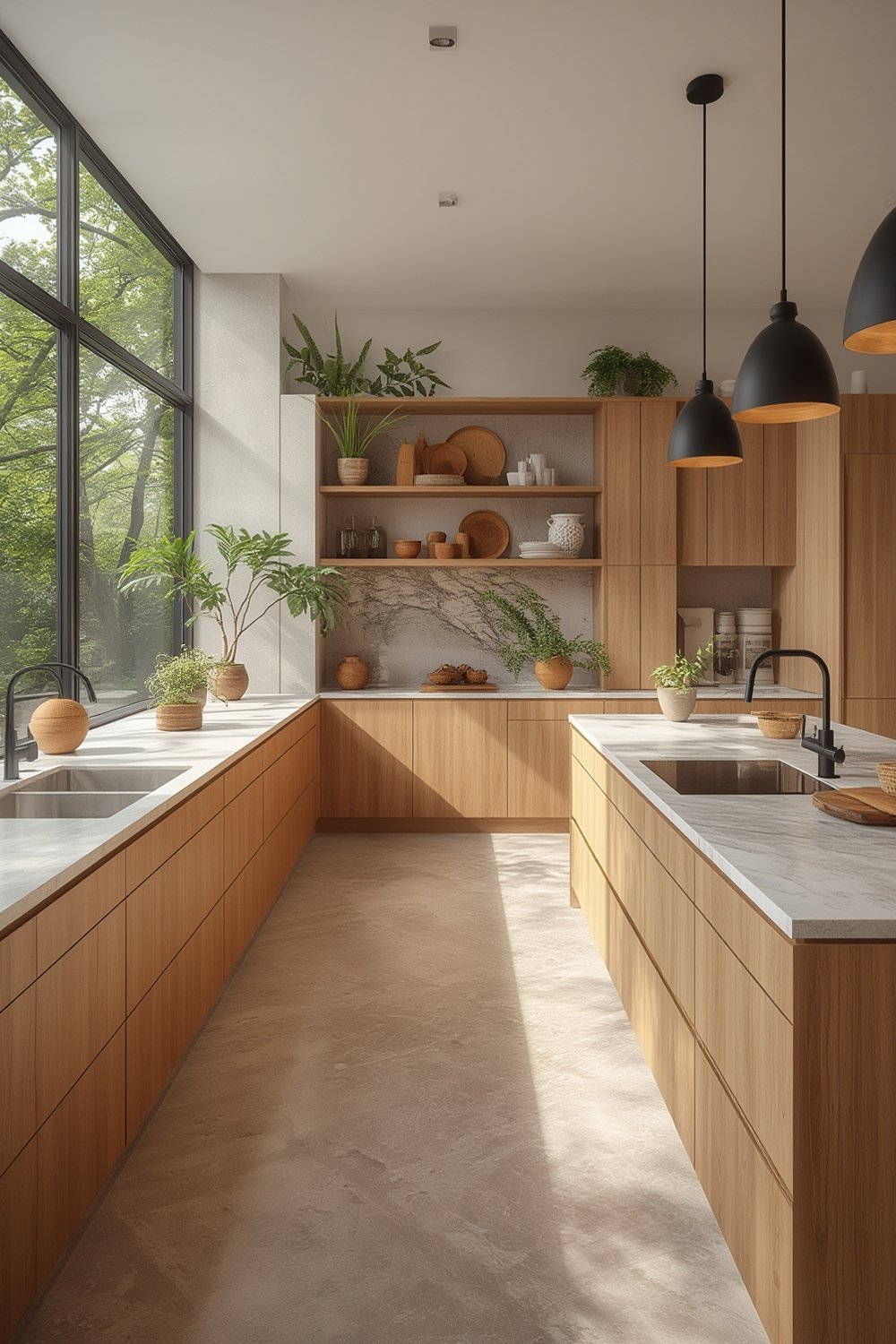
Unlike traditional or purely modern kitchens, organic modern design is never cold or harsh. Its core is to balance functional minimalism with rich textures and visible grains. This style values high-quality sustainable woods (often FSC-certified or reclaimed walnut cabinetry), stone countertops in honed finishes, and touches of greenery, all enhanced with abundant natural light. These choices are not just aesthetic: 35% of recent kitchen projects now center on eco-friendly materials, demonstrating a real market shift toward responsible design aligned with biophilic ideals.
Whether planning a new kitchen or remodeling, understanding the essence of organic modern style is the foundation for every decision—from material sourcing to final layout.
Step-by-Step Guide to Achieving an Organic Modern Kitchen
Ready to upgrade your kitchen to an organic modern showpiece? Here’s an actionable, honest roadmap based on today’s best industry data and real-world practices.
-
Start With Layout & Flow
Prioritize open, airy layouts that link the kitchen to adjacent living spaces and, ideally, the outdoors. Remove unnecessary upper cabinets. Use open shelving and larger windows for maximum light. -
Choose Authentic Natural Materials
Opt for high-texture woods, especially walnut or reclaimed oak, for cabinetry. For surfaces, look for stone in subtle, honed, or matte finishes that blend with the rest of the design. -
Balance With Sleek Modern Touches
Integrate quiet, sculptural modern lighting. Hardware in matte black, brass, or soft gold adds sophistication. Streamlined, handle-free cabinet doors keep the look uncluttered. -
Select a Harmonious Color Palette
Use warm whites, muted earth tones, and organic greens. Avoid stark black-white contrasts that sabotage the gentle vibe—the goal is calm but not cold. -
Prioritize Sustainability
Choose FSC-certified walnut cabinetry (learn more), recycled content, low-VOC finishes, and energy-efficient appliances for lower environmental impact. -
Bring in Natural Light & Living Elements
Emphasize large windows and live plants. A simple herb garden or climber on a shelf reinforces the organic theme—and it’s practical, too.
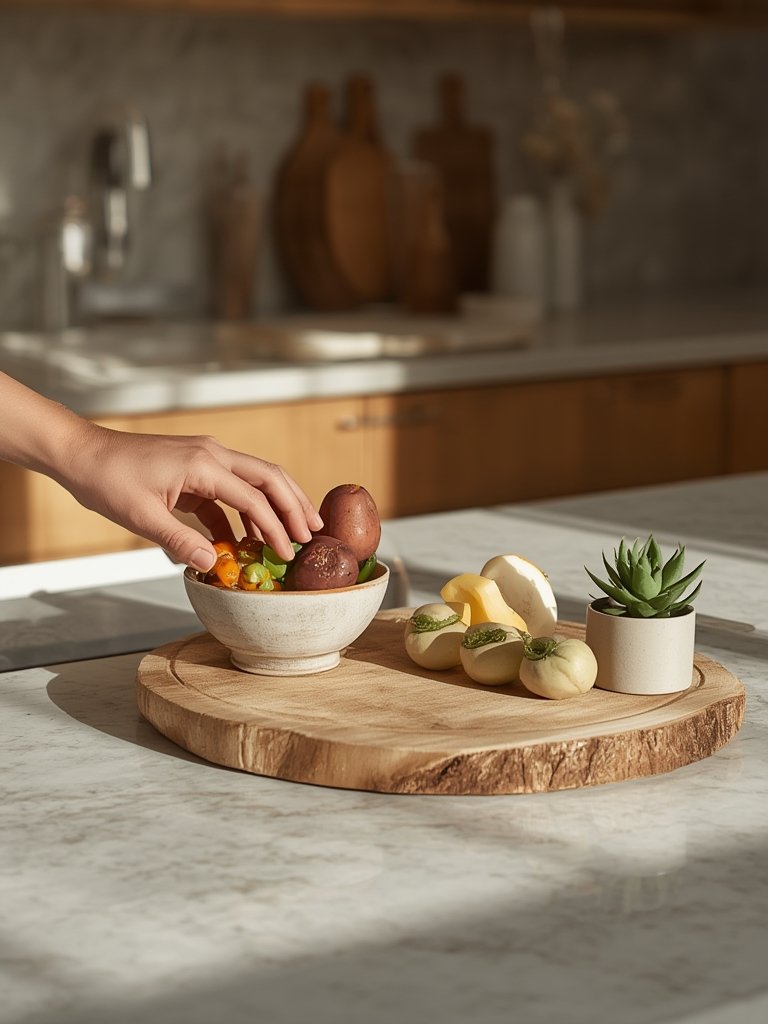
As you make each choice, regularly step back and visualize the full picture—not just individual materials or accessories. For deeper comparison of materials and DIY design workflows, our guide to eco-friendly kitchen remodel tips can help inform your process. Remember: organic modern is less about copying a showroom and more about creating flow, comfort, and honest textures that suit your lifestyle.
Advanced Analysis & Common Pitfalls
Organic modern kitchen design is not without its hurdles. Here’s a frank look at the challenges you might face, and how to avoid expensive mistakes.
1. Sourcing Challenges for Natural Materials
Getting the right natural walnut or raw stone may mean longer lead times and limited supply. High demand for FSC-certified or reclaimed wood, plus authentic honed stone, means what’s shown online doesn’t always match in stock or in person. Always confirm samples and delivery before committing to contractors or scheduling.
2. Maintenance & Durability Concerns
Maintenance is a recurring issue:
- Natural stone (especially honed finishes) is more susceptible to staining and etching versus polished or engineered options. Regular sealing is essential.
- Raw wood cabinetry needs periodic oiling or gentle cleaning—no harsh commercial products.
- Eco-finishes like low-VOC waxes may need more frequent reapplication.
Stone durability and cabinet longevity depends not just on the material, but on the installer’s expertise—invest in qualified craftspersons.
3. Budget Surprises
Expect costs for genuine walnut cabinets or real stone to run higher than typical kitchen updates. Finishes that meet the organic modern brief—like honed marble, recycled-content quartz, FSC walnut—command premium pricing. Plan contingencies (10–20%) for shipping, offcuts, and project delays.
Comparison Table: Real Wood vs. Wood-Look Cabinets
| Aspect | Solid Walnut Cabinetry | Wood-Look Laminate Cabinetry |
|---|---|---|
| Aesthetics | Unmatched depth & natural grain | Consistent, but lacks depth & warmth |
| Sustainability | High (if FSC or reclaimed) | Low to moderate (often synthetic core) |
| Maintenance | Requires gentle care, regular oiling | Easy, needs only wiping |
| Cost | $$$ – premium | $ – affordable |
Refer to our best kitchen cabinet brands guide for real-world options that balance budget and eco-responsibility.
4. Color & Texture Imbalance
One common mistake is overusing cool greys or too many mixed wood tones. Stick to a well-defined palette of warm whites, soft earths, and one or two natural wood species to prevent visual clutter.
5. Traps in Eco-Friendly Choices
Not all “green” materials are created equal. Beware of recycled-content brands that lack transparency or certifications. Always request environmental documentation and check finishes for VOCs or other emissions, as covered in our kitchen remodel planning resource.
For more sustainable strategies, see 2024 Modern Kitchen Design Highlights.
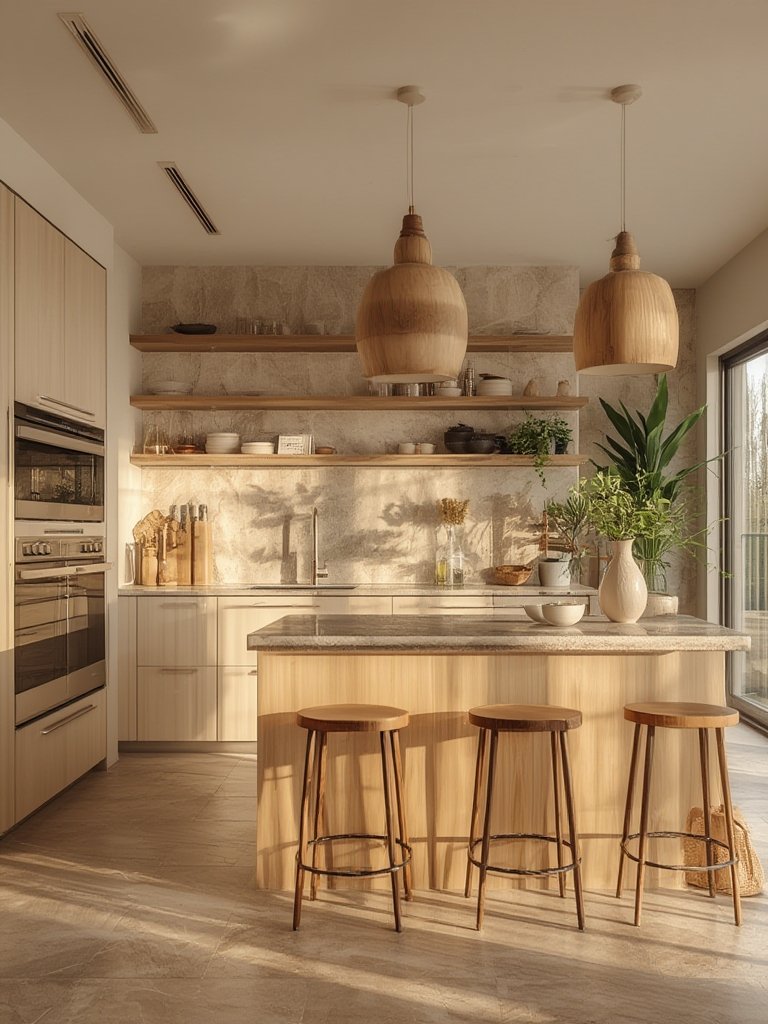
Conclusion
Organic modern kitchen design is about authenticity, connection to nature, and long-term value. By focusing on open layouts, honest materials, a natural color scheme, and eco-friendly practices, you can create a kitchen that’s both beautiful and practical. Remember the potential hurdles—cost, material care, and sourcing—but don’t let them stop you from realizing your vision. Start by reviewing our kitchen renovation checklist for a smooth process from start to finish. Ready to bring Organic Modern Kitchen Design into your home? Take the first step and explore sustainable material suppliers today.
Frequently Asked Questions
What are the most durable stone countertop options for organic modern kitchens?
Quartzite, granite, and honed quartz are popular choices for durability, but matte or honed finishes are essential for an organic look. These stones balance longevity and a natural, understated texture.
Which colors should I use for an authentic organic modern kitchen?
Focus on warm whites, muted earth tones, light woods, and touches of green or black metal. Avoid stark contrast and overly cool hues—aim for cohesive, calm harmony.
Is it possible to achieve the look on a budget?
Yes. Use wood-look laminates for cabinetry, stone-look porcelain for counters, and prioritize a few natural accents like open shelving or backsplash. Repurpose or refinish as much as possible.
How do I maintain sustainability in my kitchen remodel?
Choose FSC-certified wood cabinetry, recycled or reclaimed materials, low-VOC or VOC-free finishes, and energy-efficient appliances. Ask suppliers for proof of sustainable sourcing and certifications.
Where can I find inspiration and more advice for planning my organic modern kitchen?
Start with our guides on modern kitchen design trends, eco-friendly kitchen remodel tips, and kitchen cabinet materials. For national trends and data, review the NKBA 2024 Kitchen Trends Report.