
Soundproof windows for home are transforming how homeowners battle noise – but most people overestimate what these systems can actually do. If you live near busy streets, airports, or loud neighbors, finding realistic solutions is key. Here’s what you need to know before making the leap to a quieter, more peaceful living space.
Key Takeaways
- Soundproof windows typically block 50%-75% of outside noise, but do not eliminate noise entirely.
- Correct installation and proper sealing matter as much as the window itself for maximum noise reduction.
- acoustic window inserts offer an affordable, high-performance alternative to full window replacement.
- What Are Soundproof Windows for Home and Why Use Them?
- How to Effectively Soundproof Your Home Windows: Step-by-Step
- Advanced Analysis: What Usually Goes Wrong?
- Conclusion
- FAQs
What Are Soundproof Windows for Home and Why Use Them?
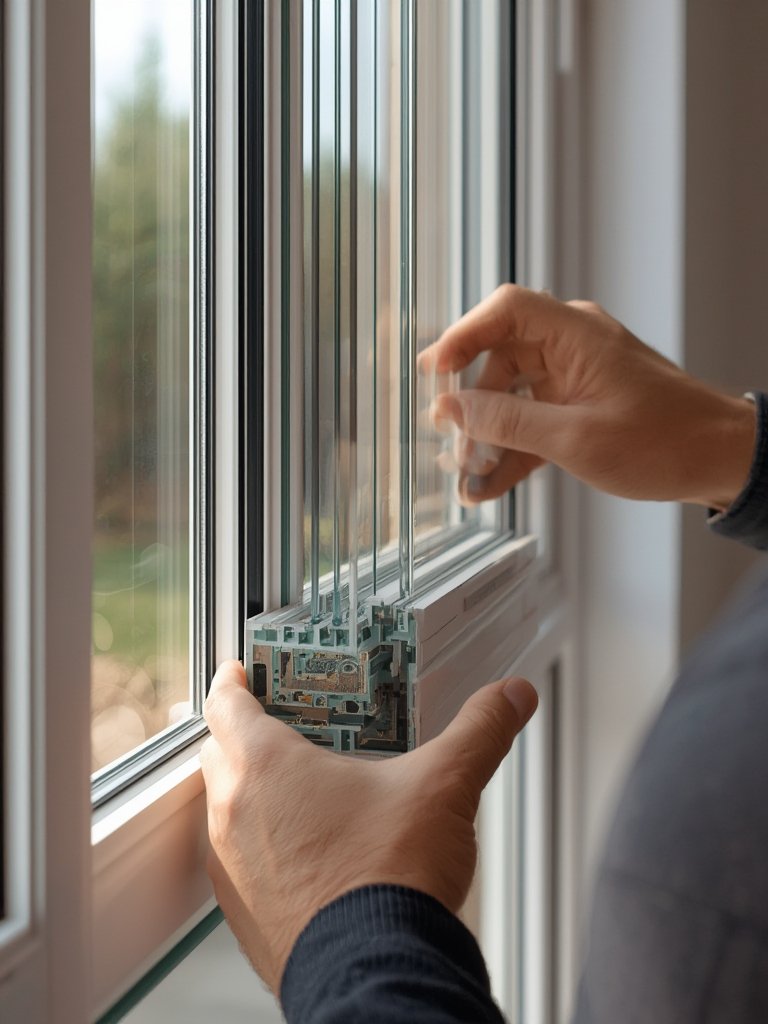
Soundproof windows for home are specially engineered window units or add-ons designed to reduce the level of outside noise entering your living space. Using thicker laminated glass, larger air gaps, and insulated frames, these windows can block a significant amount of noise compared to standard double-pane or single-pane units.

The main reason homeowners invest in soundproof windows is to improve comfort and sleep quality, especially for properties near highways, rail lines, flight paths, or urban environments. By reducing noise intrusion, these windows can also boost your home’s resale value and even contribute to better energy efficiency, thanks to advanced glazing and frame technologies. However, it’s crucial to have fair expectations: while high-performance models can block up to 75-95% of high-frequency noise (based on manufacturer claims), total silence is not possible—especially for deep rumbles or structural vibrations.
If you want even better noise reduction, acoustic window inserts can be installed in addition to your current windows. These inserts have proven to be particularly effective, sometimes achieving an STC (Sound Transmission Class) rating of 48-54 without the expense or hassle of replacing the window frame.[source]
For more insights on how window upgrades improve home comfort, see our guide on energy efficient window upgrades.
How to Effectively Soundproof Your Home Windows: Step-by-Step
Upgrading to soundproof windows for home is a significant investment, so planning and execution are essential. Here’s a step-by-step guide to maximize results:
-
Assess Your Noise Sources and Home Structure
Stand near your windows at peak hours, note the source and frequency of the noise. Low-frequency noise (like trucks or trains) is harder to block. Identify if sound is also coming through thin walls, vents, or poorly sealed doors. -
Decide Between Full Replacement or Window Inserts
- Full replacements (double, triple, or dissimilar thickness panes) cost $400-$1500 per window and involve construction. They’re best for severe, chronic issues.
- Acoustic window inserts fit inside your existing frames, starting at a lower cost, with fast installation. Top brands achieve STC 48-54, sometimes outperforming new windows for less money.[source]
See our full comparison in Window Inserts vs Replacement Windows.
-
Choose Technical Features for Maximum Sound Blocking
- Look for high STC ratings (45+ recommended for big city noise).
- Laminated glass with thick interlayers (PVB or EVA) dampens vibration and adds security.
- Air gaps of 1/2 inch or more between panes maximize sound absorption.
- Insulated frames (vinyl or fiberglass) outperform wood for airtightness and need less upkeep.[source]
For more detail on window types, see our Types of Home Windows overview.
-
Get Professional Installation and Extreme Sealing
Even the best window will underperform if installation is sloppy. Make sure installers use acoustic-grade caulking around the frame and fill all possible gaps. Request a post-installation inspection, especially if you live in an older or drafty building. -
Don’t Forget Ongoing Maintenance
Choose low-maintenance frames such as vinyl or fiberglass to cut down on long-term hassle. Wood frames are beautiful but require regular sealing and inspection.[source] -
Test and Monitor Results
Confirm noise reduction with decibel readings inside and outside after installation. If certain frequencies still get through (especially low rumbles), consider adding a heavy blackout curtain as a cheap extra barrier.For custom solutions, check our custom window designs resource.
Be sure to check with your local utility provider or energy office for any rebates related to energy efficient windows. While no major U.S. cities specify soundproofing incentives alone, many offer programs for energy savings — which modern soundproof windows often qualify for.
If you want to learn about window upgrades and energy savings, see our article on energy saving window options.
Advanced Analysis: What Usually Goes Wrong?
Not every installation delivers the flawless peace homeowners expect. Here’s where problems typically arise and how to keep your expectations in check:
- Low-Frequency Limitations: Even top-tier windows struggle with bass-heavy or vibration-based noise from trains and heavy trucks. No window currently blocks all low frequencies.
- Building Weaknesses: Sound can transmit through thin walls, electrical outlets, poorly sealed doors, and even the attic. Windows alone may only be half the solution, especially in older homes.
- Poor Installation: A single gap or weak seal lets noise leak through, rendering even a premium window ineffective. Always choose experienced installers who specialize in acoustic windows.
- Unrealistic Expectations: Many assume soundproof windows = silence. In reality, reductions around 60-75 percent are typical. You may still hear faint sounds — but they’ll be much less disruptive.
- Maintenance Oversights: Vinyl and fiberglass frames are low-maintenance but occasionally check seals/gaskets. Wood frames require yearly sealing to prevent leaks.
- Cost-to-Benefit Imbalance: Triple-pane or laminated glass windows can cost $700-$1500 each. Inserts (typically less expensive) may offer better noise reduction with no exterior disturbance.[source]
| Solution | Noise Reduction (STC) | Perceived Noise Cut (%) | Average Cost Per Window | Maintenance |
|---|---|---|---|---|
| Single-Pane Standard | 26-28 | Little to None | $200-$350 | Low |
| Double-Pane Vinyl | 28-32 | ~25% | $400-$800 | Low |
| Triple-Pane Specialized | 31+ | ~35%-50% | $700-$900 | Low |
| Laminated Glass | 35-40+ | 50-75% | $900-$1,200 | Moderate |
| Acoustic Window Inserts | 48-54 | Up to 75% | Varies, but lower than full | Very Low |
For more on keeping noise out, see home noise reduction tactics.

Conclusion
Soundproof windows for home can be a game changer if you know their strengths and weaknesses. They significantly reduce noise—especially at higher frequencies—but they won’t create total silence for every home. Choose top-tier technical features, invest in quality installation, and always address whole-house sound leaks for best results. Ready to take action? Explore your custom quote for soundproof windows today.
FAQs
How much noise reduction do soundproof windows really deliver?
Expect a typical reduction of 50%-75% of outside noise, with acoustic inserts sometimes pushing this higher. Results depend on the type of noise, installation quality, and your home’s structure.
Are soundproof windows worth the investment?
If outside noise regularly disturbs your sleep, focus, or well-being, they usually provide welcome relief and can boost resale value. For infrequent or moderate noise, quality curtains or inserts may suffice.
Do I need to replace my windows, or can I just add inserts?
Acoustic window inserts can be fitted into most existing frames and may be more cost-effective and just as powerful as full replacements, especially if your window frames are still in good shape.
Do soundproof windows also help with energy savings?
Yes. Modern soundproof windows use insulated glass and premium frames to boost both noise reduction and energy efficiency. This can help reduce heating and cooling bills by up to 12% in some cases.
Are there rebates or codes that help pay for soundproof windows?
There are no major US rebates specifically for noise reduction windows, but many energy efficiency incentives apply to double or triple-pane upgrades, often including soundproof models.