

Walk in tub vs shower is a critical question for anyone planning a safe, senior-friendly bathroom remodel. The stakes go beyond comfort—your decision impacts accessibility, long-term costs, and daily living safety. Here’s what you need to know (without any sales hype or sugar-coating).
Key Takeaways
- No current (2024) statistics reliably prove walk-in tubs reduce fall or injury risk versus showers, and both have hazards.
- Showers are often easier and cheaper to install than walk-in tubs, with better access for wheelchairs and caregivers.
- Walk-in tubs can increase comfort for users who enjoy soaking but bring specific safety and maintenance concerns.
- Walk In Tub vs Shower: Core Concepts Explained
- Actionable Guide: How to Decide & Proceed
- Advanced Analysis & Common Pitfalls
- Conclusion
- FAQ
Walk In Tub vs Shower: Core Concepts Explained
Choosing between a walk-in tub and an accessible shower is more than a style decision. For aging in place bathroom remodels, the focus is safety, independence, and ease of use both for seniors and anyone assisting.
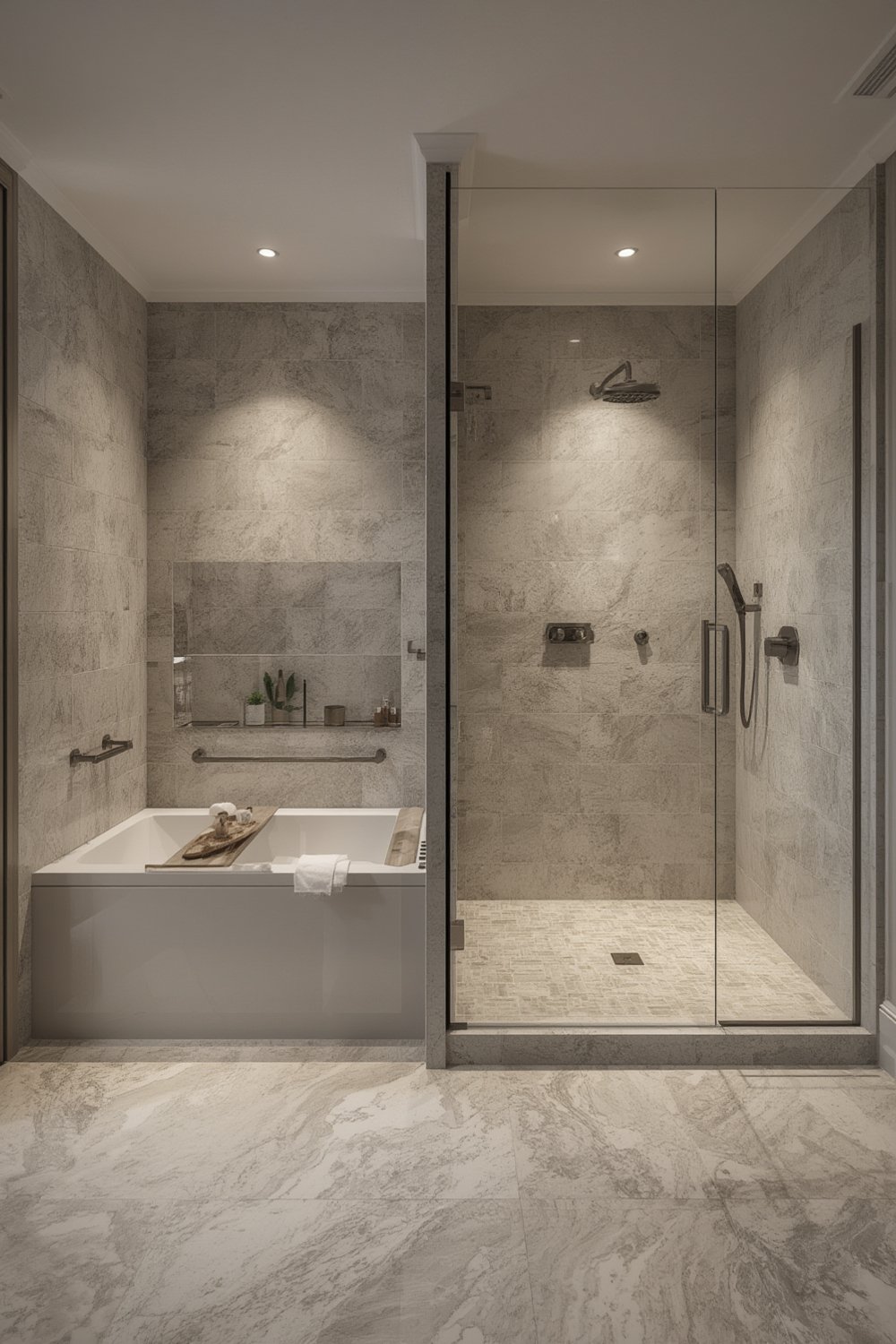
A walk-in tub allows you to step through a door into a deep seat, then fill the tub for soaking. An accessible shower (sometimes called a roll-in or curbless shower) offers a low-threshold entry, open floor space, handheld sprayers, and adaptable seating, making it flexible for mobility changes.
While walk-in tubs sound good for preventing high-step entries (a common fall risk), they have trade-offs—including slow draining and risks for those with limited mobility. Accessible showers are praised for universal design, but slippery surfaces and insufficient seating can still lead to falls.
This decision shapes your daily life, future proofing, and home value. Let’s break down the practical pros and cons.
Actionable Guide: How to Decide & Proceed
Use these steps to make an informed choice between a walk-in tub or a shower for accessibility:
-
Assess Mobility and Health Needs
Take stock of the user’s current and likely future mobility. Progressive conditions, wheelchair use, or physical weakness may limit walk-in tub usefulness. If assistance is needed now or may be in the future, prioritize open showers. -
Evaluate Bathroom Layout and Space
Measure your available area. Walk-in tubs require as much or more footprint than standard tubs and often need wall or plumbing modifications. Showers with curbless entry can fit almost anywhere a tub did, sometimes freeing up space for extra seating or grab bars. For more ideas, see our small bathroom makeover ideas. -
Set Realistic Budget and Timeline
Walk-in tubs generally cost more to buy and install than converting to a walk-in shower. Installation might take extra days due to plumbing and electrical work. Ask for itemized quotes and make sure contractors have aging-in-place credentials—see tips in choosing bathroom remodeling contractors. -
Plan Essential Safety Features
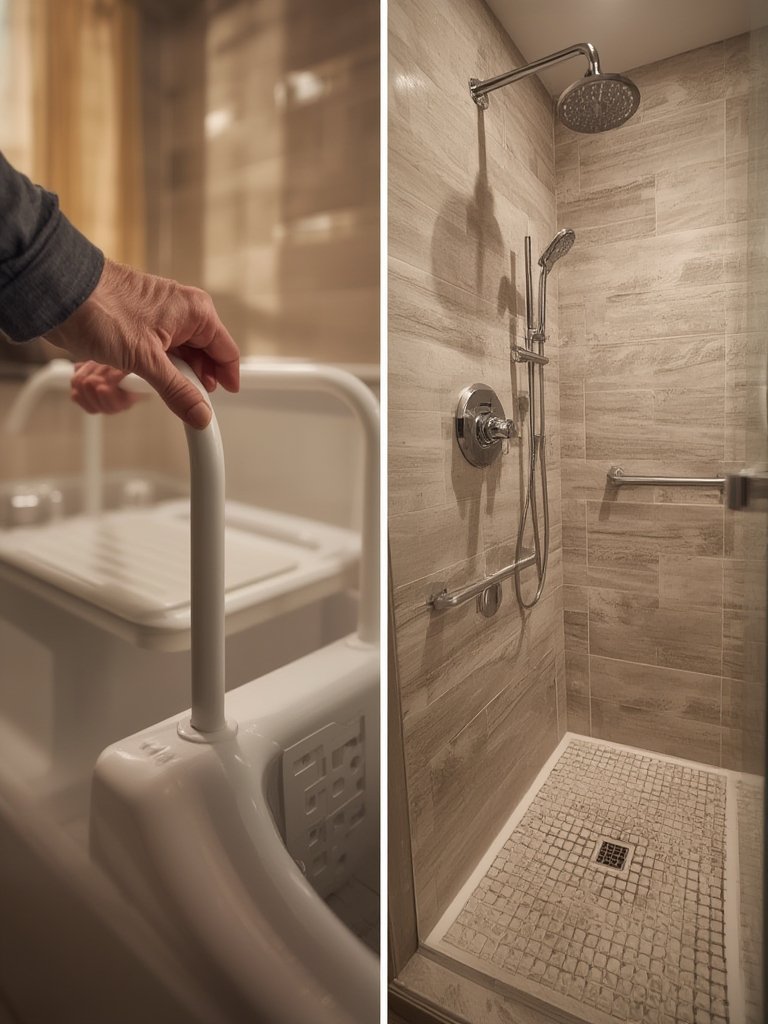
Both options should include grab bars secured into studs (not just drywall), anti-slip surfaces, and reachable shelves. Showers allow versatile placement, while tubs often come with fixed bars. If dementia or confusion is a risk, avoid complicated controls and door seals. -
Consider Ongoing Cleaning, Maintenance, and Water Use
Walk-in tubs must fill and drain completely, using lots of hot water and leaving users waiting inside—sometimes cold. Technical issues such as door leaks and pump motor failures are not uncommon (see real user complaints). Showers are simpler to maintain but need careful attention to water drainage and slip resistance. -
Think Ahead to Resale and Aging in Place
Many realtors and families find showers boost home resale value more than walk-in tubs, which can be seen as niche. A flexible ADA-compliant shower grows with changing needs, especially for those transitioning to wheelchair use or requiring in-home care.
For further advice on which approach fits your budget, our accessible bathroom remodel costs breakdown has example price ranges and space-planning tips.
Advanced Analysis & Common Pitfalls
Even with careful planning, both walk-in tubs and accessible showers bring real-world challenges. Here’s an unfiltered look at the top pitfalls, plus a direct comparison based on user feedback:
| Feature | Walk-In Tub | Accessible Shower |
|---|---|---|
| Installation Cost & Timeline |
Higher overall; major plumbing adjustments, sometimes new dedicated circuits. Can take several days. User installation experiences |
Generally less costly; straightforward tub removal. Faster for skilled installers, better for tight bathrooms. |
| Safety Risks |
Risk of slips on wet tub floor. High sides difficult for transfers. Drowning risk if user slides underwater during long drainage times. Door handle and lock may challenge users with dementia or poor grip. Common walk-in tub complaints |
Floor slips possible if water escapes or mat lacks grip. Shower chair falls happen if stability isn’t maintained. Still need vigilant assistance for those with poor balance. |
| Accessibility/Usability |
Good for those who prefer soaking. Not compatible with most wheelchairs. Confining for larger users or those needing extensive help. |
Full roll-in designs enable walker/wheelchair use. Easier for multiple caregivers to assist. Highly customizable for evolving needs. |
| Maintenance & Durability |
Frequent door seals/motor maintenance. Door leaks or pump burnout possible. More cleaning time. Service issues explained |
Minimal mechanical parts. Easy to clean floor and walls. Drainage/grout issues possible if not sloped well. |
| Water & Energy Use |
Requires a full tub of water per use. Longer heating times; user must wait during fill/drain. |
Less water required, especially with handheld showerhead. Flexible for quick rinses or assisted bathing. |
| Financial Coverage (Medicare/Medicaid) | No confirmed financial incentive, coverage, or rebate as of 2024. |
Same as walk-in tub—no Medicare/Medicaid help found. More info on funding |
Specific ADA mandates call for securely mounted grab bars, anti-slip surfaces, and barrier-free access. Real-world installs often cut corners (e.g., weakly mounted rails, controls too far from seat, insufficient drain slope). For more detail, see our essential guide to ADA compliant bathroom requirements.
- Walk-in tub pitfalls: Extended fill/drain times, uncomfortable waiting periods, back strain for caregivers, non-reachable shower heads, hidden maintenance costs, claustrophobia, and technical overwhelm for those with cognitive decline (see real-world story).
- Accessible shower pitfalls: Slippery floors, inadequate anti-slip matting, poor drainage design, accidental spills, and underappreciated fall risk if shower benches aren’t rock solid or rails aren’t in place.
Conclusion
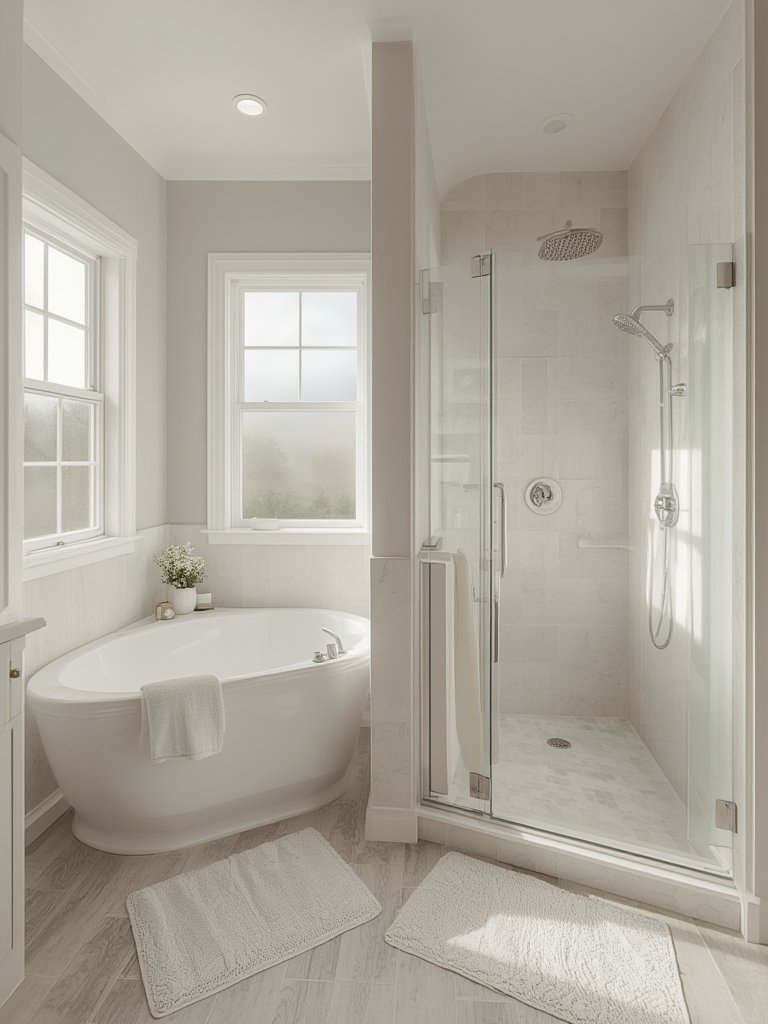
Both walk-in tubs and accessible showers offer ways to support aging in place, but there’s no one-size-fits-all answer. Costs, safety, and long-term usability depend as much on proper installation and individual needs as on the product type. For most, a well-designed accessible shower wins for long-term flexibility and lower risk, but for those who value soaking and can manage fill-wait-drain cycles, a walk-in tub can be a comfort.
Take time to review all the above steps, pitfalls, and real user feedback before choosing. If you’re ready to deep-dive into your options or want a quote for your own walk in tub vs shower upgrade, contact our team today for a personalized accessibility assessment.
FAQ
Is a walk-in tub really safer than a walk-in shower for seniors?
No clear data from 2024 confirms that walk-in tubs are safer than accessible showers. Both options reduce fall risk compared to regular bathtubs, but walk-in tubs still present hazards such as slips, drowning risk during draining, and back strain for caregivers.
How long does it take to install a walk-in tub versus a walk-in shower?
Walk-in tubs usually take longer due to complex plumbing and electrical work—often several days for complete retrofits. Showers can be installed quicker if replacing an existing tub and reusing plumbing, sometimes in just a day or two with an experienced crew.
What’s the average cost difference between walk-in tubs and accessible showers?
Walk-in tubs cost more overall, including purchase price and installation, especially if electrical and plumbing upgrades are required. Accessible showers are generally more affordable, both for new installs and conversions, and have better resale value for most homes.
Can Medicare or insurance help pay for a walk-in tub or shower upgrade?
As of 2024, no reliable financial incentives, rebates, or Medicare/Medicaid coverage are available for either walk-in tubs or ADA showers. Some local grants or nonprofit programs may exist—check with your local agency on aging.
What features are most important for senior bathroom safety?
Non-slip flooring, securely anchored grab bars, easy-reach controls, and well-drained surfaces are key. Tubs should have safe entry/exit and fast drains; showers should provide built-in or stable seating, anti-slip mats, and barrier-free entry.