
warm minimalist interior design is reshaping modern living spaces everywhere. With simple forms, organic materials, and cozy neutrals, this look is neither cold like classic minimalism nor chaotic like maximalism. If you want comfort, style, and calm—without clutter—this guide will help you master the essentials and avoid costly mistakes.
Key Takeaways
- Warm minimalist interiors combine clear lines with natural textures and earth-inspired colors for inviting, clutter-free spaces.
- The secret to success is layering tactile materials, warm palettes, and personal touches, not just removing items.
- Mistakes often include choosing sterile colors and skimping on cozy lighting, which makes spaces feel cold instead of welcoming.
- Understanding Warm Minimalist Interior Design
- How to Achieve a Warm Minimalist Interior: Step-by-Step
- Advanced Analysis & Common Pitfalls
- Conclusion
- FAQ
Understanding Warm Minimalist Interior Design
Warm minimalist interior style strips things back to essentials but avoids the “bare box” feeling. It replaces stark whites with earthy neutrals, combines functional furniture with tactile textures, and introduces natural elements like walnut, stone, and linen. This style emerged as a reaction to homes that felt sterile and lifeless, especially during increased time indoors post-pandemic. Now, designers and homeowners crave inviting environments that are also streamlined.
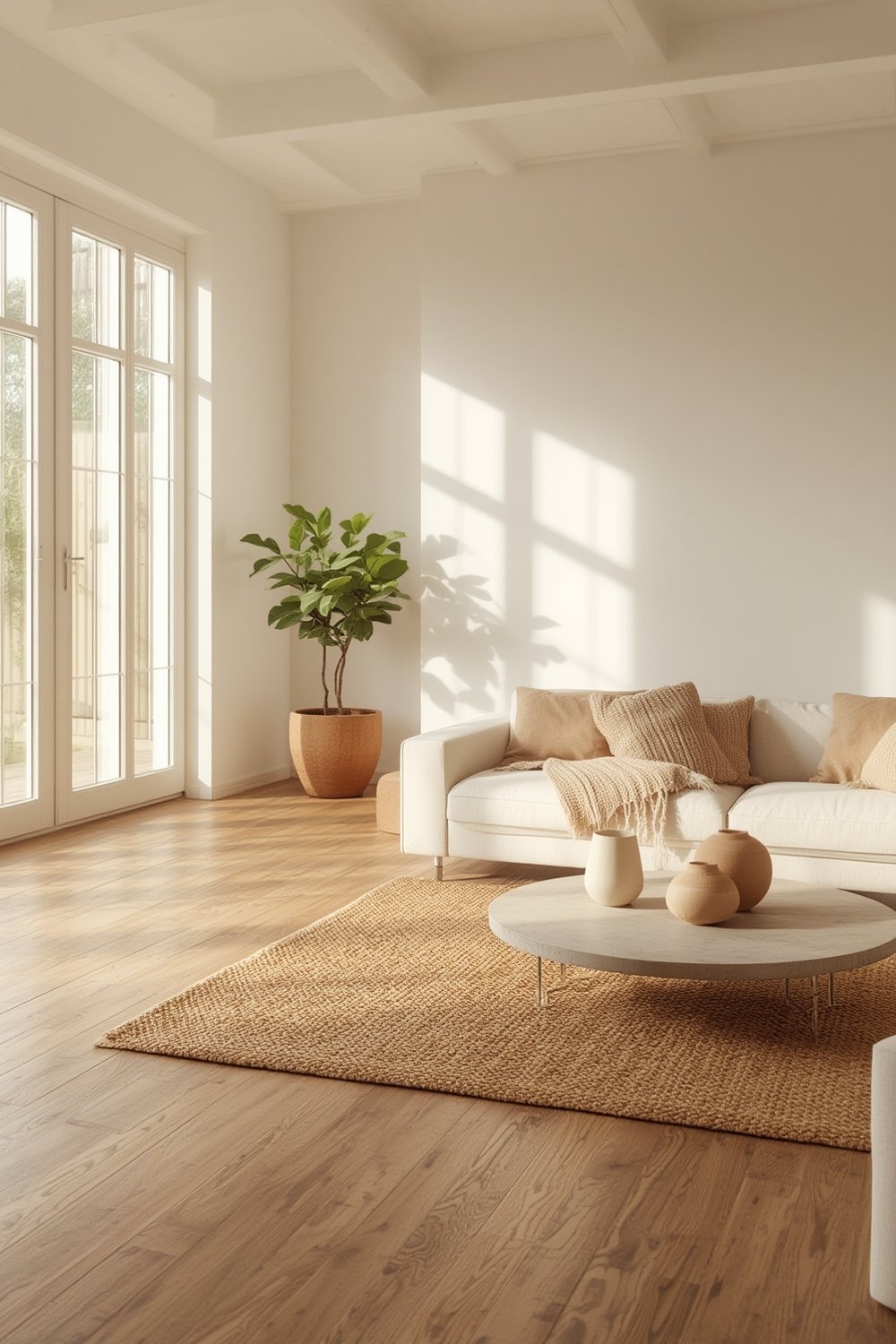
What sets this approach apart from traditional minimalism are its warm undertones—think light greens, deep taupes, burnt orange accents, and warm wood tones. Comfort is the focus, achieved using rich, textured materials, plush seating, and delicately layered light sources.
If you’re considering this design for your home, you aren’t alone. According to industry experts, the shift toward “soft” minimalism and cozy, organic modern decor is strong for 2024 and beyond. Popularity may vary by region, but the trend is clear: people want sophisticated simplicity with real warmth.
To take the next step, you might want to see how warm minimalism compares to styles like mid-century modern interior or explore subtle ways to add depth, similar to organic modern decor.
How to Achieve a Warm Minimalist Interior: Step-by-Step
Start small. You don’t need a full renovation to embrace the warm minimalist interior look. Below is a realistic, actionable plan, including honest advice on what works—and what often falls flat.
- Edit Ruthlessly, But Not Emotionlessly
Remove what doesn’t serve a purpose or spark joy—but leave objects with personal meaning: a vintage vase, artwork, or well-loved chair. - Choose a Warm, Cohesive Palette
Shift away from cold greys and whites. Try shades like light tan, sage green, burnt orange, and terracotta. According to this recent design study, these colors evoke comfort and are seeing increased use among professionals. - Invest in Material Depth
Mix plush IKEA wool rugs with vintage leather, sleek recycled metal, or a reclaimed wood coffee table. Even a single organic-textured accent—like a linen throw—can transform a sterile area into a welcoming one. - Layer Lighting
Rely on multiple light sources (floor lamps, wall sconces, table lamps) for warmth. Avoid harsh overheads. Opt for dimmers (learn how to use layered lighting) and bulbs with a color temperature of 2700K or lower for a golden tone. - Bring in Natural Elements
Try potted plants, ceramic vases, or granite trays. For a lived-in, tactile feel, choose natural woven baskets and antique decor. These authentic, handcrafted touches counteract showroom sleekness. - Keep Surfaces Functional but Lived-In
Clear counters and tables, leaving out only regularly used items or meaningful decor. Rotate art or books often for personality without clutter. - Prioritize Comfort and Flexibility
Select furnishings that invite you to relax: deep sofas, boucle armchairs, thick duvets. Choose quality over quantity—one beautiful mug or throw is better than many duplicates. - Personalize With Restraint
Display personal photos or heirlooms thoughtfully. One well-framed print or family reminder grounds a space more than a wall collage.
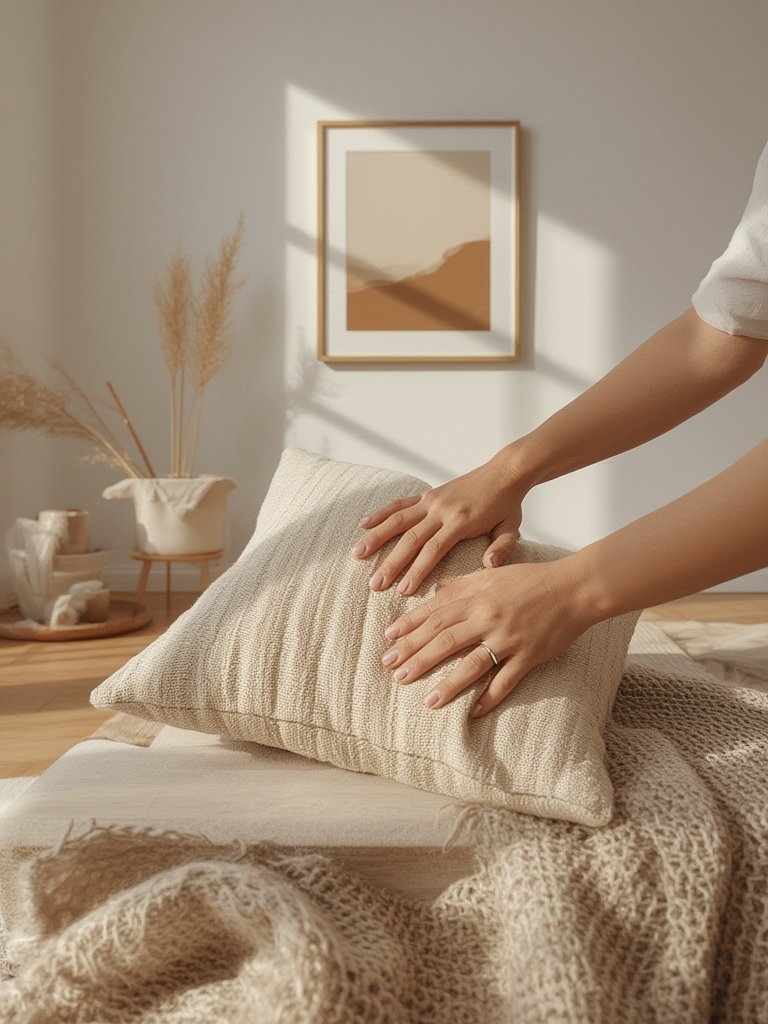
Using minimalist bedroom strategies as your blueprint, add tactile warmth with layered textiles in living spaces. For more product recommendations and ideas, review sources like Nazmiyal’s 2024 interior design trends.
Advanced Analysis & Common Pitfalls
Despite its popularity, executing a warm minimalist interior isn’t always straightforward. Here are the most common hurdles reported by both designers and homeowners—and how to sidestep them.
- Sterility: Overusing cold tones or failing to layer enough textures often results in a space that feels lifeless, despite a “clean” look.
- Underestimating Lighting: Skimping on soft, multi-sourced lighting creates harsh shadows, making rooms feel flat and uninviting.
- Budget Surprises: Warm minimalism often requires more investment in quality textiles, woods, and natural materials—potentially increasing costs compared to basic minimalism.
- Clutter Creep: Overcompensating with accessories ends up looking accidental rather than curated. The trick is to edit rigorously and display only meaningful or tactile decor.
- Zoning Mistakes: Neglecting clear zones (reading, dining, relaxing) can make even the warmest space feel unfinished.
| Mistake | What Happens | How to Fix It |
|---|---|---|
| Too Many Cool Tones | Room feels cold and impersonal | Switch to earthy palettes (tan, sage, warm wood) |
| Minimal Textures | Surfaces seem flat; lacks depth | Add velvet, wool, ceramics, handwoven accents |
| One-Source Lighting | Uninviting “institutional” overall look | Layer table lamps, sconces, soft bulbs, candles |
| All-New Furnishings | No history or personality; feels staged | Blend antiques or reupholstered vintage items |
If you’re running into these pitfalls, make sure to reference guides like incorporating earthy tones and layering textiles effectively for further troubleshooting.
Conclusion
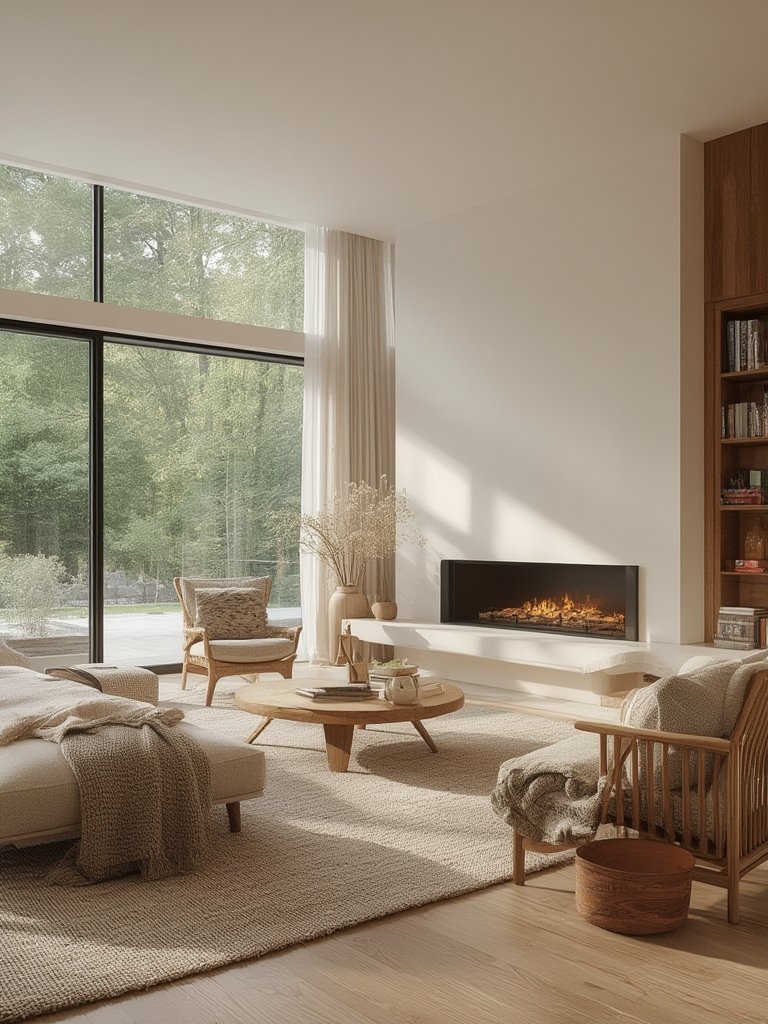
A well-executed warm minimalist interior offers clarity, coziness, and character—without sacrificing tranquility. By focusing on tactile materials, natural palettes, layered lighting, and meaningful personalization, you can transform any room into a sanctuary that feels both sophisticated and truly lived-in.
Ready to create your own warm minimalist interior? Start with a single “soft zone” today and play with layers, texture, and light. For more inspiration, explore our articles on minimalist living room upgrades and signature neutral color palettes. Share your progress—or your questions—in the comments below!
FAQ
How do I make sure my space doesn’t end up feeling cold or empty?
Focus on earthy, warm colors and plenty of tactile materials. Incorporate objects with personal meaning, and add at least two or three light sources per room. Art and greenery also help prevent the impersonal “museum” look.
Which warm minimalist color combinations are most recommended?
Designers often use light tan and blonde woods for the base, then bring in sage green, rust, deep walnut, and muted terracotta. These pair well with white or off-white walls for balanced warmth.
Does this style require expensive furnishings?
Not necessarily, but higher quality, natural materials (wood, wool, linen) typically cost more than synthetic basics. You can balance by mixing vintage, hand-me-downs, and a few pricier “hero” pieces.
What lighting should I avoid in a warm minimalist interior?
Avoid harsh overheads and ultra-cool LED bulbs. Instead, use soft white (2700K or lower) lamps and add dimmers for control. Layered lighting (table lamps, sconce, candles) adds depth and warmth.
Are there regional influences or trends specific to warm minimalism?
Non-U.S. designers often lean into light brown and tan palettes, while U.S. homeowners post-2020 have embraced color and personal touches. The shift since the late 2010s is driven mostly by a desire for emotional comfort and functional, beautiful spaces.