
Whole home water filtration system cost is a critical consideration for any homeowner aiming to protect their water quality, but what you’ll actually pay in 2024 depends on equipment, installation, and hidden factors that most guides skip. Knowing the real numbers and how to avoid common money traps saves you time, frustration, and thousands of dollars in the long run.
Key Takeaways
- The average whole home water filtration system cost in 2024 is $2,050 to $2,500, but the true range spans $850 to $10,000 depending on system type and complexity.
- Home size, water source, plumbing work, and filtration stages raise or lower your total investment more than most buyers realize.
- Choosing the right system and installer—and planning for annual maintenance—directly impacts both long-term affordability and satisfaction.
- Understanding Whole Home Water Filtration System Cost
- Step-by-Step Guide to Calculating and Controlling Your Cost
- Advanced Analysis & Common Pitfalls
- Conclusion
- FAQ: Whole Home Water Filtration System Cost
Understanding Whole Home Water Filtration System Cost
A whole home water filtration system (also called a point of entry system) removes contaminants from your water as it enters your property—covering all faucets, showers, and appliances. In 2024, the cost of these systems varies dramatically based on the technology you choose:
- Carbon filters: $800 to $1,500 is standard; basic activated carbon setups can be as low as $300 to $900. These are best for treating chlorine, sediment, and general taste issues.
- Reverse osmosis: Expect $4,800 to $8,000, with high-end up to $10,000. RO is essential for removing a broader range of contaminants, but it’s pricier and uses more water.
- UV System: $500 to $1,500, and up to $2,900 bundled with other units, mainly targeting microorganisms but not removing dissolved solids.
- Well water filtration: $800 to $4,000, often requiring extra filters for iron, bacteria, or sulfur.
Installation itself, system add-ons (like electrical work or permits), and the number of filtration stages—ranging from $300 to $2,300 for up to five stages—influence your final outlay. Labor clocks in at $45 to $150 per hour (source).
If you have municipal water, expenses may stay lower. Wells often need more advanced treatment. Extensive plumbing modifications, additional outlets ($150 to $350), or permits ($30 to $500) add up quickly (source).
For an in-depth walk-through of factors determining your installation cost, check out our comprehensive Water Filtration System Installation Guide or dive into our analysis of Well Water Filtration System Costs.
Step-by-Step Guide to Calculating and Controlling Your Cost
Ready to budget—and potentially save hundreds or thousands—on your whole home water filtration system? Here’s a realistic, actionable process for any homeowner:
- Test Your Water — Either use a DIY kit or hire a professional. This shapes which contaminants you must address (iron, chlorine, bacteria, PFAS, etc.), and determines your minimum filtration requirement. Skip this, and you risk wasting money on unneeded features.
- Choose the Right System Type — Select carbon, reverse osmosis, UV, or hybrid systems based on your test results and local water source. Reverse osmosis is overkill for mild chlorine, but vital if you’re tackling salts or multiple contaminants.
- Get Multiple Quotes — Request detailed, itemized estimates from at least three licensed installers. Insist on a breakdown of labor, parts, plumbing/electrical modifications, and ongoing maintenance. Never rely on a single quote.
- Factor in Electrical and Plumbing — Account for hidden costs, like outlet installation ($100 to $450) or complex pipe rerouting. Some setups need significant work, others drop in with minimal fuss.
- Ask About Filtration Stages — Systems with more stages will cost more upfront ($300 to $2,300 for five-stage models), but may mean cheaper annual maintenance or less frequent cartridge changes.
- Get Maintenance Pricing in Writing — Annual filter replacement and cleaning runs $50 to $300, with repair costs hitting $800 or more for certain issues (source). Don’t just focus on the install—total cost of ownership is what matters most.
- Install at the Ideal Location — Where your main water line enters the house is preferred, but retrofitting or basement installs can save on labor in some homes. Check our Whole House Water Filter Placement Guide for tips.
- Verify Permits and Inspections — Don’t skip local approval or you might face costly rework.
To stretch your budget further, consider these unconventional approaches:
- Use manufacturer promotions or seasonal installer discounts for significant savings.
- Bundle UV or sediment-filter add-ons only if your water test identifies those needs.
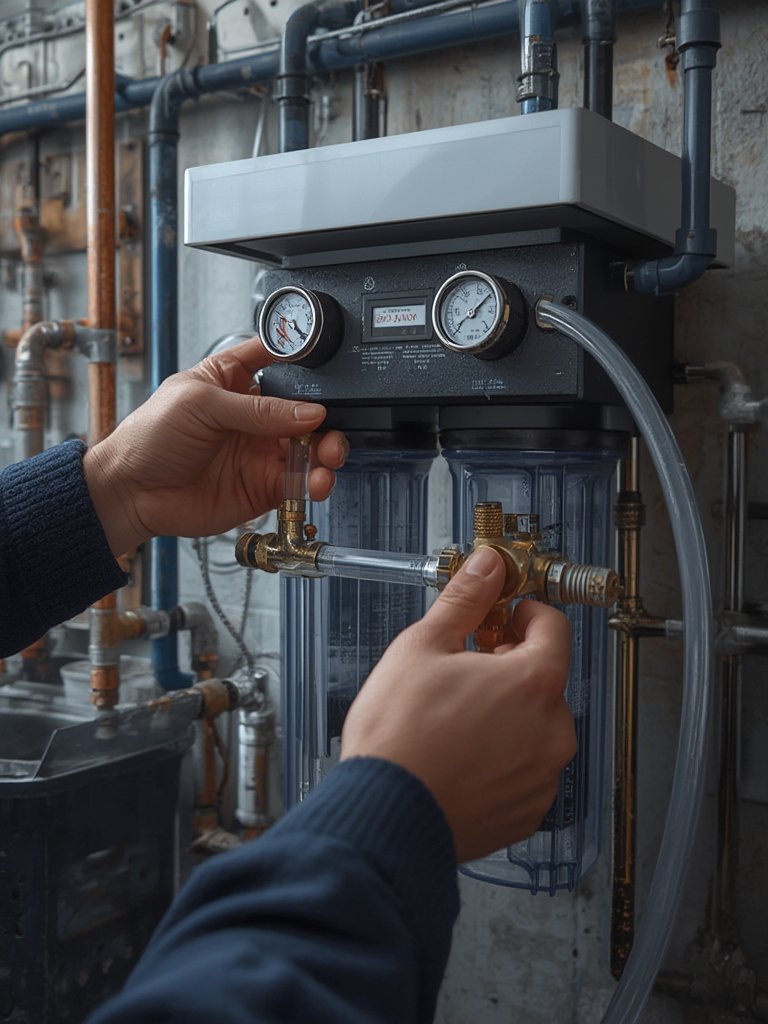
- DIY installation is possible for basic carbon units, but advanced reverse osmosis or well systems always require professional installation to keep warranties valid.
For an inside look at water filter lifespan and annual replacement costs, visit our guide on Water Filter Maintenance Guide, and always verify your ongoing expenses before buying.
Advanced Analysis & Common Pitfalls
While the average upfront whole home water filtration system cost is straightforward, homeowners frequently stumble into avoidable issues. Here are the most common pitfalls and advanced considerations most competitor articles never mention:
- Overbuying on Technology: Choosing reverse osmosis or multi-stage when a $1,000 carbon filter would have done the job. Test results—not marketing hype—should drive your decision.
- Ignoring Maintenance Costs: $50 to $300 per year is typical, but well water systems and high-use homes trend higher. Not budgeting for filter changes leads to loss of performance or expensive repairs down the road.
- Complicated Installations: Custom plumbing or electrical reroutes drastically inflate your invoice. Homes with tight spaces or nonstandard piping see higher labor costs, up to $600 or more.
- Skipping Water Testing: Guessing at contaminants results in wasted money or unresolved water issues. It’s the #1 mistake in system selection.
- Assuming Rebates or Incentives Exist: In 2024, there are no nationally documented rebates, tax incentives, or utility company discounts for whole home systems—even after water contamination events. Always verify with your local agencies, and don’t bake invisible savings into your calculation.
- Undersizing for Large Homes: If your filter isn’t rated for your home’s square footage, you risk poor flow rates and uneven filtration—common in homes over 2,500 square feet.
- Forgetting About Repairs: Repairs can run $50 to $800 depending on the system, and are more likely in homes with high sediment or well water.
- PFAS and Specialty Contaminant Coverage: Most systems do not natively remove PFAS or other “forever chemicals,” and cost data for PFAS-specific filtration is still unknown. If this matters, get custom quotes and written documentation of contaminant reduction claims.
| System Type | Typical Installed Cost | Annual Maintenance | Best for… | Key Downsides |
|---|---|---|---|---|
| Carbon Filter | $800 – $1,500 | $50 – $150 | Chlorine, taste, odor | Limited for heavy metals, PFAS |
| Reverse Osmosis | $4,800 – $10,000 | $150 – $300 | Broad spectrum, including salts | High cost, slow flow, higher waste |
| UV System | $500 – $2,900 | $60 – $180 | Bacteria, viruses | Does not remove dissolved solids |
| Well Water | $800 – $4,000 | $100 – $300 | Custom contaminant removal | Complex, requires regular testing |
If you’re still weighing options, read our Best Whole House Water Filtration Systems breakdown, which addresses affordable options for difficult water sources and long-term savings strategies.

Conclusion
Final costs for a whole home water filtration system in 2024 come down to careful planning. Most homeowners spend $2,050 to $2,500—but every dollar depends on your system choice, home size, and commitment to maintenance. If you want to guard your family’s health and avoid overpaying, get multiple quotes, confirm contaminant coverage, and plan for ongoing filter changes and repairs. Want help pinning down your whole home water filtration system cost? Get started with our free water quality assessment or connect with a pre-vetted installer today.
FAQ: Whole Home Water Filtration System Cost
How much does a whole home water filtration system cost in 2024?
The average cost ranges from $2,050 to $2,500, with total system and installation prices anywhere from $850 to $10,000 depending on the type, home size, and extras required. Carbon filters are least expensive, while reverse osmosis and advanced well water systems top the range.
What factors affect the cost of installing a water filtration system?
System type, filtration stages, home size, plumbing complexity, electrical work, and your local water source all play major parts. Additional labor for retrofitting, outlets, and permits may add to your final price.
Are there any rebates, tax incentives, or discounts available?
Currently, there are no nationally recognized rebates, tax incentives, or utility company discounts for whole home water filtration systems in 2024. However, check with your local health department or water utility for possible regional offers.
What are annual maintenance and replacement costs?
Expect to pay $50 to $300 per year for filter replacements and general maintenance. Some systems, especially for well water or reverse osmosis, may require more frequent or expensive upkeep and occasional repairs costing up to $800.
Do I need a professional installer?
Professional installation is highly recommended, especially for reverse osmosis, whole house well water, or when electrical work is needed. DIY installation is possible for basic carbon systems, but skipping a pro can void warranties and create expensive problems.