

Electric panel upgrade projects are more crucial than ever as homes add EV chargers, solar panels, and smart appliances in 2024. If your breaker box is old, overloaded, or just can’t keep up, the stakes for safety and compliance are high. Here’s what you must know to avoid expensive mistakes and future headaches.
Key Takeaways
- Electric panel upgrade costs range widely: $2,500 to over $6,000, with labor and permits as the main variables.
- Region, building code, and service type (100-amp, 200-amp, 400-amp) drive both cost and complexity—city dwellers and those in older homes should budget for surprises.
- Legal, insurance, and future-ready upgrades (solar, EV) are under-discussed but essential to get right for long-term ROI and coverage.
- Electric Panel Upgrade: The Core Concept
- Step-by-Step Guide to Upgrading Your Electric Panel
- Advanced Analysis & Common Pitfalls
- Conclusion
- FAQ
Electric Panel Upgrade: The Core Concept
An electric panel upgrade involves replacing your home’s main service panel—usually to boost its amperage capacity, improve safety, and comply with the latest codes. Most modern homes need at least 200-amp upgrades to run HVAC, kitchen appliances, EV chargers, and, increasingly, solar or battery systems. Upgrades aren’t just about avoiding nuisance trips—they’re crucial for insurance, code compliance, and even property value. Learn more about panel types here.
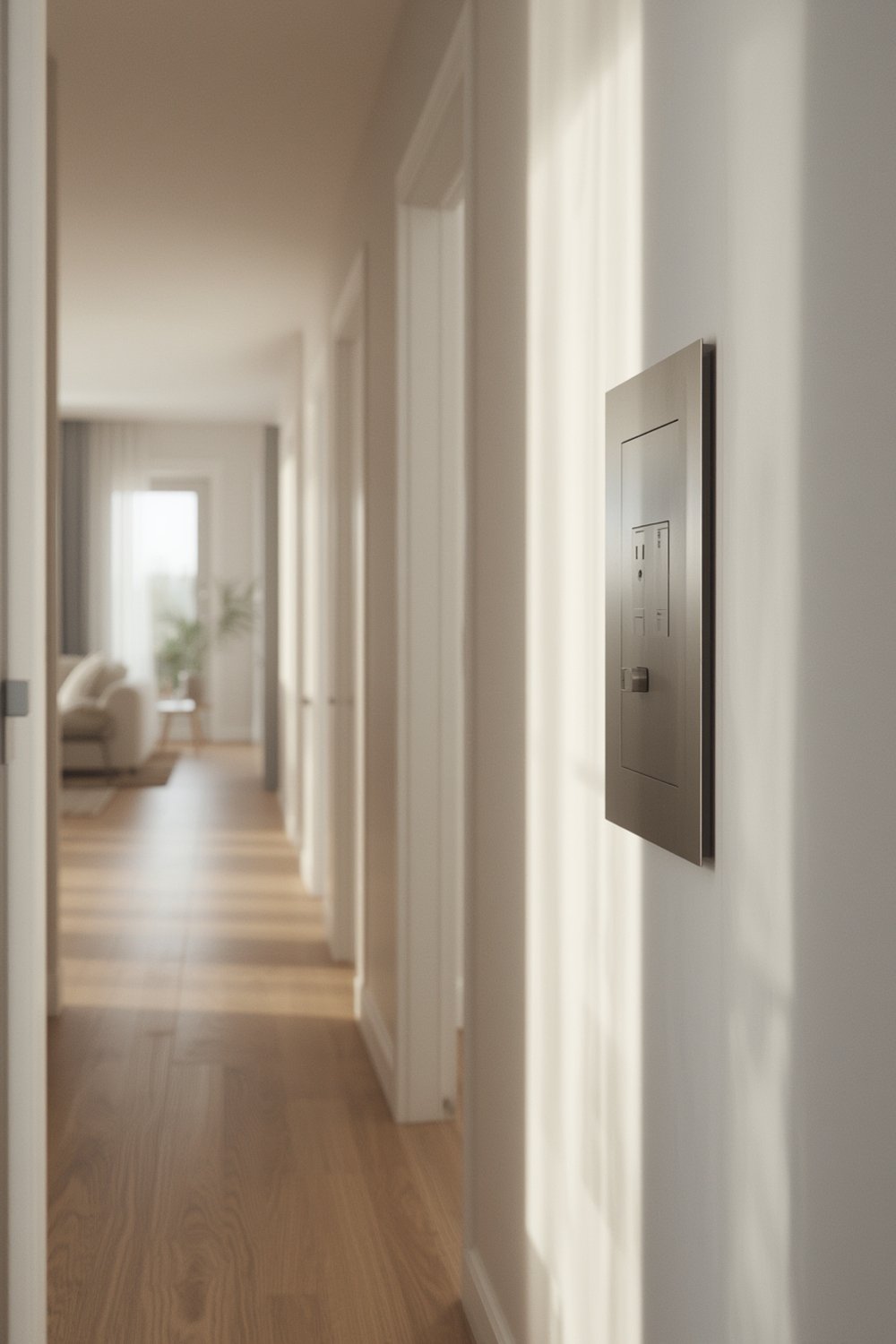
Without a compliant, correctly sized breaker box, homeowners risk failed inspections, insurance complications, and even fire hazards. While upgrades aren’t cheap, the hidden costs of sticking with a worn-out panel are much steeper in the long run. Recent data from industry reports puts national costs for 200-amp upgrades between $3,500 and $4,500, with cities like Orange County running as high as $6,000. Get our full inspection checklist.
Step-by-Step Guide to Upgrading Your Electric Panel
- Assess your needs and panel size: Determine if you need a 200-amp panel or if a 100-amp replacement suffices. Consider future upgrades, like EV charging and solar. Not sure? Ask a licensed pro for a load calculation or check out our breaker box sizing guide.
- Get quotes from licensed electricians: Compare rates, brands, warranties, and whether permits are included. For example, labor can be $1,500–$3,500, hardware $300–$800, and permits $50–$500 (source).
- Schedule permitting and utility shutdown: All upgrades require permits and a final inspection. Your electrical contractor handles this but confirm specifics—fees and hassle can differ across regions as detailed in our state cost guide.
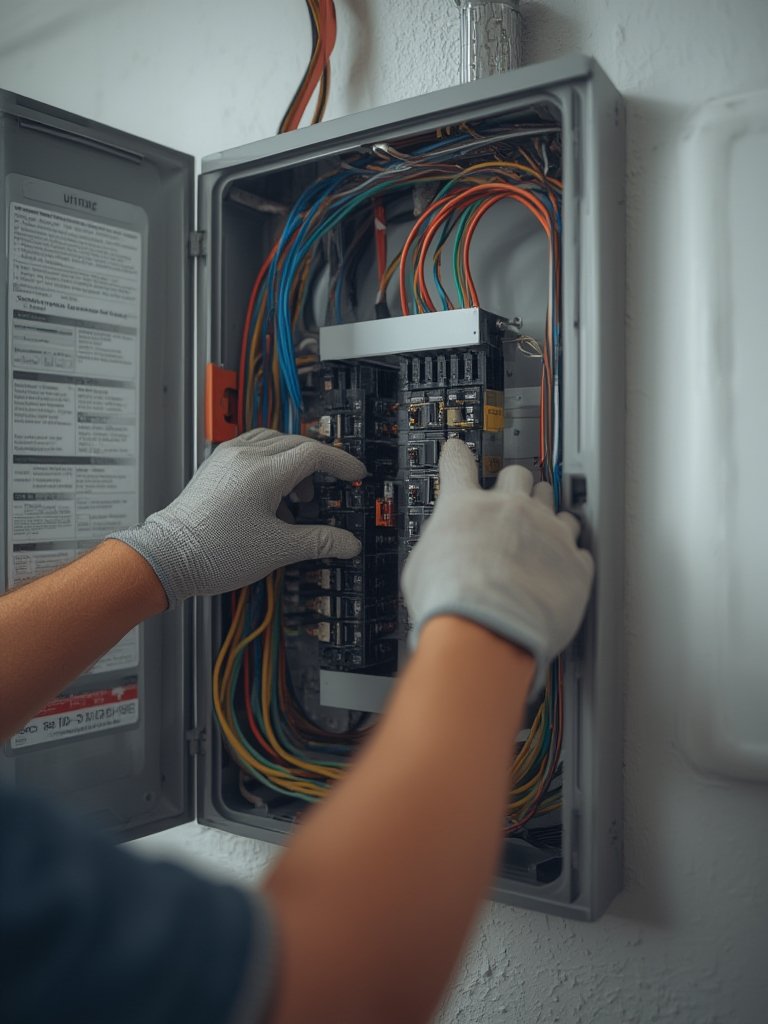
- Panel replacement day: Power is shut off; old panel, grounds, and sometimes meter equipment are replaced. Allow 4–10 hours (typically one day), longer for panel relocation or if rewiring is needed.
- Code and surge upgrades: NEC 2020 now mandates AFCI/GFCI breakers for many circuits, adding $130–$180 per breaker or $800–$1,600 for a full panel (see details). This is non-negotiable for most final inspections.
- Final inspection and documentation: Inspector reviews panel, grounding, labels, and code compliance before restoring service. Save your permit paperwork—insurance companies may request it.
Cost Table: 200-Amp Electric Panel Upgrade Components
| Cost Component | Price Range | Details |
|---|---|---|
| Panel hardware | $300–$800 | Square D, Eaton, Schneider (source) |
| Electrician labor | $1,500–$3,500 | Main cost driver; urban vs rural rates differ 20–40% |
| Permits & inspections | $50–$500 | Depends on location—check state guide |
| Materials/breakers | $200–$600 | Standard breakers included |
| AFCI/GFCI upgrade | $800–$1,600 | Whole-panel, per NEC 2020 |
| Optional rewiring | $1,000–$3,000+ | Only needed for outdated/incompatible wire |
Advanced Analysis & Common Pitfalls
Breaker box replacements aren’t always simple. Homeowners often underestimate cost and complexity, especially in older homes or tightly regulated cities. Key pitfalls you’re likely to encounter:
- Panel relocation: If you need to move the panel (often in older houses), expect additional labor and patching costs—they can be significant.
- Code violations: Discovery of noncompliant wiring or grounds during the upgrade almost always requires corrections, driving up price and timeline.
- Permit delays in urban/multifamily settings: Limited access, strict fire ordinances, and labor availability can stall simple upgrades for weeks.
- Underestimating cost for underground service: In some regions like the Bay Area, underground electric service modifications can soar past $18,000 compared to $5,500 for overhead setups (see pricing here).
- Insurance troubles if permits are skipped: Upgrades without permits often void your homeowners policy—don’t risk it.
Comparison Table: Electric Panel Upgrade Costs by Region (200-Amp Upgrade, 2024)
| Region | 200-Amp Upgrade Cost | Notes |
|---|---|---|
| Orange County, CA | $5,000–$6,000 | Urban, high labor rates |
| Bay Area, CA | $2,500–$4,000 | Underground: $18,500+ |
| North Jersey (NYC Metro) | $2,400–$4,200 | 20–40% higher rates vs. elsewhere |
| South Jersey | $1,700–$3,000 | Lower rates, but travel fees possible |
| National Average | $3,500–$4,500 | Most common range (source) |
For a detailed look at costs and common complications in your state, see our state-by-state cost breakdown or visit our upgrade checklist page.
What’s Almost Never Talked About?
- Energy savings: Most upgrades reduce electricity losses, but far more importantly, they prevent costly damage to sensitive gear. Long-term ROI is not instant—but fire risk reduction and demand flexibility can be invaluable.
- Insurance & policy impact: Insurers increasingly require proof of code-compliant panels for claims approval. Always archive your permit/invoice.
- Solar and EV readiness: Upgrading now—even if you don’t have electric vehicles or solar—lets you avoid expensive repeat work and keeps your home marketable.
Conclusion
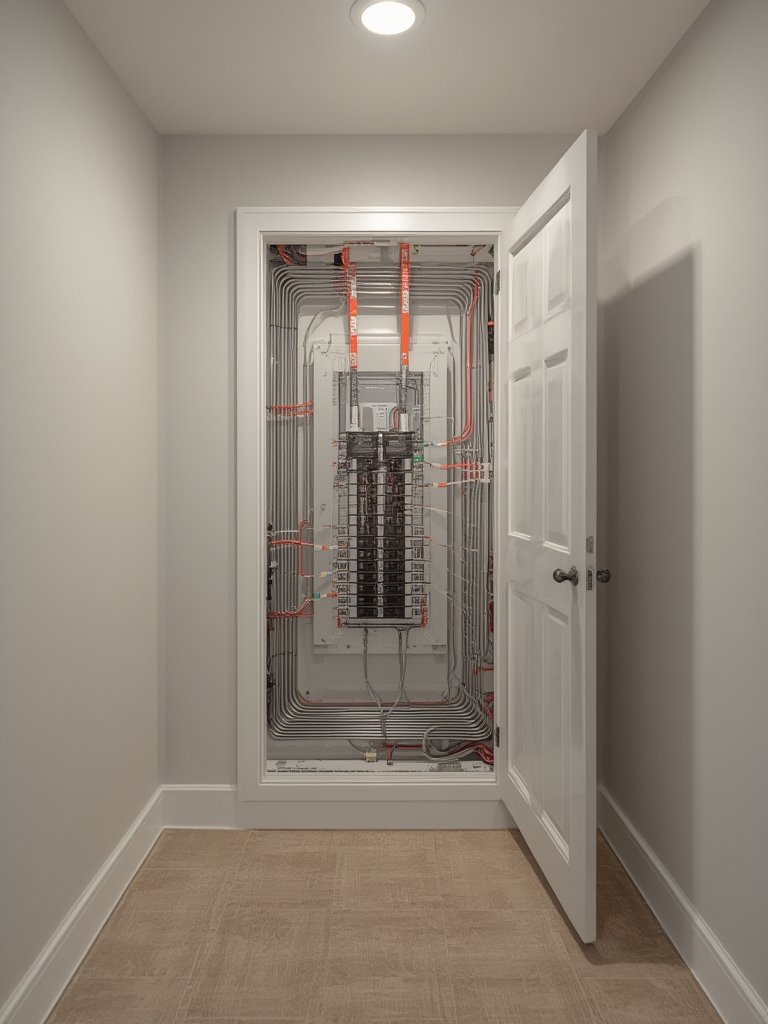
Upgrading your electric panel is a vital investment for safety, code compliance, and future-proofing. Costs vary by region, service size, and complications, but underestimating the job almost always leads to regrets. Whether you’re planning a DIY project or a full-service contractor job, make sure your electric panel upgrade meets today’s standards—and tomorrow’s needs. Ready to start? Contact us for a customized quote or advice.
FAQ
How much does an electric panel upgrade cost in 2024?
The national average for a 200-amp electric panel upgrade is $3,500–$4,500, but can reach $6,000+ in cities like Orange County, CA. Underground service, complex permits, or panel relocation may increase the price. Full cost breakdown.
Is a permit required for a panel upgrade?
Yes, a municipal permit and inspection are always required—nationwide. Skipping this step can void insurance and create resale headaches. See our permit guide.
What are the most common problems during breaker box replacement?
Hidden wiring/code issues, challenges with relocating panels, delays in urban permitting, higher labor costs, or required upgrades to surge and code and surge upgrades. Read more.
Can I upgrade my own electrical panel?
No—electrical panel upgrades require licensed contractors by law. DIY work is illegal in most cities and risks fire, serious injury, and disqualification of homeowner’s insurance.
How does a panel upgrade affect my ability to install solar or EV chargers?
Most solar PV and EV charging systems need 200 amps or more. Installing a “solar-ready” or “EV-ready” panel now ensures you won’t need another upgrade—and more permits—in the near future. Check our solar integration guide for details.