
hurricane impact windows are reshaping how homeowners protect their property in storm-prone coastal regions, providing a true barrier against wind, debris, and high insurance costs. If you’re deciding whether upgrading makes sense, or want to know if the hype is justified, here’s a no-nonsense look at everything you need to know including costs, steps, real challenges, and what competitors won’t tell you.
Key Takeaways
- Hurricane impact windows average $700–$2,500 per window installed in areas like Florida, with total costs highly dependent on size, materials, and labor.
- Real insurance premium discounts and wind mitigation steps are often unclear—document upgrades carefully for best chance at savings.
- Aluminum frames outlast vinyl and can offer better long-term ROI, but few sources break down the numbers or lifespan comparisons.
- What Are Hurricane Impact Windows and Why Upgrade?
- How to Upgrade: Step-by-Step Guide
- Advanced Analysis & Common Pitfalls
- Conclusion
- FAQs
What Are Hurricane Impact Windows and Why Upgrade?
Hurricane impact windows are reinforced, shatter-resistant glass systems designed to protect your home from severe storm damage. They include impact-rated laminated glass and robust frames (usually aluminum or vinyl) that withstand debris strikes and extreme wind pressure. Upgrading goes far beyond typical glass—these windows change how your property weathers hurricanes, reduces break-ins, and can even impact your insurance eligibility.

For coastal homeowners, especially in regions like South Florida and Miami, impact windows have gone from a luxury to a near necessity. Not only do they help defend your investment against catastrophic windborne debris, but many insurers now require them before offering wind mitigation coverage. They also increase resale value and curb appeal, making them one of the most multi-layered upgrades for storm zones.
Looking for other ways to protect your home from the elements? Check out this guide on flood barriers for homes to discover practical solutions against water damage.
How to Upgrade: Step-by-Step Guide
Installing hurricane impact windows is a big step. Done right, it adds long-lasting value and safety. Here’s a direct, actionable process for homeowners seeking solid results:
- Assess Your Needs: Count all windows and doors requiring upgrades, including large or oddly shaped ones. Gather accurate measurements.
- Research Regional Pricing:
- Florida/Miami: Expect $1,200–$1,600 per window, especially for larger units or openings requiring stucco repair or new bucks.
- National average: Closer to $950 per window, but factors like labor, material, and local code drive final costs. Use local cost guides for a targeted estimate.
- Choose the Right Frame Material:
- Aluminum: Costs $190–$230 per sq ft but lasts at least twice as long as vinyl. Best for long-term ROI in harsh climates.
- Vinyl: $60–$175 per sq ft. Lower cost upfront, moderate durability, and fair insulation.
For more on material choices that influence home comfort, see how natural materials shape kitchen design.
- Get Multiple Quotes and Confirm Permits: Always request bids from at least three licensed window companies. Confirm all estimates include permits, which can add substantial hidden costs in coastal zones.
- Plan for Installation and Structural Modifications: Installers may need to add wood bucks or repair stucco, especially in older homes. Allow for 30–50% overhead on material costs for labor and site prep.
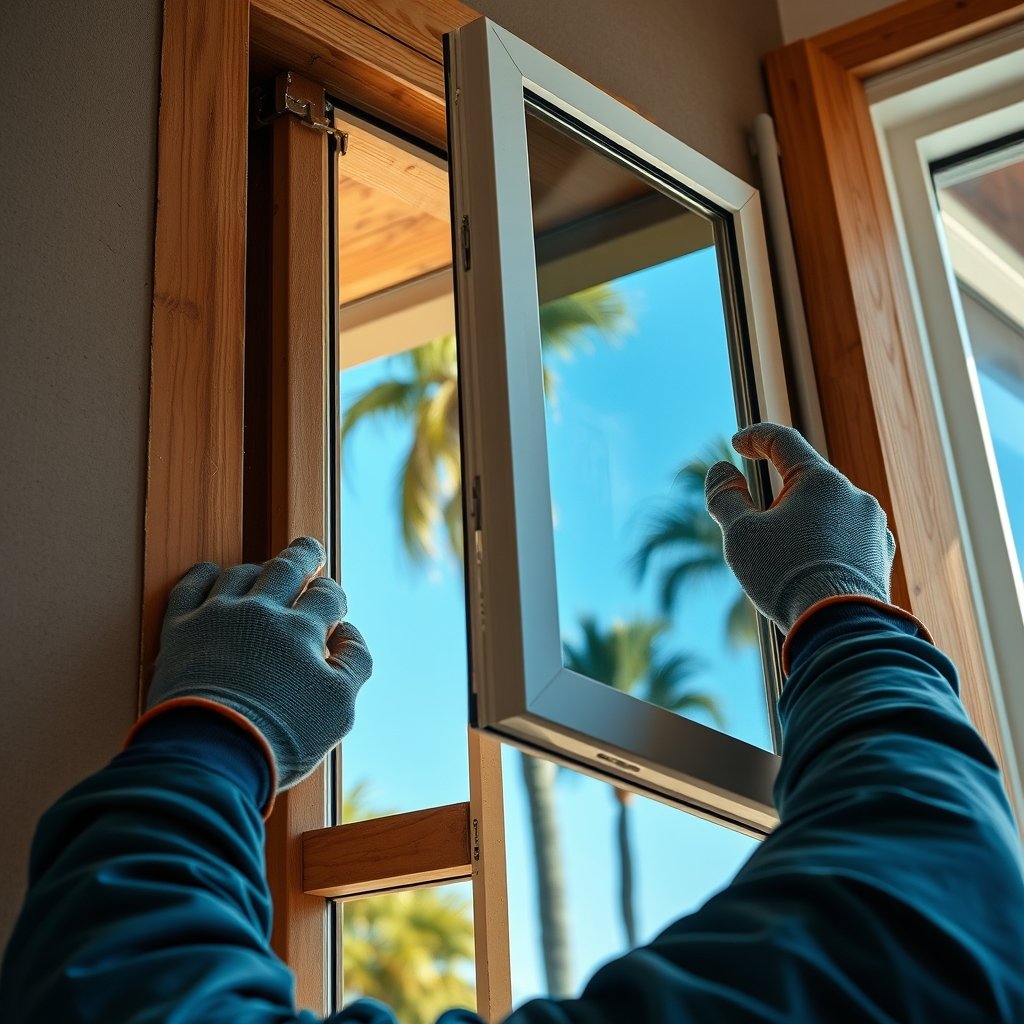
- Document the Upgrade for Insurance and Resale: Have your installer provide detailed invoices, manufacturer specs, and code compliance documentation. Even though wind mitigation discount info is sparse, proper documentation is your only shot at possible insurance reductions or smoother resale negotiations later. Learn more about smart home upgrades and documentation in our EV charger installation at home.
- Inspect and Troubleshoot: Double-check for proper caulking, smooth operation, and no visible cracks or condensation. If you spot anything off, have it addressed immediately before signoff.
Looking for further property resilience options? See our primer on whole home battery backup to maintain power during outages.
Advanced Analysis & Common Pitfalls
Despite the significant benefits of hurricane impact windows, homeowners regularly run into overlooked costs, installation setbacks, and confusion around insurance discounts. Here’s a realistic look at what to watch for:
| Window Size (inches) | Average Installed Cost | Notes |
|---|---|---|
| 24×30/36 | $275–$440 | Entry size, usually casement or single-hung |
| 36×36 | $910–$975 | Most popular retrofit size |
| 36×72 | $1,600–$1,690 | Large window, higher labor/modification |
| 72×80 to 144×96 | $3,750–$10,000 | Sliders or patio doors; high-end |
Source: Angi guide and HomeAdvisor
- Hidden Permit and Labor Variances: In Florida, permit and labor fees can swing by several thousand dollars depending on city or county. Most national averages gloss over this, so always clarify add-on costs up front.
- Material ROI Confusion: There’s lots of noise about aluminum vs. vinyl. Aluminum costs more but typically lasts 2–3 times longer, which is rarely factored into quoted “averages.” If you plan to keep your home a decade or longer, pay for the upgrade.
- Insurance Discounts Are Murky: Most sources and even insurance agents are vague about exact premium reductions for installing hurricane impact windows. Best bet: Document every upgrade, schedule a professional wind mitigation inspection, and request a formal premium review post-installation. For other ways to save, see how flood prevention stacks up in this flood barriers guide.
- No Reliable Consumer Reviews: Buyers report little data on actual noise reduction, condensation, or long-term durability problems. For now, stick to major brands like PGT and CGI cited in Florida retrofits, but be aware that review transparency is lacking.
- Partial Upgrades May Impact Insurance: Insurers might require all windows upgraded before granting credits. There’s little transparency on how partial installations affect your coverage or premium reductions.

Conclusion
For storm-prone homeowners, upgrading to hurricane impact windows is one of the most reliable ways to protect people, property, and investment. Expect to spend $700–$2,500 per window installed in areas like Florida, with added benefits in safety and possibly insurance. There are real pitfalls—murky discounts, hidden labor, and less-than-complete data on exact durability or user problems—but working with experienced pros and maintaining documentation maximizes your benefits. When it comes to defending your home and family, hurricane impact windows deliver authentic peace of mind.
Ready to start your upgrade? Get multiple quotes, demand written documentation, and select materials that suit your long-term plans. If you’re considering a full home refresh, check out space-maximizing ideas like our practical tips for wet room bathrooms, or see what else improves property value in unpredictable climates.
FAQs
How much do hurricane impact windows cost in 2024?
The average cost per window ranges from $700 to $2,500 in high-demand areas like Florida, though simple, smaller windows can go as low as $275 and large custom sliders can reach $10,000 each. Costs vary by size, frame type, and regional labor. Sources: Hurricane Window.
Are hurricane impact windows worth the investment?
If you’re in a coastal storm zone, they provide critical protection, potential resale value, and may qualify for insurance credits. They also deter break-ins, like other security upgrades. Aluminum frames are best for long-term ROI in harsh environments.
Do hurricane impact windows reduce insurance premiums?
Possibly—but there’s no clear or consistent answer. Premium reductions require full documentation of both the product and installation, plus a wind mitigation inspection. Actual discounts depend on the insurer and state, and most sources note there’s little transparency here.
What’s better for impact windows: aluminum or vinyl frames?
Aluminum frames cost more upfront but offer 2–3 times the lifespan of vinyl (and better performance in harsh climates). Vinyl is cheaper, which suits short-term budgets or milder regions.
Can I replace just some windows, or do all need to be upgraded?
Partial upgrades improve safety room by room, but many insurance programs and building codes require every window to meet impact standards for wind mitigation credits or full coverage eligibility. Always clarify with your local agent and installer.