
Spray foam insulation attic upgrades are one of the most effective ways to slash energy bills and prevent costly heat loss in homes—yet many homeowners are still on the fence about whether this solution is worth the investment for their attic. In this guide, we will break down exactly what you can expect, how to do it right, and what to watch out for in 2024 to maximize home comfort and savings.
Key Takeaways
- Spray foam insulation in attics can reduce energy bills between 20 and 50%, outperforming fiberglass and cellulose, with payback in as little as 32 months.
- Open cell and closed cell spray foam vary in R-value, moisture control, and installed costs. Selecting the right type for your attic’s conditions is crucial for success.
- Upfront costs are higher than standard insulation but tax credits and long-term savings make spray foam a smart investment for energy-conscious homeowners.
- What Is Spray Foam Insulation for Attics and Why Does It Matter?
- How to Install Spray Foam Insulation in an Attic: Step by Step
- Advanced Analysis & Common Pitfalls
- Conclusion
- FAQ
What Is Spray Foam Insulation for Attics and Why Does It Matter?
Spray foam insulation attic upgrades involve applying a polyurethane foam directly to attic surfaces. The foam expands to fill cracks, gaps, and voids, creating a continuous air and moisture barrier. Compared to traditional insulation such as fiberglass or cellulose, spray foam dramatically reduces heat transfer and air leakage, which are the main causes of energy loss in attics.

Industry data from 2024 highlights that attics account for about 50% of a home’s energy efficiency. Applying spray foam insulation in an attic can lead to as much as a 50% reduction in energy bills compared to pre-insulation levels, with payback periods averaging just over two and a half years [source]. Not only does this retrofit outperform traditional methods, but the material also remains effective over time, offering consistent benefits year-round.
Many homeowners research hybrid solutions—such as combining attic air sealing and strategic spray foam placement with blown-in fiberglass—for cost efficiency. You can read more about hybrid attic insulation options and detailed breakdowns of effectiveness on our site.
The ins and outs of R-values (thermal resistance), moisture management, and the differences between open-cell and closed-cell spray foam types can be confusing. Read our deep-dive comparison of spray foam insulation vs fiberglass for side-by-side performance insights.
How to Install Spray Foam Insulation in an Attic: Step by Step
Upgrading your attic with spray foam insulation isn’t a casual DIY job. It’s possible to prep the space yourself, but proper execution—and long-term performance—depends on professional expertise. Here’s a breakdown of the most effective installation process:
- Assessment and Preparation: Begin with a full attic inspection. Look for mold, leaks, or damaged structures. Seal roof leaks, fix broken vents, and clean debris. Clear the attic of stored items for unobstructed access.
- Seal and Protect: Professionals will mask off non-insulated areas, protect HVAC venting and electrical fixtures, and use temporary barriers to confine the spray foam to desired surfaces.
- Address Air Leaks: Specialized tests like a blower door evaluation reveal where conditioned air escapes. These areas should be marked for extra attention.
- Select the Right Spray Foam: Choose between open-cell and closed-cell spray foam based on your attic’s needs (see table in Advanced Analysis below or our open vs closed cell spray foam guide).
- Application: Licensed installers mix and spray the foam, layer by layer. The foam expands to fill cavities and form a seamless barrier.
- Curing and Inspection: Allow proper curing time (typically 24–48 hours). Afterward, inspect for missed spots or gaps. Reapply as needed for continuous coverage.
- Finishing Touches: Remove masking, return attic items, and ensure adequate ventilation if required by local code. Some attics may not require new vapor barriers due to the foam’s inherent properties.
- Final Professional Evaluation: A reputable contractor will double-check coverage, thickness, and confirm that key leak points are fully sealed.
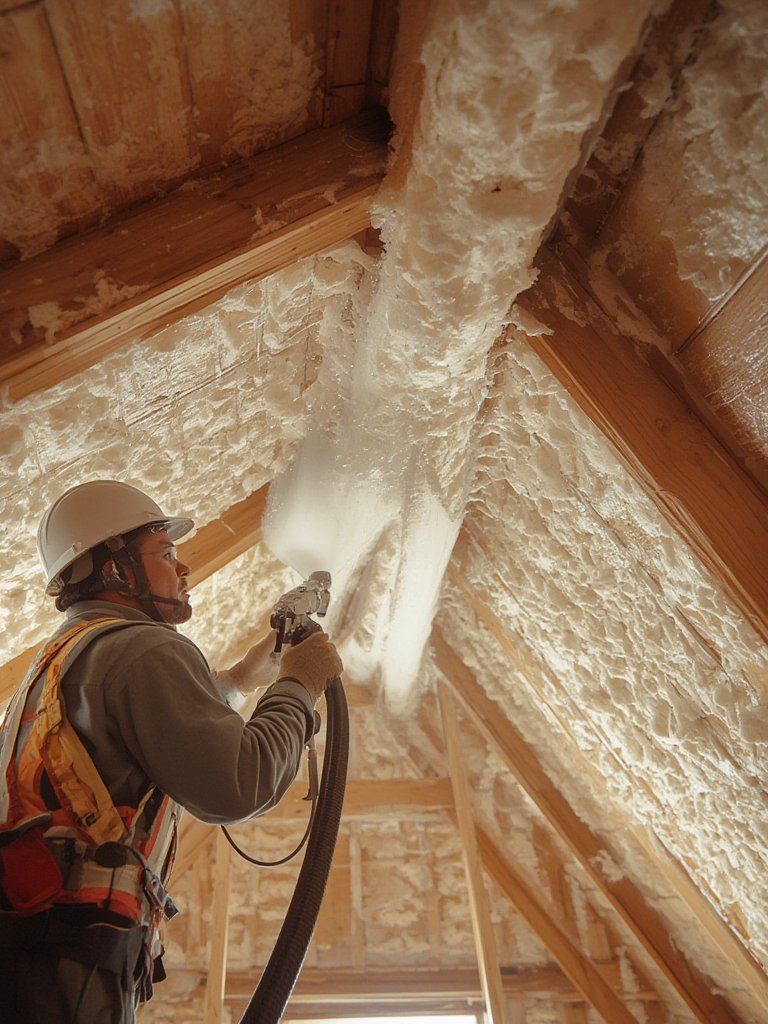
If you’re considering DIY, review our DIY spray foam insulation attic guide for safety precautions, legal considerations, and the risks of improper installation—improperly applied foam can off-gas or fail to seal, undermining your results.
Explore frequently updated tips and home energy upgrades on our attic insulation blog to keep your project on track.
Advanced Analysis & Common Pitfalls
Attic spray foam insulation is transformative, but common mistakes can cost homeowners significantly. Here’s what to look out for, using current industry evidence.
| Attribute | Open-Cell Spray Foam | Closed-Cell Spray Foam | Fiberglass/Cellulose |
|---|---|---|---|
| R-value per inch | R-3.5 to R-4* | R-6 to R-7* | R-2.2 to R-2.7 |
| Moisture Control | Vapor permeable, reduces trapped moisture | High density, excellent moisture resistance | Can absorb moisture, potential for mold/mildew |
| Longevity | Durable, but less rigid | Very durable, adds structural strength | Can settle/compress over time |
| Installed Cost (Attic, Typical) | Not specified | $5,000 – $6,000 (entire attic)* | Lower upfront, but less savings (see here) |
| Energy Savings | 20–50% possible | 20–50% possible | Lower (<20% typ.) |
*See full sources: R-value and Benefits, Cost & Savings Data
Common Pitfalls to Avoid
- Upfront Sticker Shock: Spray foam insulation costs more upfront than traditional materials, but generous tax credits now apply—like the 30% federal tax credit (up to $1,200) in 2025.
- Lack of Adequate Assessment: Failing to conduct a blower door test or properly seal air leaks before spraying can lead to wasted material and missed savings.
- Poor Ventilation or Moisture Traps: Ignoring existing moisture issues or inadequate attic ventilation can accelerate rot or mold, especially in older homes.
- Limited DIY Suitability: Mishandling spray foam can lead to improper curing, lingering odors, or the need for costly professional rework. Always review local code requirements (no major new code changes in 2024, but professional installation is best).
- Expense of Future Repairs: Closed-cell foam is rigid and sometimes difficult to remove if future roof work is needed. Consider this if your roofing is already nearing end of life.
- Misunderstanding Savings: Energy bill reductions vary (20–50%) based on your starting point, climate, and attic structure. Don’t expect uniform monthly savings without a professional audit first.
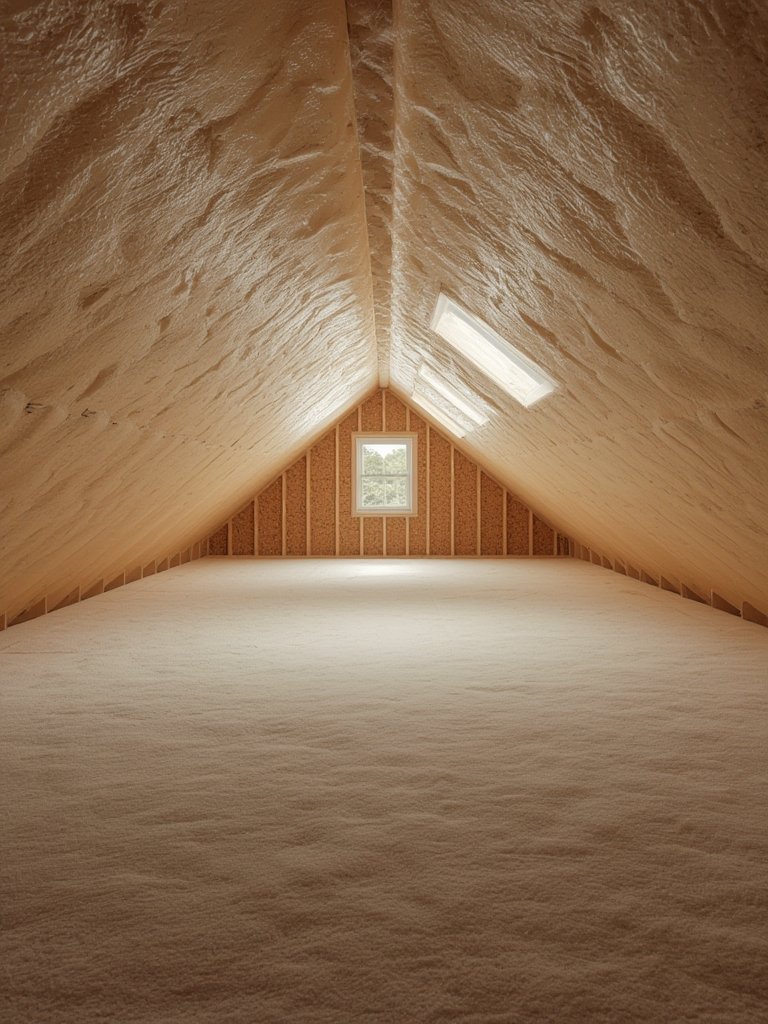
If you want to dive deeper, our resource on spotting insulation failures covers how to spot post-installation problems before they spiral into costly repairs.
Conclusion
Spray foam insulation attic upgrades remain one of the most effective, future-proof ways to drive down home energy use and increase comfort—even with higher upfront costs. The key to success is combining a thorough professional assessment, carefully selecting between open- and closed-cell foam, and prioritizing moisture and air sealing at every step. If you want permanent comfort, lower bills, and fewer surprises, invest in a quality install. Have questions? Reach out for a quote or read our expert attic insulation services to get started today.
FAQ
How much can I save on energy bills with spray foam insulation in my attic?
Most homeowners experience energy savings of 20% to 50%, depending on the attic’s starting condition and local climate. Payback is typically 2 to 4 years, after which savings are permanent. Read the full report
Is open cell or closed cell spray foam better for my attic?
Closed cell offers higher R-value, better moisture protection, and more structural strength—making it ideal for harsh or humid climates. Open cell “breathes” better, is lighter, and is suited for less extreme environments. Consult a pro to match product with your attic’s needs.
What are the main steps before installing spray foam insulation in an attic?
Key steps include a blower door test/assessment, sealing any existing leaks or water problems, removing debris or storage, and ensuring safe access. Skipping these leads to subpar performance and possible future repairs.
Are there any health or odor complaints with spray foam insulation?
When installed professionally and allowed to cure fully, spray foam is safe for residential use and shouldn’t have long-term odor or off-gassing. Problems can occur with rushed or improper DIY methods. Always use a certified contractor for best results.
Does spray foam insulation attic installation require code updates in 2024?
No major new codes or safety guidelines have been introduced for 2024. Standard best practices—professional installation, local ventilation needs, and moisture management—still apply.